Item #1

Banner Title

Lorem Ipsum is simply dumy text of the printing typesetting industry lorem ipsum.

Edit Template

Tumours of Small Intestine

Expert Treatment for Small Intestine Tumours by Dr. Nishant Kurian

Tumours of the small intestine are relatively uncommon compared to cancers of the stomach or colon, but they can significantly affect digestion, nutrition, and overall health. Early diagnosis and timely surgical intervention are essential for achieving the best outcomes.

Dr. Nishant Kurian is an experienced gastrointestinal and laparoscopic surgeon specializing in the diagnosis and management of benign and malignant small bowel tumours. With expertise in advanced minimally invasive gastrointestinal surgery, he offers comprehensive Small intestine tumor treatment using the latest surgical techniques, including Laparoscopic small intestine resection and Laparoscopic resection and anastomosis.

Patients seeking expert care for intestinal tumours can benefit from individualized treatment plans focused on tumour removal, faster recovery, and improved long-term outcomes.
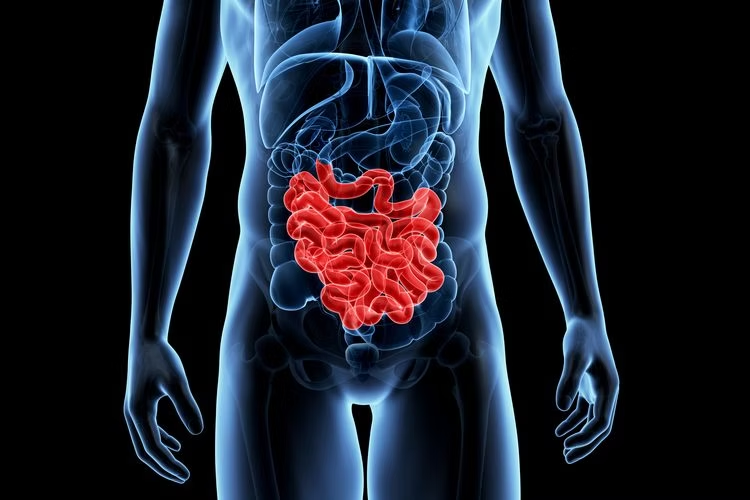
What Are Small Intestine Tumours?

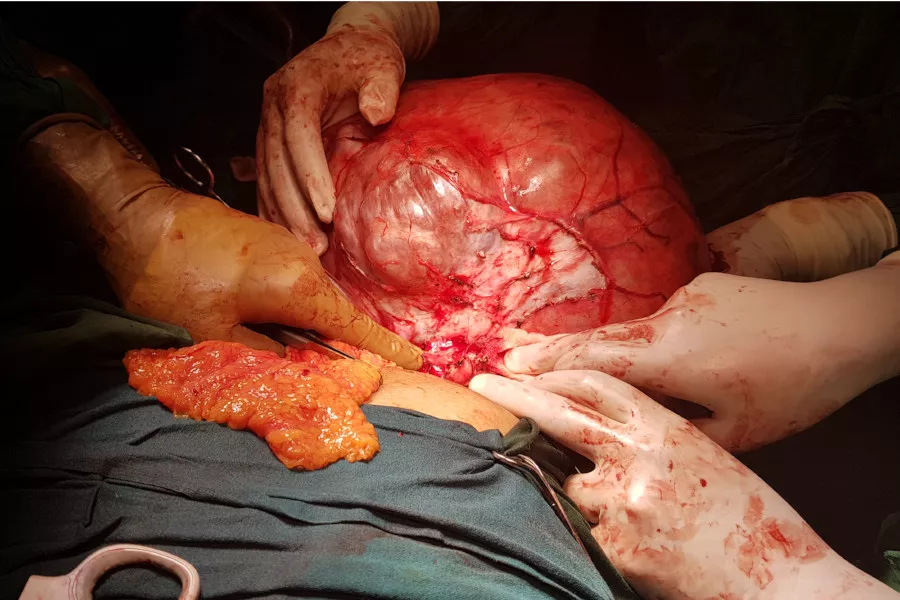
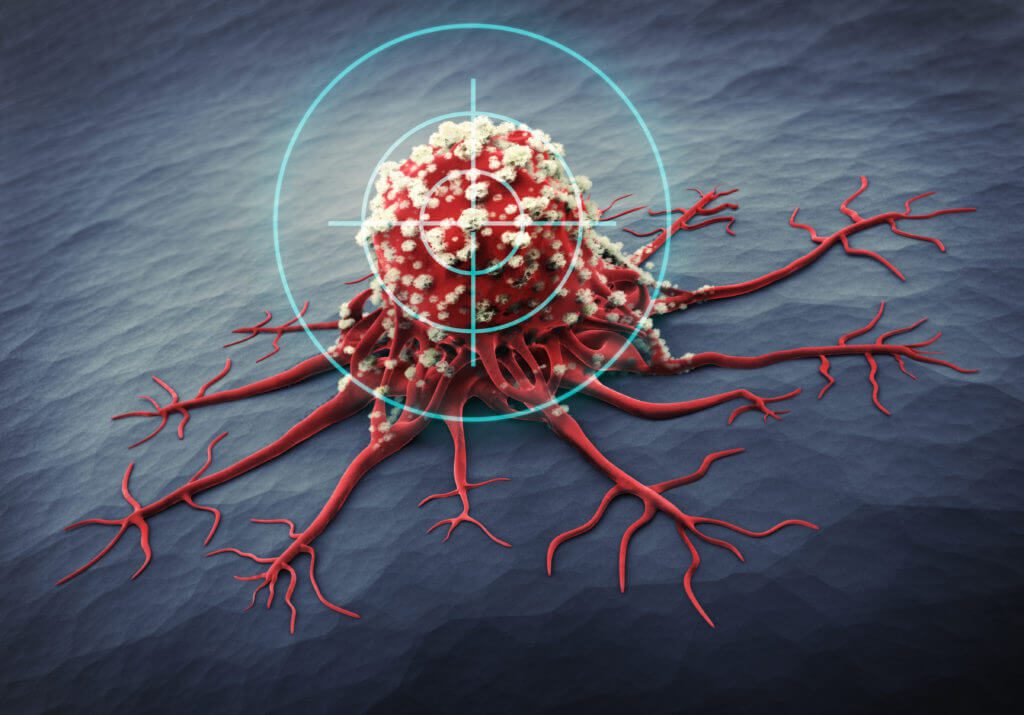
Small intestine tumours are abnormal growths that develop in the small bowel, which consists of the duodenum, jejunum, and ileum.

These tumours may be:
  1. Benign (non-cancerous)
  2. Malignant (cancerous)
Common types include:
  • Adenocarcinoma: A malignant tumour arising from the glandular lining of the small intestine, most commonly affecting the duodenum and capable of causing obstruction or bleeding.
  • Gastrointestinal Stromal Tumours (GIST): A rare tumour originating from the specialized connective tissue cells of the intestinal wall
  • Neuroendocrine Tumours (NET): Slow-growing tumours that develop from hormone-producing neuroendocrine cells within the small intestine and may secrete substances that cause characteristic symptoms.
  • Lymphoma: A cancer of the lymphatic system that can involve the small intestine, leading to abdominal pain, weight loss, bowel obstruction, or gastrointestinal bleeding.
  • Metastatic lesions: Secondary tumours that spread to the small intestine from cancers originating elsewhere in the body, such as the colon, stomach, pancreas, lung, breast, or melanoma.

While benign tumours may remain asymptomatic for years, malignant tumours can grow, spread to nearby organs, and cause serious complications if left untreated. Prompt evaluation by a Small bowel surgery specialist is important whenever symptoms suggest an underlying intestinal tumour.

What Causes Small Intestine Tumours?

The exact cause is not always known. However, several factors can increase the risk of developing small bowel tumours:

  • Genetic Conditions (certain disorders that you are born with)
  • A person’s age (Average age during the diagnosis is 60)
  • The gender (Men have a high chance)
  • Chronic Intestinal Disorders:
    1. Crohn’s disease
    2. Celiac disease
  • Lifestyle Factors:
    1. Smoking
    2. Excessive alcohol consumption
    3. Diets rich in processed foods
  • Family History: Individuals with a family history of gastrointestinal cancers may have a higher risk of developing small intestine tumours.

Symptoms of Small Intestine Tumours

Symptoms are often vague in the early stages, which can delay diagnosis. Common warning signs include:

  • Persistent Abdominal Pain: Chronic or recurrent abdominal discomfort is one of the most frequent symptoms.
  • Unexplained Weight Loss: Progressive weight loss without dieting may indicate an underlying malignancy.
  • Gastrointestinal Bleeding: Patients may notice:
    1. Black stools
    2. Occult blood in stool
    3. Iron deficiency anaemia
  • Nausea and Vomiting: Large tumours may obstruct the intestine and interfere with food passage.
  • Intestinal Obstruction: Symptoms may include:
    1. Severe abdominal distension
    2. Constipation
    3. Inability to pass stool or gas
  • Fatigue and Weakness: Often caused by chronic blood loss and anaemia.

If any of these symptoms persist, consultation with an Experienced small bowel cancer surgeon is recommended.

How Are Small Intestine Tumours Diagnosed?

Accurate diagnosis helps determine the type, location, and stage of the tumour.

  • Clinical Evaluation: A detailed medical history and physical examination help identify symptoms and risk factors.
  • Blood Tests: Useful for detecting Anaemia, Nutritional deficiencies, Tumour markers in selected cases
  • Contrast-Enhanced CT Scan: Provides detailed information about tumour size, location and spread to surrounding structures.
  • MRI Scan: Particularly useful for evaluating soft tissue involvement and metastatic disease.
  • Capsule Endoscopy: A swallowable camera captures images throughout the small intestine and helps detect hidden lesions.
  • Enteroscopy: Allows direct visualization and biopsy of suspicious growths.
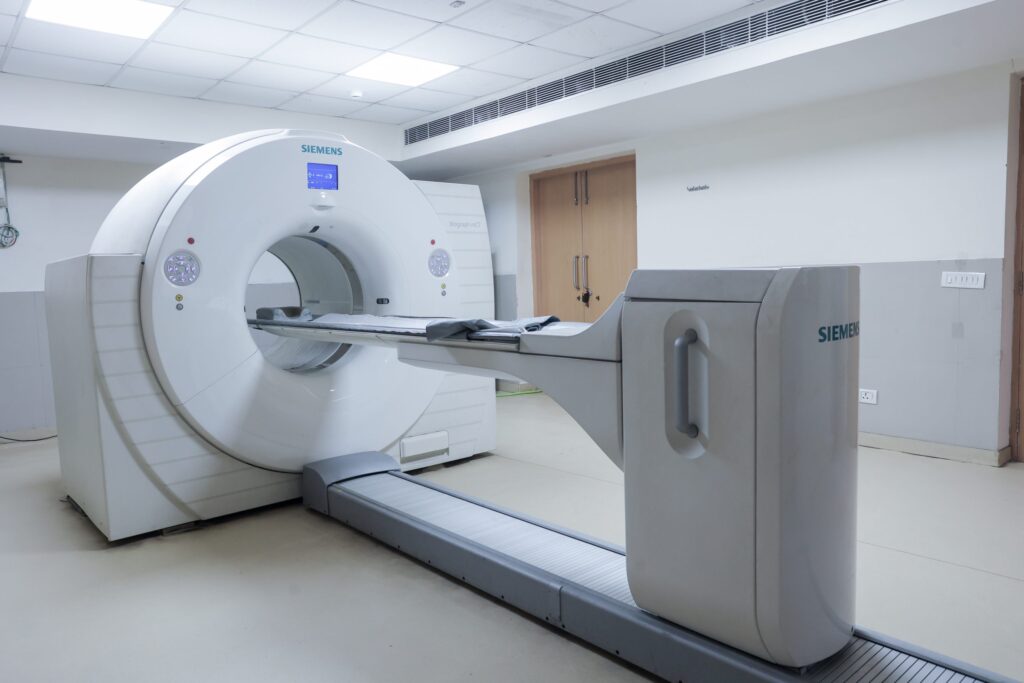
  • PET-CT Scan: Used in selected patients to assess cancer spread and treatment planning.

Treatment of Small Intestine Tumours

The choice of treatment depends on:
  • Tumour type
  • Tumour location
  • Stage of disease
  • Overall patient health

Surgery remains the cornerstone of treatment for most localized small bowel tumours.

Laparoscopic Small Intestine Resection

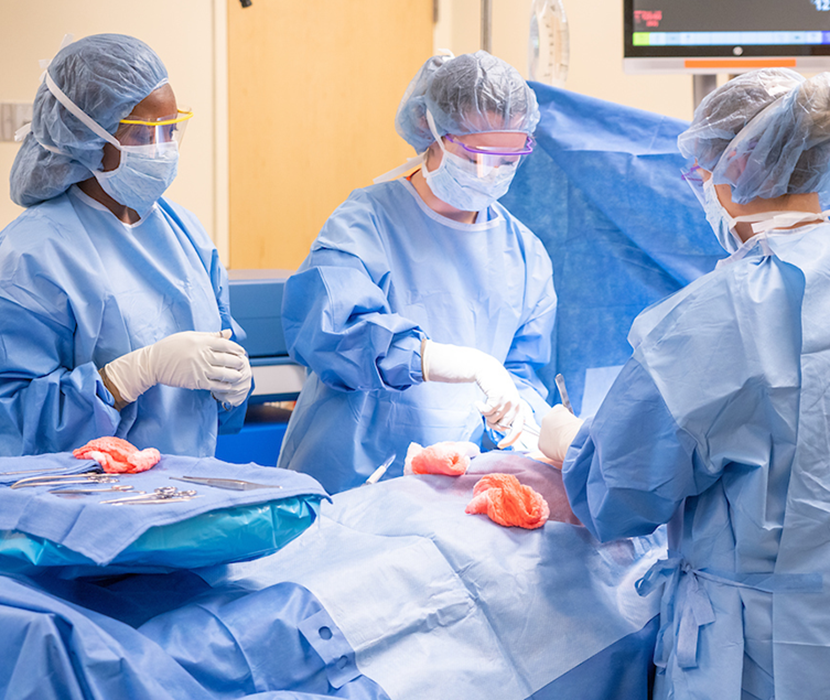
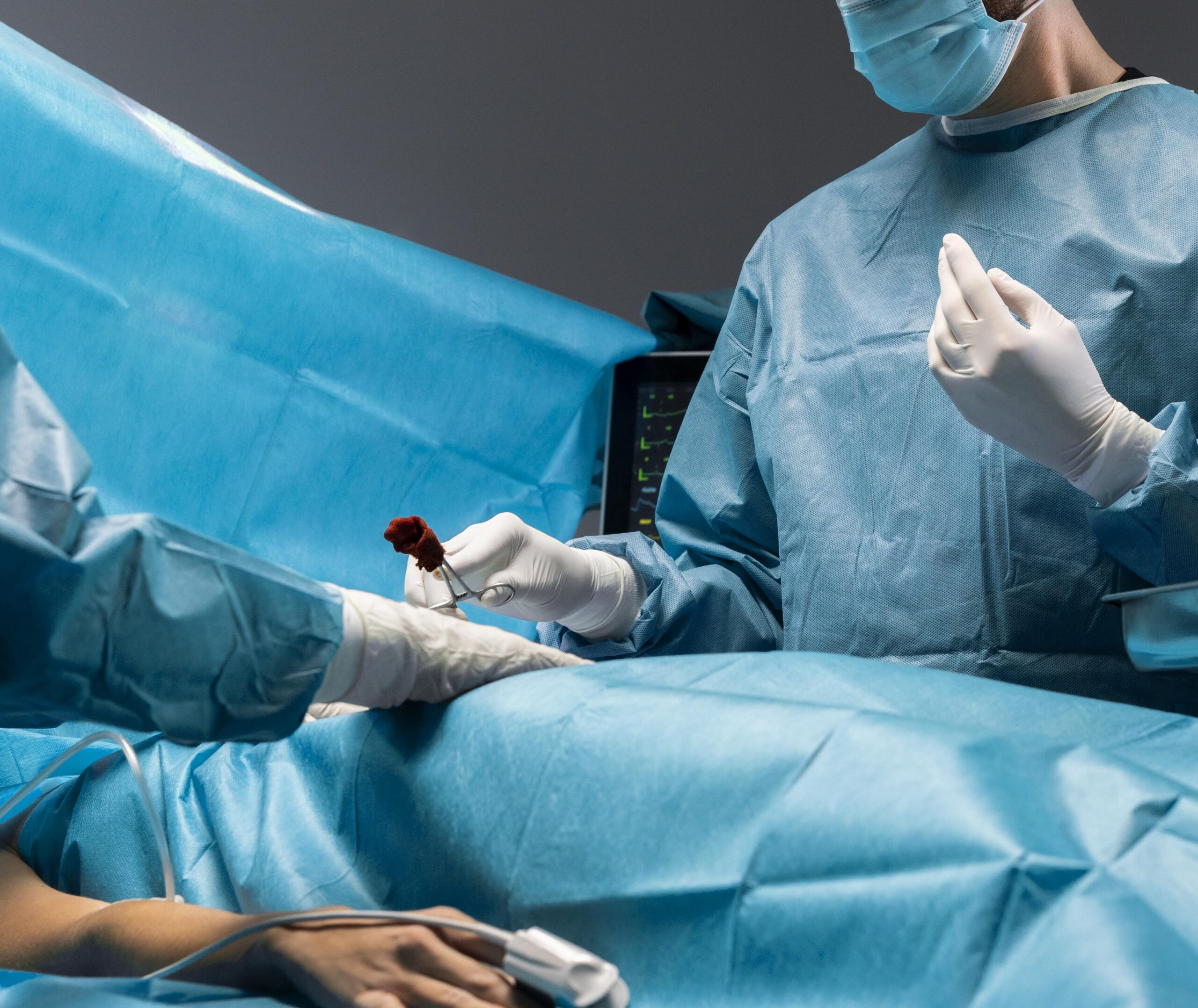
One of the most advanced treatment options available today is Laparoscopic small intestine resection. This minimally invasive procedure involves removing the diseased segment of the intestine through small keyhole incisions rather than a large abdominal cut.

Benefits include:
  • Less postoperative pain
  • Reduced blood loss
  • Smaller scars
  • Lower risk of wound complications
  • Faster recovery
  • Earlier return to normal activities

For many patients, minimally invasive small bowel surgery provides excellent outcomes while significantly improving postoperative comfort.

Laparoscopic Resection and Anastomosis

A key surgical technique performed by Dr. Nishant Kurian is Laparoscopic resection and anastomosis.

In this procedure:
  • The tumour-bearing segment of the small intestine is carefully removed.
  • The healthy ends of the bowel are then reconnected (anastomosed).
  • Normal intestinal continuity and digestive function are restored.
This approach is commonly used for:
  • Small bowel cancers
  • Gastrointestinal stromal tumours
  • Benign obstructing lesions
  • Selected neuroendocrine tumours

Open Intestinal Tumour Surgery

In some complex cases involving:
  • Large tumours
  • Extensive local invasion
  • Multiple previous surgeries

An open surgical approach may be necessary to achieve complete tumour removal.

Chemotherapy

Chemotherapy may be recommended:
  • After surgery
  • For advanced cancers
  • For metastatic disease

Treatment plans are tailored according to tumour pathology and stage.

Targeted Therapy

Certain tumour types, particularly GISTs, may respond well to targeted medications designed to block tumour growth pathways.

Multidisciplinary Cancer Care

Optimal outcomes often require collaboration between:
  • Surgical gastroenterologists
  • Medical oncologists
  • Radiologists
  • Pathologists
  • Nutrition specialists

This comprehensive approach ensures the best possible small intestine cancer treatment for every patient.

Recovery After Small Intestine Tumour Surgery

Recovery depends on the extent of surgery and the patient’s overall condition.

Most patients undergoing Minimally invasive bowel surgery experience:
  • Shorter hospital stay
  • Earlier mobilization
  • Faster return of bowel function
  • Reduced postoperative discomfort

Patients are encouraged to gradually resume physical activity and follow dietary recommendations provided by their healthcare team.

Why Choose Dr. Nishant Kurian for Small Intestine Tumour Surgery?

Dr. Nishant Kurian is recognized for his expertise in advanced gastrointestinal and minimally invasive surgery. He has extensive experience managing complex intestinal diseases and gastrointestinal cancers, including advanced laparoscopic procedures for small bowel tumours.

Patients seeking:
  • Small bowel tumor surgery
  • Intestinal tumor removal surgery
  • Small intestine tumor surgery
  • Minimally invasive bowel surgery specialist
  • GI cancer surgeon for intestinal tumors in Delhi
  • Top laparoscopic bowel surgeon India
  • Intestinal tumor removal surgeon
  • Advanced GI oncology surgeon India
  • Expert doctor for bowel resection surgery

can benefit from evidence-based treatment combined with personalized surgical care.

Frequently Asked Questions

1

Are all small intestine tumours cancerous?

No. Small intestine tumours can be benign or malignant. Proper evaluation is required to determine their nature.

2

Can small bowel tumours be treated laparoscopically?

Yes. Many patients are suitable candidates for Laparoscopic small intestine resection and Laparoscopic bowel resection surgery, depending on tumour size and location.

3

What is laparoscopic resection and anastomosis?

It is a minimally invasive procedure where the tumour-bearing bowel segment is removed and the healthy ends are reconnected to restore normal intestinal continuity.

4

How long is the recovery after laparoscopic surgery?

Most patients recover faster compared to traditional open surgery and can return to routine activities within a few weeks.

5

When should I consult a specialist?

Persistent abdominal pain, unexplained weight loss, anaemia, intestinal bleeding, or bowel obstruction symptoms should be evaluated by a Small bowel surgery specialist as early as possible.

Don’t ignore persistent pain, digestive discomfort, or hernia-related symptoms

Experience advanced laparoscopic, robotic, and gastrointestinal surgical care with Dr. Nishant Kurian, focused on precision treatment, faster recovery, and better patient outcomes.

Book An Appointment

Advanced Onco, GI Laparoscopic and Robotic Surgery in Delhi

PSRI HOSPITAL, SHEIKH SARAI PHASE 2, SAKET, NEW DELHI

drnishantkurian85@gmail.com

+91-9220878969

© 2026 www.drnishantkurian.com


    This will close in 20 seconds

    Schedule Appointment


      This will close in 0 seconds

      Call Now Button