Lorem Ipsum is simply dumy text of the printing typesetting industry lorem ipsum.
Advanced Surgical Management of Intraductal Papillary Mucinous Neoplasm (IPMN) by Dr. Nishant Kurian
An Intraductal Papillary Mucinous Neoplasm (IPMN) is a type of pancreatic cyst that develops within the pancreatic ducts and produces mucus. While some IPMNs remain benign, others have the potential to progress into pancreatic cancer if left untreated. Early diagnosis, regular monitoring, and timely surgical intervention are essential to prevent malignant transformation and ensure the best possible outcomes.
Dr. Nishant Kurian is an experienced HPB surgeon for pancreatic cysts and IPMN treatment surgeon in Delhi, specializing in advanced IPMN treatment, IPMN surgery, IPMN resection surgery, and minimally invasive pancreatic procedures. He offers comprehensive evaluation and personalized treatment plans for patients diagnosed with pancreatic cystic neoplasms, including IPMNs.
An IPMN is a cystic growth that arises from the pancreatic ducts and produces thick mucus. Over time, this mucus can dilate the pancreatic ducts and increase the risk of cancer development.
IPMNs are considered precancerous lesions because some can gradually progress to invasive pancreatic cancer. The risk varies depending on the type, size, location, and characteristics of the cyst.
Timely evaluation by a pancreatic cyst specialist is important to determine whether monitoring or surgery is the most appropriate treatment.
IPMNs are generally classified into three categories:
Develops within the main pancreatic duct and carries the highest risk of cancerous transformation.
Develops within the smaller side branches of the pancreatic duct and generally has a lower cancer risk.
Involves both the main pancreatic duct and branch ducts and often requires more aggressive management.
Identifying the type of IPMN is critical in determining the most effective treatment approach.
The exact cause of IPMN remains unclear, but several factors may increase the likelihood of developing pancreatic cystic lesions.
Many patients diagnosed with IPMN have no obvious symptoms and are identified incidentally during imaging studies.
Many IPMNs do not cause symptoms in their early stages. As the cyst enlarges, symptoms may develop.
Any patient experiencing these symptoms should seek evaluation from an experienced IPMN treatment surgeon in Delhi.
Early intervention helps reduce the risk of progression to pancreatic cancer.
Accurate diagnosis is essential for assessing cancer risk and determining whether surgery is required.
Certain findings may indicate an increased risk of cancer and warrant surgical treatment.
Patients with these findings are often advised to undergo IPMN surgery.
Regular surveillance and timely treatment are essential to prevent these complications.
The best treatment for IPMN pancreas depends on:
The goal of surgery is complete removal of the lesion before malignant transformation occurs.
IPMN resection surgery involves removing the portion of the pancreas containing the abnormal cystic lesion.
Depending on the location of the IPMN, surgery may include:
Performed when the IPMN is located in the body or tail of the pancreas.
Recommended for IPMNs located in the head of the pancreas.
Required in selected patients with extensive disease involving the entire pancreas.
Dr. Nishant Kurian specializes in advanced IPMN pancreatic tumor surgery using modern surgical techniques designed to maximize safety and long-term outcomes.
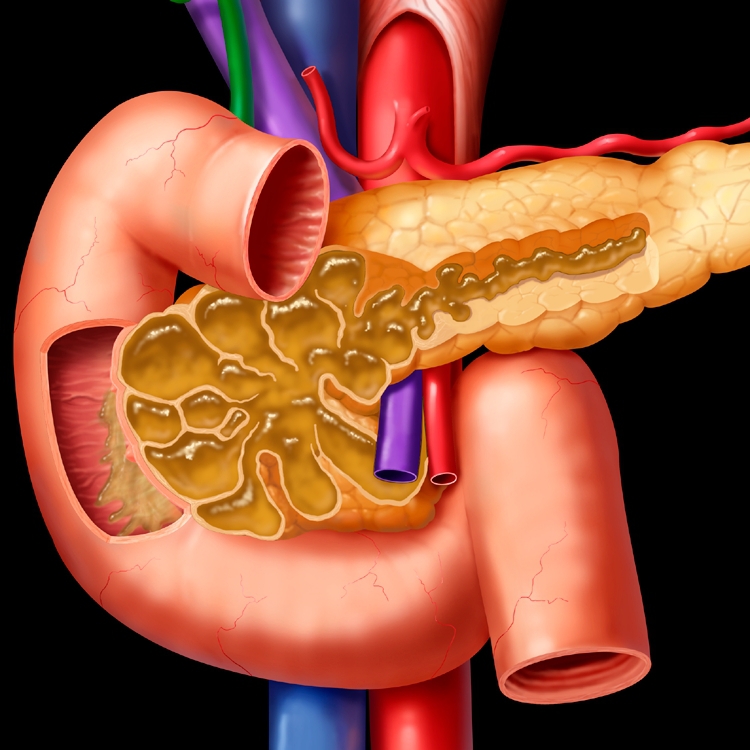
Pancreatic cyst removal surgery IPMN is often performed to eliminate the risk of progression to pancreatic cancer.
For appropriately selected patients, surgery offers definitive treatment and excellent long-term outcomes.
Many IPMN procedures can now be performed using advanced minimally invasive techniques.
As an advanced pancreatic tumor surgeon, Dr. Nishant Kurian utilizes laparoscopic and robotic-assisted approaches whenever clinically appropriate.
Recovery depends on the complexity of the procedure and the patient’s overall health.
Most patients experience a smooth recovery and excellent long-term outcomes following successful IPMN treatment.
Dr. Nishant Kurian is a highly experienced gastrointestinal and hepatopancreatobiliary surgeon specializing in the management of pancreatic cysts and complex pancreatic diseases.
Patients searching for the best IPMN surgeon, expert doctor for IPMN management, or a top pancreatic surgery specialist in India benefit from evidence-based treatment, advanced surgical expertise, and personalized care.
An Intraductal Papillary Mucinous Neoplasm (IPMN) is a pancreatic cyst that develops within the pancreatic ducts and may have the potential to become cancerous over time.
No. Small, low-risk IPMNs may be safely monitored. Surgery is recommended when there are high-risk features or concern for cancer.
The best treatment depends on the cyst's size, location, and cancer risk. Treatment may involve surveillance or surgical removal.
Yes. Some IPMNs are precancerous and may progress to invasive pancreatic cancer if left untreated.
IPMN resection surgery involves removing the affected portion of the pancreas containing the cyst to prevent malignant transformation.
Yes. Many patients are candidates for laparoscopic or robotic-assisted pancreatic surgery, depending on the location and characteristics of the lesion.
IPMN surgery should be performed by an experienced HPB surgeon for pancreatic cysts with expertise in pancreatic tumor surgery and complex pancreatic procedures.
Experience advanced laparoscopic, robotic, and gastrointestinal surgical care with Dr. Nishant Kurian, focused on precision treatment, faster recovery, and better patient outcomes.
© 2026 www.drnishantkurian.com
This will close in 20 seconds
Demo Description
This will close in 0 seconds