Item #1

Banner Title

Lorem Ipsum is simply dumy text of the printing typesetting industry lorem ipsum.

Edit Template

Pancreatic Cyst & Pancreatic Tumor Treatment in Delhi

Advanced Pancreatic Surgery & Minimally Invasive Tumor Removal by Dr. Nishant Kurian

Pancreatic cysts and pancreatic tumors are increasingly being detected due to the widespread use of advanced imaging techniques. While many pancreatic cysts are benign and require monitoring, some cysts and tumors carry a risk of becoming cancerous or may already represent pancreatic cancer. Accurate diagnosis and timely treatment are essential to prevent complications and achieve the best possible outcomes.

Dr. Nishant Kurian is an experienced HPB surgeon for pancreatic surgery and pancreatic tumor surgeon in Delhi, specializing in advanced pancreatic cyst treatment, pancreatic tumor treatment, pancreatic tumor removal surgery, and minimally invasive pancreatic surgery. He offers comprehensive evaluation and personalized treatment plans for both benign and malignant pancreatic lesions.

What Are Pancreatic Cysts and Pancreatic Tumors?

The pancreas can develop a variety of cysts and tumors, some of which are harmless while others may require surgical treatment.

Pancreatic Cysts

Pancreatic cysts are fluid-filled sacs that develop within or on the pancreas. Many cysts are benign, but certain types may carry a risk of progressing to cancer.

Pancreatic Tumors

Pancreatic tumors are abnormal growths that may be benign, pre-cancerous, or malignant. Treatment depends on the type, size, location, and potential cancer risk of the lesion.

Early evaluation by a pancreatic cyst specialist can help determine whether observation, further testing, or surgery is required.

Types of Pancreatic Cysts and Tumors

Common Pancreatic Cysts Include:
  • Serous cystadenoma
  • Mucinous cystic neoplasm (MCN)
  • Intraductal papillary mucinous neoplasm (IPMN)
  • Pseudocysts
  • Solid pseudopapillary tumors
Common Pancreatic Tumors Include:
  • Neuroendocrine tumors (NETs)
  • Benign pancreatic tumors
  • Premalignant pancreatic lesions
  • Pancreatic adenocarcinoma
  • Cystic pancreatic neoplasms

Each condition requires specialized assessment and individualized treatment planning.

What Causes Pancreatic Cysts and Tumors?

The exact causes vary depending on the type of cyst or tumor.

Potential Risk Factors Include:
  • Increasing age
  • Chronic pancreatitis
  • Family history of pancreatic disease
  • Genetic syndromes
  • Smoking
  • Obesity
  • Diabetes
  • Previous pancreatic inflammation

Many pancreatic cysts are discovered incidentally during imaging performed for unrelated reasons.

Symptoms of Pancreatic Cysts and Tumors

Small pancreatic cysts and tumors may not cause symptoms initially. Larger lesions may produce symptoms as they grow.

Common Symptoms Include:
  • Upper abdominal pain
  • Back pain
  • Nausea and vomiting
  • Unexplained weight loss
  • Loss of appetite
  • Early satiety
  • Jaundice
  • Recurrent pancreatitis
  • Abdominal fullness
  • New-onset diabetes

Any persistent symptoms should be evaluated by an experienced pancreatic tumor surgeon in Delhi.

When Should You See a Pancreatic Specialist?

Medical evaluation is recommended if:
  • A pancreatic cyst is identified on imaging
  • A pancreatic mass is detected
  • You develop jaundice
  • You experience recurrent pancreatitis
  • You have unexplained weight loss
  • A cyst increases in size during follow-up
  • There is concern for cancerous transformation

Early specialist assessment can help prevent progression and improve treatment outcomes.

How Are Pancreatic Cysts and Tumors Diagnosed?

Accurate diagnosis is critical for determining whether a lesion requires monitoring or surgical treatment.

Diagnostic Evaluation May Include:
  • Clinical Examination – Assessment of symptoms, medical history, and risk factors.
  • Blood Tests – Including liver function tests and tumor markers when indicated.
  • CT Scan – Provides detailed information regarding the size, location, and characteristics of pancreatic lesions.
  • MRI & MRCP – Helpful in evaluating cystic lesions and pancreatic duct involvement.
  • Endoscopic Ultrasound (EUS) – Allows detailed imaging and tissue sampling.
  • Fine Needle Aspiration (FNA) – May be performed during EUS to analyze cyst fluid or tumor tissue.
  • Biopsy – Confirms the diagnosis when necessary.

Possible Complications of Untreated Pancreatic Cysts and Tumors

Without appropriate management, some pancreatic lesions may lead to:
  • Growth of the cyst or tumor
  • Recurrent pancreatitis
  • Pancreatic duct obstruction
  • Bile duct obstruction
  • Infection
  • Bleeding
  • Cancerous transformation
  • Spread of malignant disease

Timely treatment significantly reduces these risks.

What is the Best Treatment for Pancreatic Cysts and Tumors?

The best treatment for pancreatic cysts and tumors depends on several factors, including:

  • Type of lesion
  • Size of the cyst or tumor
  • Symptoms
  • Cancer risk
  • Location within the pancreas
  • Patient’s overall health
Treatment options may include:
  • Active surveillance
  • Endoscopic management
  • Surgical removal
  • Multidisciplinary cancer treatment

When there is a significant risk of malignancy or symptoms are present, pancreatic tumor removal surgery may be recommended.

When is Pancreatic Surgery Required?

Surgery may be advised when:
  • A cyst shows high-risk features
  • The lesion is increasing in size
  • A pancreatic mass is suspicious for cancer
  • Symptoms affect quality of life
  • Recurrent pancreatitis develops
  • Malignancy is confirmed or strongly suspected

The goal is complete and safe removal of the lesion while preserving as much normal pancreatic tissue as possible.

Pancreatic Tumor Resection Surgery

Pancreatic tumor resection involves surgical removal of abnormal pancreatic growths.

Depending on the location of the lesion, surgery may include:

Distal Pancreatectomy

Removal of tumors located in the body or tail of the pancreas.

Whipple Procedure

Performed for tumors located in the head of the pancreas.

Central Pancreatectomy

Used in selected benign or low-grade tumors affecting the middle portion of the pancreas.

Enucleation

Removal of small, well-defined pancreatic tumors while preserving surrounding pancreatic tissue.

These procedures are carefully selected based on the nature and location of the lesion.
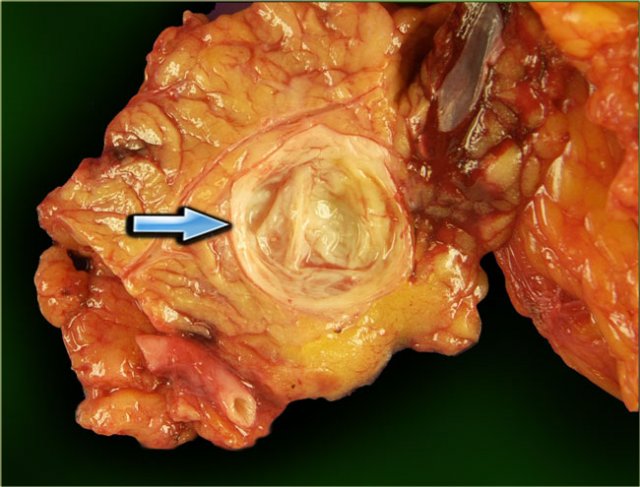
Pancreatic Mass Surgery

When imaging identifies a suspicious pancreatic mass, surgical treatment may be necessary to establish a diagnosis and prevent disease progression.

Goals of Pancreatic Mass Surgery
  • Complete tumor removal
  • Prevention of cancer progression
  • Preservation of pancreatic function
  • Relief of symptoms
  • Long-term disease control

Dr. Nishant Kurian specializes in advanced pancreatic mass surgery and pancreas tumor resection using modern surgical techniques.

Minimally Invasive Pancreatic Surgery

Many pancreatic cysts and tumors can now be treated using minimally invasive surgical approaches.

Benefits of Minimally Invasive Pancreatic Surgery
  • Smaller incisions
  • Less postoperative pain
  • Reduced blood loss
  • Lower risk of wound complications
  • Faster recovery
  • Shorter hospital stay
  • Earlier return to normal activities
  • Improved cosmetic outcomes

As an advanced minimally invasive pancreatic surgeon, Dr. Nishant Kurian utilizes laparoscopic and robotic-assisted techniques whenever appropriate.

Recovery After Pancreatic Surgery

Recovery depends on the complexity of the procedure and the patient’s overall condition.

Following surgery:
  • Early mobilization is encouraged
  • Oral intake is gradually resumed
  • Nutritional support may be required
  • Hospital stay varies depending on the procedure performed
  • Regular follow-up ensures optimal recovery

Most patients experience significant improvement once the cyst or tumor has been successfully treated.

Why Choose Dr. Nishant Kurian for Pancreatic Cyst & Tumor Treatment?

Dr. Nishant Kurian is a highly experienced gastrointestinal and hepatopancreatobiliary surgeon specializing in complex pancreatic diseases and minimally invasive surgery.

Expertise Includes:
  • Pancreatic cyst treatment
  • Pancreatic tumor treatment
  • Pancreatic cyst surgery
  • Pancreatic tumor resection
  • Pancreatic tumor removal surgery
  • Pancreatic mass surgery
  • Minimally invasive pancreatic surgery
  • Complex HPB surgery
  • Benign and malignant pancreatic tumor management
  • Comprehensive multidisciplinary pancreatic care

Patients seeking the best pancreatic surgeon, experienced pancreatic tumor surgeon, or expert doctor for pancreatic cyst removal benefit from personalized treatment, advanced technology, and evidence-based care.

Frequently Asked Questions

1

What is chronic pancreatitis?

Chronic pancreatitis is a long-term inflammatory condition that causes permanent damage to the pancreas and may result in pain, digestive problems, and diabetes.

2

What is pancreatic tumor resection?

Pancreatic tumor resection is the surgical removal of a pancreatic tumor to treat or prevent progression of disease.

3

Can pancreatic cysts become cancerous?

Some pancreatic cysts have malignant potential and require careful monitoring or surgical removal.

4

What is pancreatic mass surgery?

Pancreatic mass surgery involves removing abnormal growths within the pancreas that may be benign, precancerous, or cancerous.

5

Is minimally invasive pancreatic surgery safe?

Yes. When performed by an experienced pancreatic surgeon, minimally invasive surgery offers excellent outcomes with faster recovery.

6

Who should perform pancreatic tumor removal surgery?

Complex pancreatic procedures should be performed by an experienced HPB surgeon for pancreatic surgery with expertise in pancreatic tumor resection and minimally invasive techniques.

7

When should I consult a pancreatic cyst specialist?

You should consult a specialist whenever a pancreatic cyst, pancreatic mass, or pancreatic tumor is detected on imaging, even if you have no symptoms.

Don’t ignore persistent pain, digestive discomfort, or hernia-related symptoms

Experience advanced laparoscopic, robotic, and gastrointestinal surgical care with Dr. Nishant Kurian, focused on precision treatment, faster recovery, and better patient outcomes.

Book An Appointment

Advanced Onco, GI Laparoscopic and Robotic Surgery in Delhi

PSRI HOSPITAL, SHEIKH SARAI PHASE 2, SAKET, NEW DELHI

drnishantkurian85@gmail.com

+91-9220878969

© 2026 www.drnishantkurian.com


    This will close in 20 seconds

    Schedule Appointment


      This will close in 0 seconds

      Call Now Button