Item #1

Banner Title

Lorem Ipsum is simply dumy text of the printing typesetting industry lorem ipsum.

Edit Template

Pancreatic Cancer Treatment in Delhi

Advanced Robotic & Minimally Invasive Pancreatic Cancer Surgery by Dr. Nishant Kurian

Pancreatic cancer is one of the most complex gastrointestinal cancers and requires timely diagnosis, specialized surgical expertise, and multidisciplinary care. When detected early and treated appropriately, surgery offers the best chance for long-term survival and improved quality of life.

Dr. Nishant Kurian is an experienced Hepatopancreatobiliary (HPB) surgeon and pancreatic surgeon in Delhi specializing in advanced pancreatic cancer treatment, pancreatic cancer surgery, Whipple procedure, distal pancreatectomy surgery, and CMR robotic pancreatic cancer surgery. Using modern minimally invasive and robotic techniques, he offers personalized treatment plans designed to achieve optimal cancer outcomes while promoting faster recovery.
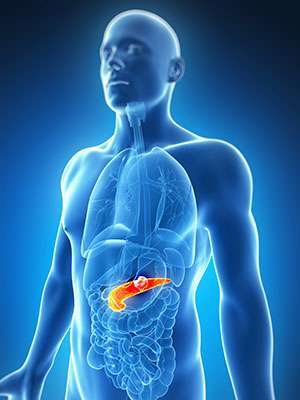

What is Pancreatic Cancer?

Pancreatic cancer develops when abnormal cells in the pancreas grow uncontrollably and form a tumor. The pancreas is an important organ located behind the stomach that helps regulate blood sugar and aids digestion.

Pancreatic cancer often develops silently during its early stages, which makes timely diagnosis particularly important. Depending on the location and stage of the disease, treatment may involve surgery, chemotherapy, radiation therapy, or a combination of therapies.

For many patients, surgery for pancreatic cancer remains the most effective treatment option and offers the best opportunity for cure.

What Causes Pancreatic Cancer?

While the exact cause is not always known, several factors can increase the risk of developing pancreatic cancer.

Common Risk Factors Include:
  • Smoking and tobacco use
  • Chronic pancreatitis
  • Diabetes mellitus
  • Obesity
  • Family history of pancreatic cancer
  • Genetic syndromes and inherited mutations
  • Increasing age
  • High-fat diets and sedentary lifestyle

Individuals with these risk factors should undergo regular medical evaluation, especially if symptoms develop.

Symptoms of Pancreatic Cancer

Pancreatic cancer symptoms may be vague initially and often become noticeable as the disease progresses.

Common Warning Signs Include:
  • Persistent abdominal pain
  • Back pain
  • Unexplained weight loss
  • Loss of appetite
  • Jaundice (yellowing of the eyes and skin)
  • Dark urine
  • Pale stools
  • Nausea and vomiting
  • New-onset diabetes
  • Fatigue and weakness

Early consultation with an experienced pancreatic surgeon in Delhi can help achieve timely diagnosis and treatment.

When Should You See a Pancreatic Cancer Specialist?

Medical evaluation is recommended if you experience:
  • Persistent abdominal or back pain
  • Unexplained jaundice
  • Significant weight loss
  • Difficulty eating or digesting food
  • Family history of pancreatic cancer
  • Newly diagnosed diabetes with associated symptoms

Early diagnosis often increases treatment options and improves outcomes.

How is Pancreatic Cancer Diagnosed?

Accurate diagnosis is essential to determine the stage of cancer and identify the most effective treatment strategy.

Diagnostic Evaluation May Include:
  • Clinical Examination – Detailed assessment of symptoms, medical history, and risk factors.
  • Blood Tests – Including liver function tests and tumor markers such as CA 19-9.
  • Contrast-Enhanced CT Scan – The most commonly used imaging test for pancreatic cancer evaluation.
  • MRI Scan – Provides detailed assessment of pancreatic tumors and surrounding structures.
  • Endoscopic Ultrasound (EUS) – Allows close visualization of the pancreas and facilitates biopsy.
  • Biopsy – Confirms the diagnosis by examining tissue samples under a microscope.

Possible Complications of Untreated Pancreatic Cancer

Without treatment, pancreatic cancer may lead to:
  • Progressive tumor growth
  • Obstruction of the bile duct
  • Severe weight loss and malnutrition
  • Digestive difficulties
  • Spread to the liver and other organs
  • Persistent pain
  • Reduced quality of life

Early intervention significantly improves treatment outcomes.

What is the Best Treatment for Pancreatic Cancer?

The best treatment for pancreatic cancer depends on the stage, location, and extent of the disease.

For localized and potentially curable tumors, pancreatic cancer surgery remains the cornerstone of treatment. Surgical removal of the tumor offers the highest likelihood of long-term survival when combined with appropriate oncological care.

Treatment options may include:
  • Whipple procedure
  • Distal pancreatectomy surgery
  • Total pancreatectomy
  • Chemotherapy
  • Radiation therapy
  • Targeted therapies in selected cases

Dr. Nishant Kurian works closely with a multidisciplinary cancer team to develop personalized treatment plans for every patient.

Whipple Procedure (Pancreaticoduodenectomy)

The Whipple procedure is the most commonly performed operation for cancers located in the head of the pancreas.

During the procedure, the surgeon removes:
  • The head of the pancreas
  • Part of the small intestine (duodenum)
  • Gallbladder
  • Bile duct
  • Occasionally a portion of the stomach

The digestive tract is then carefully reconstructed.

As a highly experienced Whipple procedure specialist, Dr. Nishant Kurian performs this complex surgery using advanced surgical and robotic techniques whenever appropriate.

Benefits of Whipple Procedure
  • Complete tumor removal when feasible
  • Improved long-term survival
  • Relief of bile duct obstruction
  • Better symptom control
  • Potential curative treatment

Distal Pancreatectomy Surgery

Distal pancreatectomy surgery is performed when pancreatic tumors are located in the body or tail of the pancreas.

During the procedure:
  • The body and tail of the pancreas are removed
  • The spleen may be preserved or removed depending on the tumor location
  • Nearby lymph nodes are evaluated

As a leading distal pancreatectomy specialist doctor, Dr. Nishant Kurian offers both laparoscopic and robotic approaches to maximize patient recovery.

Benefits of Distal Pancreatectomy
  • Effective pancreatic tumor removal surgery
  • Smaller incisions when performed minimally invasively
  • Less postoperative discomfort
  • Faster recovery
  • Reduced hospital stay

Minimally Invasive & Robotic Pancreatic Surgery

Modern advances in surgical technology have transformed pancreatic cancer treatment.

CMR Robotic Pancreatic Cancer Surgery

Dr. Nishant Kurian offers advanced CMR robotic pancreatic cancer surgery, allowing greater surgical precision during complex pancreatic procedures.

Benefits of Minimally Invasive Pancreatic Surgery
  • Smaller incisions
  • Reduced blood loss
  • Lower risk of complications
  • Less postoperative pain
  • Faster recovery
  • Earlier return to daily activities
  • Improved cosmetic outcomes

For suitable candidates, minimally invasive pancreatic surgery can provide excellent cancer outcomes with enhanced recovery.

Recovery After Pancreatic Cancer Surgery

Recovery varies depending on the type of surgery performed and the patient’s overall health.

Following surgery:
  • Early mobilization is encouraged
  • Nutrition support is carefully managed
  • Hospital stay typically ranges from several days to two weeks
  • Follow-up imaging and oncology consultations may be required
  • Most patients gradually resume normal activities over several weeks

Comprehensive postoperative care plays an important role in achieving the best outcomes.

Why Choose Dr. Nishant Kurian for Pancreatic Cancer Treatment?

Dr. Nishant Kurian is recognized for his expertise in advanced gastrointestinal and HPB surgery and offers comprehensive care for patients with pancreatic tumors.

Expertise Includes:
  • Pancreatic cancer surgery
  • Whipple procedure
  • Distal pancreatectomy surgery
  • Pancreatic tumor removal surgery
  • CMR robotic pancreatic cancer surgery
  • Minimally invasive pancreatic surgery
  • Complex hepatopancreatobiliary surgery
  • Multidisciplinary GI cancer care
  • Enhanced recovery protocols

Patients seeking the best pancreatic cancer surgeon, advanced robotic pancreatic surgeon, or top GI cancer surgeon for pancreatic cancer benefit from evidence-based treatment, personalized care, and advanced surgical expertise.

Frequently Asked Questions

1

What is the best treatment for pancreatic cancer?

The best treatment depends on the stage of cancer. For localized disease, pancreatic cancer surgery often provides the best chance for cure.

2

What is a Whipple procedure?

The Whipple procedure is a complex operation used to treat cancers located in the head of the pancreas by removing the tumor and reconstructing the digestive tract.

3

Who is a Whipple procedure specialist?

A Whipple procedure specialist is a surgeon with advanced training and experience in performing pancreaticoduodenectomy and other complex pancreatic operations.

4

What is Distal pancreatectomy surgery?

Distal pancreatectomy involves removal of the body and tail of the pancreas and is commonly performed for tumors in these regions.

5

Is Robotic pancreatic surgery safe?

Yes. In experienced hands, robotic pancreatic surgery is safe and can offer several advantages, including smaller incisions and faster recovery.

6

Who should perform pancreatic cancer surgery?

Pancreatic cancer surgery should be performed by an experienced Hepatopancreatobiliary (HPB) surgeon with expertise in complex pancreatic procedures and minimally invasive techniques.

Don’t ignore persistent pain, digestive discomfort, or hernia-related symptoms

Experience advanced laparoscopic, robotic, and gastrointestinal surgical care with Dr. Nishant Kurian, focused on precision treatment, faster recovery, and better patient outcomes.

Book An Appointment

Advanced Onco, GI Laparoscopic and Robotic Surgery in Delhi

PSRI HOSPITAL, SHEIKH SARAI PHASE 2, SAKET, NEW DELHI

drnishantkurian85@gmail.com

+91-9220878969

© 2026 www.drnishantkurian.com


    This will close in 20 seconds

    Schedule Appointment


      This will close in 0 seconds

      Call Now Button