Lorem Ipsum is simply dumy text of the printing typesetting industry lorem ipsum.
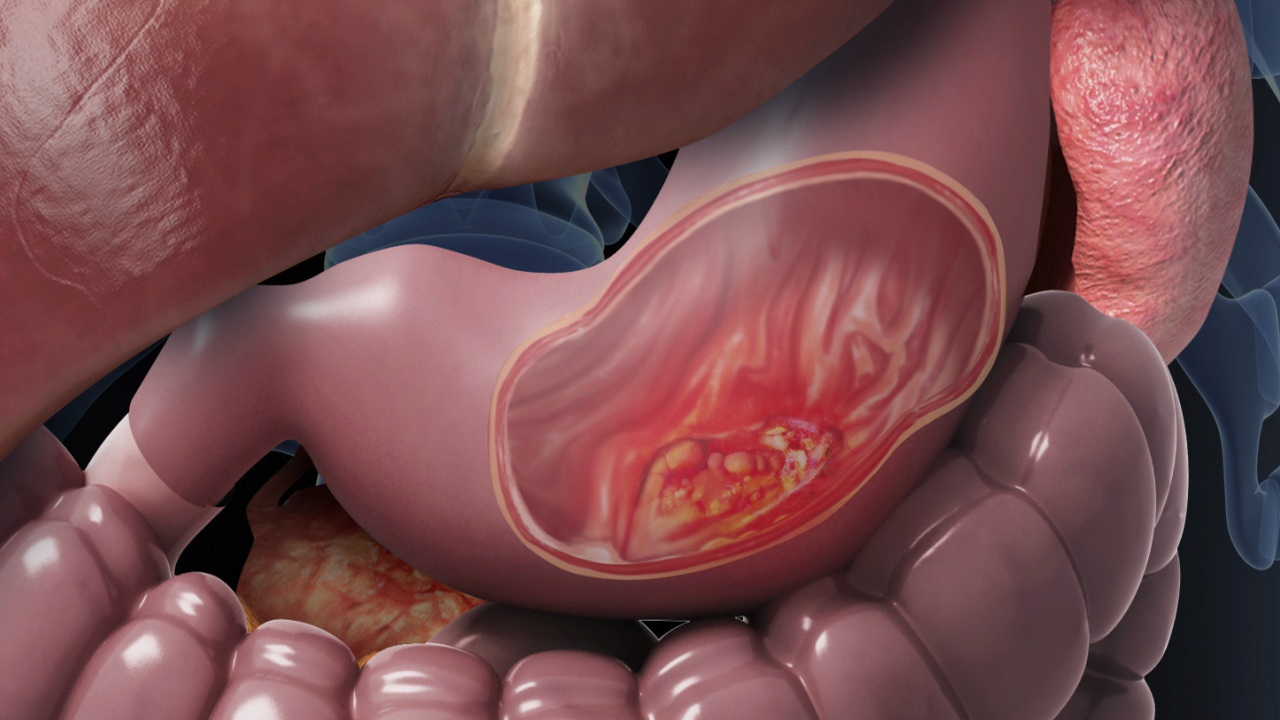
Stomach cancer, also known as gastric cancer, develops when abnormal cells grow uncontrollably in the lining of the stomach. It is one of the most serious gastrointestinal cancers and requires timely diagnosis and specialised treatment for the best outcomes.
Modern advances in stomach cancer treatment now allow patients to benefit from highly precise surgical procedures, chemotherapy, targeted therapy, and minimally invasive approaches such as laparoscopic gastrectomy. Early diagnosis and expert surgical care can significantly improve recovery and long-term survival.
Patients searching for the best treatment for gastric cancer, gastric cancer surgery, or an experienced Oncosurgeon for gastric cancer should seek specialised GI cancer care from Dr. Kurian, who is trained in advanced and minimally invasive gastrointestinal oncology procedures.
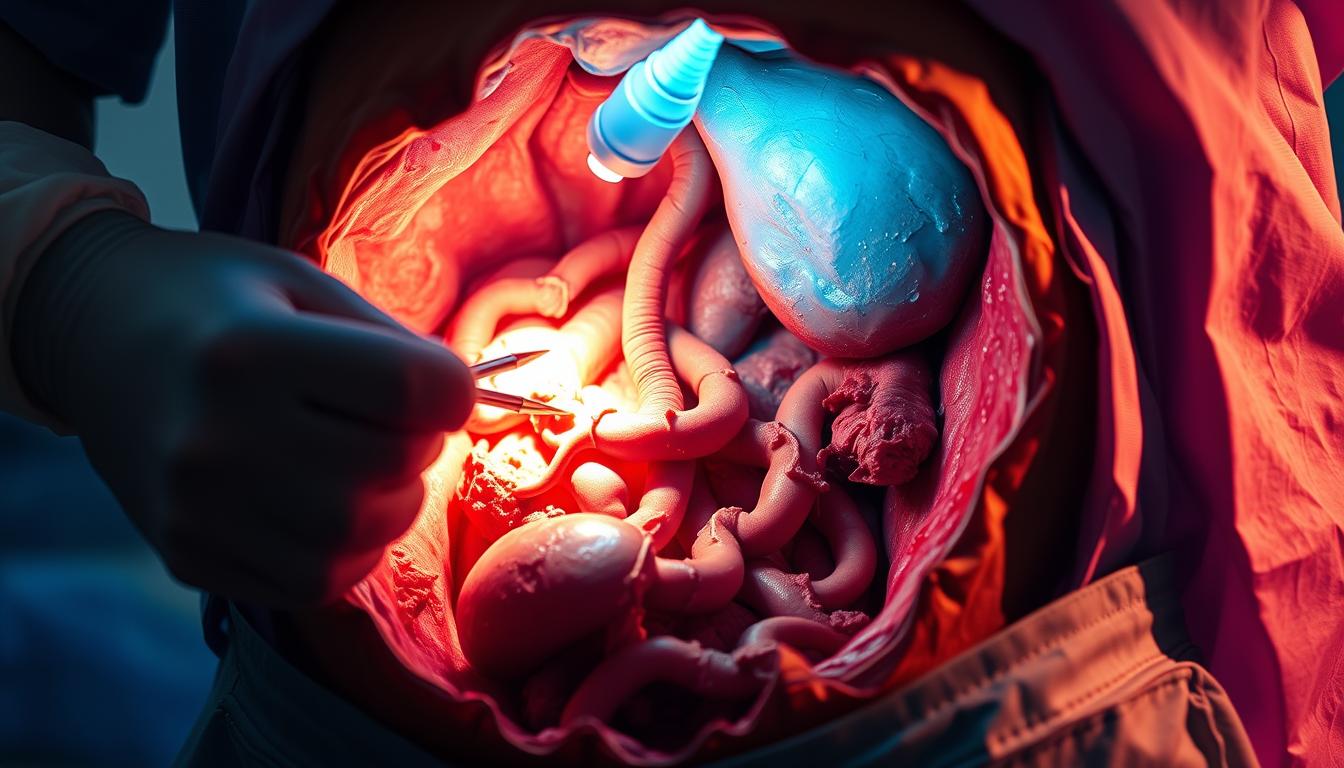
Stomach cancer begins in the inner lining of the stomach (the mucosa) when abnormal cells grow uncontrollably, creating a tumour. It may gradually spread deeper into the stomach wall, nearby lymph nodes, and surrounding organs like lymph nodes, lungs and liver if left untreated.
The most common form is adenocarcinoma, which originates from the glandular cells of the stomach lining. Depending on the stage and spread, treatment may involve surgery, chemotherapy, immunotherapy, or a combination of therapies.
Understanding the type of stomach cancer helps determine the most effective treatment approach.
Adenocarcinoma: This is the most common form of stomach cancer, arising from glandular cells in the stomach filling. It accounts for nearly 90–95% of cases. There are two types:
Most patients undergoing gastrectomy surgery for cancer or stomach tumor removal surgery are treated for adenocarcinoma.
Gastrointestinal Stromal Tumour (GIST): GIST develops from specialised cells within the stomach wall and may require surgery along with targeted therapy.
Gastric Lymphoma: This type develops from immune cells present in the stomach lining rather than the stomach’s epithelial cells and may sometimes respond to antibiotics, chemotherapy, or radiation therapy.
Neuroendocrine Tumours (NETs): These rare tumours arise from hormone-producing cells in the stomach and may require endoscopic or surgical treatment.
Early stomach cancer may not cause obvious symptoms.
Persistent digestive symptoms should always be evaluated by a gastric cancer specialist doctor.
Accurate diagnosis and staging are essential for planning the most effective advanced gastric cancer treatment.
Upper GI Endoscopy: A thin flexible camera is used to examine the stomach lining and identify suspicious growths or ulcers.
Biopsy: A tissue sample taken during endoscopy confirms whether the lesion is cancerous and helps identify the type of stomach cancer.
CT Scan: CT imaging helps determine the tumour size, Lymph node involvement and Spread to nearby organs or distant sites.
PET-CT Scan: PET scans may be advised in advanced cases to evaluate cancer spread throughout the body.
Endoscopic Ultrasound (EUS): EUS helps determine the depth of tumour by providing detailed images of the stomach wall and surrounding tissues.
Blood Tests: Blood investigations help assess anaemia, nutritional status, liver function, and fitness for surgery or chemotherapy.
Treatment depends on the stage of cancer, tumour location, overall health condition, and whether the disease has spread.
Surgery remains one of the most effective treatments for localised stomach cancer. The goal is complete tumour removal along with surrounding lymph nodes.
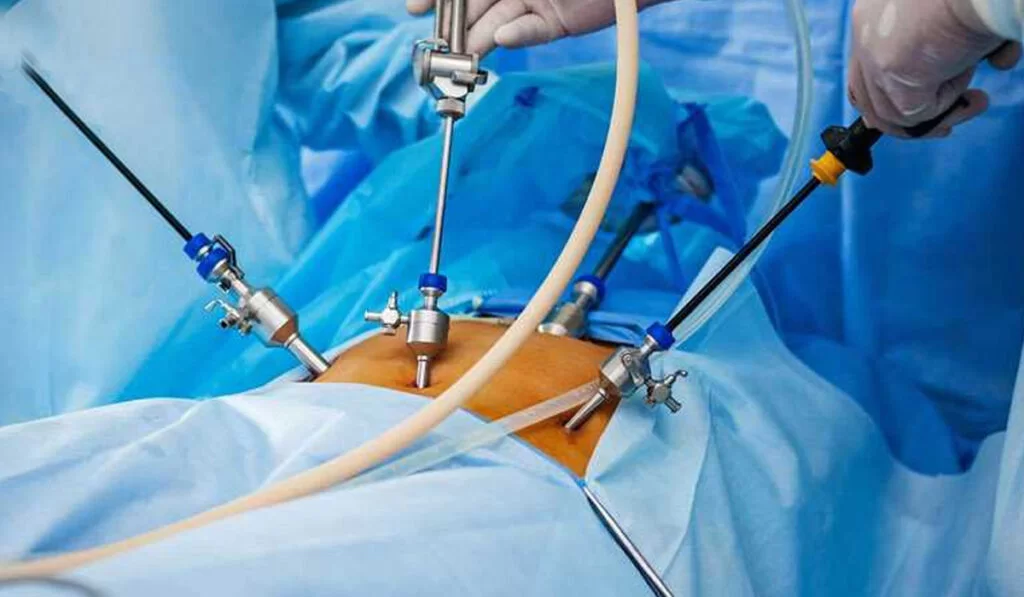
One of the most advanced options in modern stomach cancer treatment is laparoscopic gastrectomy, also known as minimally invasive gastrectomy. This technique uses small keyhole incisions along with specialised laparoscopic instruments and high-definition imaging systems.
For eligible patients, minimally invasive stomach cancer surgery provides excellent outcomes while improving overall recovery and quality of life.
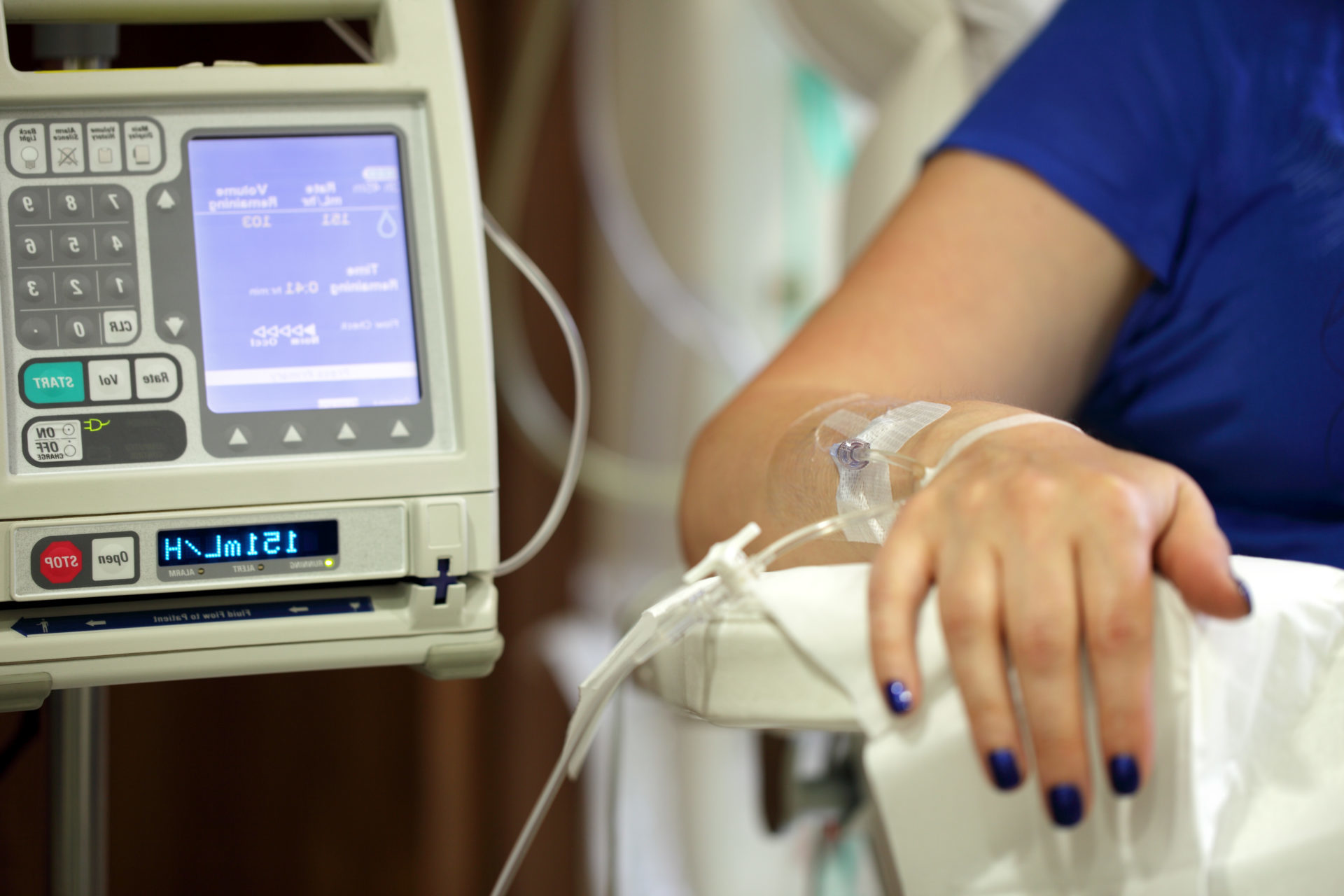
Modern chemotherapy regimens are customised according to tumour stage and patient condition.
Certain stomach cancers respond to advanced treatments that target specific cancer cells or enhance the immune system’s ability to fight cancer. These therapies are usually advised after molecular testing.
In advanced stages, treatment focuses on symptom control and improving quality of life.
Choosing the right specialist is one of the most important decisions in the journey. Dr. Nishant Kurian is known for his expertise in gastrointestinal and minimally invasive cancer surgery, offering evidence-based and patient-focused care.
often seek specialised GI oncology care with advanced minimally invasive expertise.
Early symptoms may include indigestion, bloating, acidity, loss of appetite, and unexplained weight loss.
Anyone experiencing persistent digestive symptoms, unexplained weight loss, vomiting, or difficulty swallowing should seek evaluation.
Laparoscopic gastrectomy is a minimally invasive procedure used to remove part or all of the stomach affected by cancer through small incisions.
Yes. In suitable patients, minimally invasive gastrectomy is considered safe and offers faster recovery with less postoperative discomfort.
Yes. Early-stage stomach cancer can often be treated successfully with surgery and appropriate oncological treatment.
Recovery varies depending on the type of surgery and overall health, but minimally invasive surgery generally allows quicker recovery.
Some patients may require chemotherapy before or after surgery depending on the stage and pathology of the tumour.
Experience advanced laparoscopic, robotic, and gastrointestinal surgical care with Dr. Nishant Kurian, focused on precision treatment, faster recovery, and better patient outcomes.
© 2026 www.drnishantkurian.com
This will close in 20 seconds
Demo Description
This will close in 0 seconds