Lorem Ipsum is simply dumy text of the printing typesetting industry lorem ipsum.
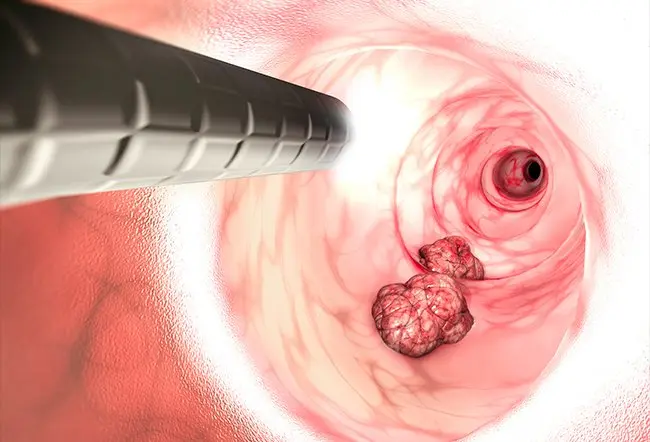
Expert Rectal Cancer Surgery by Dr. Nishant Kurian
Rectal cancer is a type of colorectal cancer that develops in the last portion of the large intestine, known as the rectum. Advances in modern surgical techniques have significantly improved outcomes, allowing patients to undergo highly precise, minimally invasive procedures with faster recovery and better quality of life.
Dr. Nishant Kurian is an experienced GI, HPB, and colorectal cancer surgeon specializing in Rectal Cancer Treatment, Rectal Cancer Surgery, Robotic Rectal Cancer Surgery, and Laparoscopic Rectal Cancer Surgery. With expertise in advanced minimally invasive techniques, he offers personalized treatment plans focused on complete cancer removal while preserving bowel function whenever possible.
Rectal cancer occurs in the inner lining of your rectum when abnormal cells grow uncontrollably. It is often grouped under colorectal cancers but requires specialized treatment because of its unique location within the pelvis and its close relationship to important nerves and muscles controlling bowel function.
Most rectal cancers arise from precancerous polyps known as adenomas, which develop in the lining of the rectum. While these polyps are usually harmless at first, some may slowly evolve into cancer over 10 to 15 years, making routine screening and timely treatment essential for preventing disease progression.
Early detection and timely treatment can significantly improve survival rates and reduce complications.
Disease Type – Colorectal Cancer
Location – Rectum (last 12–15 cm of large intestine)
Common Age Group – Above 50 years, but increasingly seen in younger adults
Main Treatment – Surgery with or without chemotherapy and radiation
Surgical Options – LAR Surgery, APR Surgery, Robotic Surgery, Laparoscopic Surgery
Goal of Treatment – Complete cancer removal and prevention of recurrence
While these factors increase risk, rectal cancer can also occur in individuals without any obvious risk factors.
Changes in Bowel Habits
Rectal Bleeding
Blood in stools is one of the most common warning signs and should never be ignored.
Abdominal and Pelvic Symptoms
General Symptoms
Many early-stage rectal cancers may not cause symptoms, making screening and regular check-ups extremely important.
Screening tests detect cancerous cells on the surface of tissue lining the rectum.
Cancer is confined to the rectal wall.
Cancer extends through the rectal wall but has not spread to lymph nodes.
Cancer has spread to nearby lymph nodes and some tissues outside the outer wall.
Cancer has spread to distant organs such as the liver, lungs, or peritoneum.
Treatment recommendations vary depending on the stage, tumor location, and patient health.
Modern rectal cancer treatment often requires a multidisciplinary approach involving colorectal surgeons, medical oncologists, radiation oncologists, radiologists, and pathologists.
For most patients with localized disease, Rectal Cancer Surgery remains the cornerstone of curative treatment.
The primary goal of surgery is complete removal of the rectal tumor along with surrounding lymph nodes while preserving normal bowel function whenever feasible. Today, many patients can benefit from Minimally Invasive Rectal Cancer Surgery, including advanced laparoscopic and robotic techniques
Laparoscopic Rectal Cancer Surgery is performed through small keyhole incisions using specialized instruments and a high-definition camera.
As a Laparoscopic Rectal Surgery Specialist, Dr. Nishant Kurian performs advanced minimally invasive procedures for appropriately selected patients.
Robotic Rectal Cancer Surgery represents one of the most advanced techniques available for treating rectal cancer. Using robotic-assisted technology, the surgeon gains enhanced visualization, improved dexterity, and greater precision within the confined space.
Patients seeking a Robotic Rectal Cancer Surgeon in Delhi can benefit from advanced robotic procedures tailored to tumor location and stage.
Low Anterior Resection (LAR) Surgery is commonly performed for cancers located in the upper and middle rectum.
The major advantage of LAR Surgery is preservation of the anal sphincter, allowing patients to continue passing stool normally.
Patients with:
Dr. Nishant Kurian is recognized as an experienced LAR Surgery Specialist Doctor with expertise in complex rectal cancer resections.
Abdominoperineal Resection (APR) Surgery is recommended when rectal cancer involves or is very close to the anal sphincter muscles.
Although APR surgery requires a permanent stoma, it remains a highly effective treatment option for low rectal cancers that cannot be safely managed with sphincter-preserving surgery.
Patients requiring this procedure benefit from consultation with an APR Surgery Expert Surgeon experienced in advanced colorectal oncology.
Modern rectal cancer surgery is based on the principle of Total Mesorectal Excision (TME).
This technique significantly reduces local recurrence rates and improves long-term survival. Both Robotic and Laparoscopic Rectal Cancer Surgery allow meticulous TME with excellent oncological outcomes.
Recovery varies depending on the procedure performed.
Enhanced Recovery After Surgery (ERAS) protocols further improve recovery and reduce complications.
Dr. Nishant Kurian is an Advanced Minimally Invasive Colorectal Surgeon with expertise in complex gastrointestinal and colorectal cancer surgery.
Patients looking for the Best Surgery for Rectal Cancer, an experienced Top GI Cancer Surgeon for Rectal Cancer, an Experienced Colorectal Cancer Surgeon in India, or guidance regarding the Best Hospital for Rectal Cancer Surgery can benefit from a comprehensive consultation and individualized treatment planning.

Yes. When diagnosed early and treated appropriately, rectal cancer can often be cured.
The best surgery depends on tumor location and stage. Common procedures include Low Anterior Resection (LAR) and Abdominoperineal Resection (APR).
Robotic surgery offers several advantages including enhanced precision, smaller incisions, faster recovery, and improved visualization in the pelvis.
LAR preserves the anal sphincter and normal bowel function, whereas APR involves removal of the anus and requires a permanent colostomy.
Most patients recover significantly within 4 to 8 weeks, although complete recovery may vary based on the procedure and individual health factors.
Recurrence is possible. Regular follow-up, surveillance scans, and colonoscopies are essential after treatment.
Experience advanced laparoscopic, robotic, and gastrointestinal surgical care with Dr. Nishant Kurian, focused on precision treatment, faster recovery, and better patient outcomes.
© 2026 www.drnishantkurian.com
This will close in 20 seconds
Demo Description
This will close in 0 seconds