Item #1

Banner Title

Lorem Ipsum is simply dumy text of the printing typesetting industry lorem ipsum.

Edit Template

Bile Duct Cancer Treatment in Delhi

Advanced Cholangiocarcinoma Surgery & HPB Cancer Care by Dr. Nishant Kurian

Bile duct cancer, also known as cholangiocarcinoma, is a rare but serious cancer that develops in the bile ducts—the tubes that carry bile from the liver to the intestine. Because bile duct cancer often grows silently in its early stages, prompt diagnosis and treatment by an experienced specialist are critical for achieving the best outcomes.

Dr. Nishant Kurian is an experienced HPB surgeon in Delhi for bile duct cancer specializing in advanced bile duct cancer treatment, cholangiocarcinoma surgery, bile duct tumor resection, and complex biliary reconstruction procedures. With expertise in hepatobiliary oncology and minimally invasive surgical techniques, he provides comprehensive care for patients with bile duct tumors and biliary tract cancers.

What is Bile Duct Cancer (Cholangiocarcinoma)?

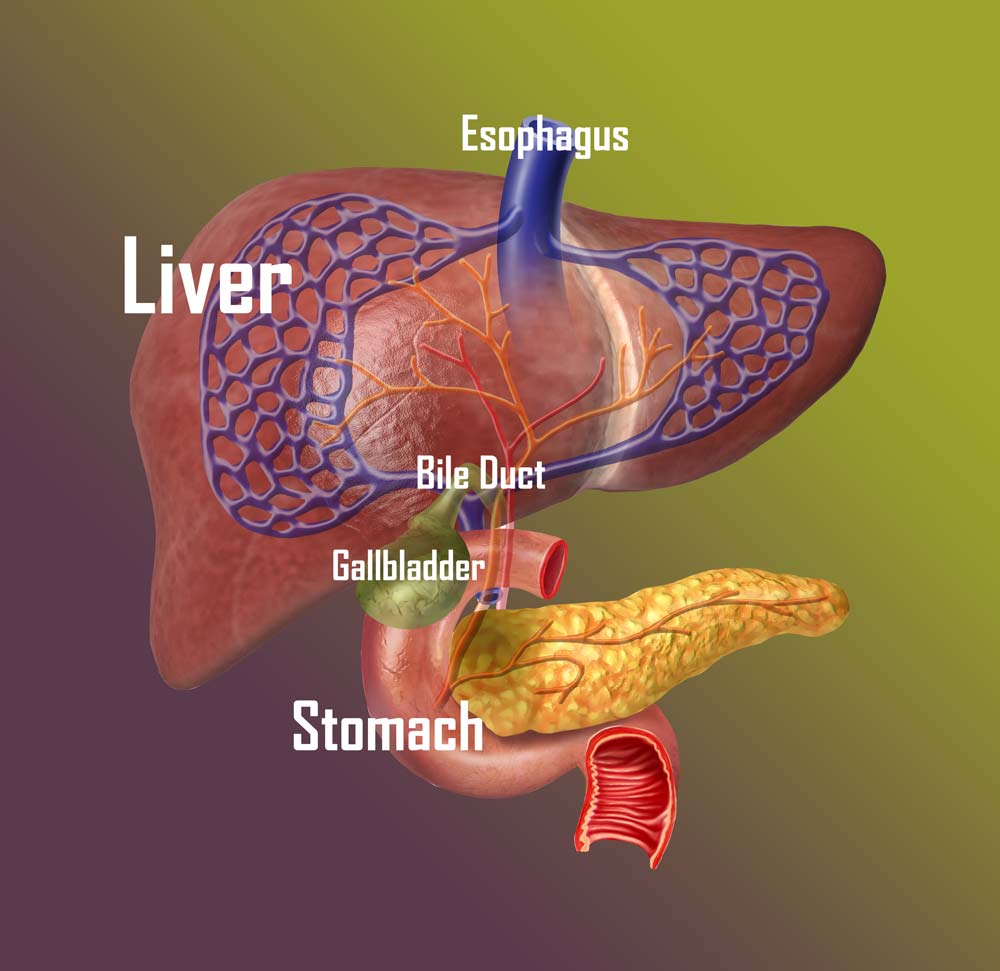
Bile duct cancer, medically known as cholangiocarcinoma, develops in the bile ducts that connect the liver, gallbladder, and small intestine.

The bile ducts play an important role in transporting bile, which helps digest fats and remove waste products from the body. When cancer develops within these ducts, it can obstruct bile flow and affect liver function.

Depending on its location, cholangiocarcinoma may be classified as:

Intrahepatic Cholangiocarcinoma

Develops within the bile ducts inside the liver.

Perihilar Cholangiocarcinoma (Klatskin Tumor)

Occurs at the junction where the right and left bile ducts join outside the liver.

Distal Cholangiocarcinoma

Develops in the lower portion of the bile duct closer to the small intestine.

Early consultation with a cholangiocarcinoma specialist can significantly improve treatment options and outcomes.

What Causes Bile Duct Cancer?

The exact cause of bile duct cancer is often unknown, but several conditions can increase the risk.

Risk Factors Include:
  • Primary sclerosing cholangitis (PSC)
  • Bile duct cysts
  • Chronic bile duct inflammation
  • Hepatitis B and Hepatitis C infection
  • Liver cirrhosis
  • Gallstones and bile duct stones
  • Parasitic liver infections
  • Smoking
  • Diabetes
  • Increasing age

Not everyone with these risk factors develops cholangiocarcinoma, but individuals at higher risk should undergo appropriate medical evaluation.

Symptoms of Bile Duct Cancer

Symptoms often develop when the tumor begins obstructing bile flow.

Common Symptoms Include:
  • Jaundice (yellowing of the skin and eyes)
  • Dark-colored urine
  • Pale stools
  • Persistent itching
  • Abdominal pain
  • Unexplained weight loss
  • Loss of appetite
  • Nausea and vomiting
  • Fever
  • Fatigue and weakness

Any persistent symptoms should be evaluated by an experienced specialist for bile duct cancer treatment.

When Should You See a Bile Duct Cancer Specialist?

You should seek medical attention if you experience:
  • Unexplained jaundice
  • Persistent itching
  • Weight loss without a clear cause
  • Bile duct blockage detected on imaging
  • Recurrent cholangitis (bile duct infection)
  • Suspicious bile duct narrowing or mass

Early diagnosis often allows for more effective treatment options.

How is Bile Duct Cancer Diagnosed?

Accurate diagnosis and staging are essential for determining the most appropriate treatment plan.

Diagnostic Evaluation May Include:
  • Clinical Examination – Assessment of symptoms, medical history, and risk factors.
  • Blood Tests – Including liver function tests and tumor markers such as CA 19-9.
  • Ultrasound Scan – Often used as an initial imaging study.
  • Contrast-Enhanced CT Scan – Provides detailed information about tumor size and spread.
  • MRI & MRCP – Offers excellent visualization of the biliary system and helps assess the extent of disease.
  • ERCP (Endoscopic Retrograde Cholangiopancreatography) – May be used to evaluate and treat bile duct obstruction.
  • Endoscopic Ultrasound (EUS) – Allows detailed assessment and tissue sampling.
  • Biopsy – May be performed to confirm the diagnosis.

Possible Complications of Untreated Bile Duct Cancer

Without treatment, bile duct cancer may lead to:
  • Progressive jaundice
  • Liver dysfunction
  • Recurrent bile duct infections
  • Severe weight loss
  • Liver failure
  • Cancer spread to nearby organs
  • Metastatic disease
  • Reduced quality of life

Timely intervention can significantly improve outcomes and symptom control.

What is the Best Treatment for Bile Duct Cancer?

The best treatment for bile duct cancer depends on:

  • Tumor location
  • Stage of disease
  • Extent of liver involvement
  • Lymph node spread
  • Patient’s overall health
Treatment options may include:
  • Bile duct cancer surgery
  • Cholangiocarcinoma surgery
  • Liver resection
  • Bile duct tumor resection
  • Hepaticojejunostomy surgery
  • Bile duct reconstruction surgery
  • Chemotherapy
  • Targeted therapy in selected cases

For localized disease, surgery remains the most effective treatment and offers the best chance of long-term survival.

Cholangiocarcinoma Surgery

Cholangiocarcinoma surgery aims to completely remove the cancer while preserving as much healthy liver and biliary tissue as possible.

Depending on the tumor location, surgery may involve:

Liver Resection

Removal of the affected portion of the liver along with involved bile ducts.

Bile Duct Tumor Resection

Complete removal of the cancerous bile duct segment and surrounding tissues.

Pancreaticoduodenectomy (Whipple Procedure)

May be required for distal bile duct cancers located near the pancreas.

As a top liver and bile duct cancer surgeon in India, Dr. Nishant Kurian performs advanced oncologic resections following internationally accepted cancer surgery principles.

Hepaticojejunostomy Surgery

Hepaticojejunostomy surgery is a specialized biliary reconstruction procedure commonly performed after removal of bile duct tumors.

During the procedure:
  • The diseased bile duct is removed
  • The remaining healthy bile duct is connected to the small intestine
  • Bile drainage is restored

This operation plays a critical role in ensuring normal bile flow following cancer surgery.

Benefits of Hepaticojejunostomy
  • Restores bile drainage
  • Prevents recurrent obstruction
  • Improves liver function
  • Supports long-term recovery
  • Enhances quality of life

Dr. Nishant Kurian is an experienced hepaticojejunostomy surgeon with expertise in complex biliary reconstruction procedures.

Bile Duct Reconstruction Surgery

Many patients undergoing bile duct tumor removal require bile duct reconstruction surgery to restore normal bile flow.

Goals of Biliary Reconstruction
  • Re-establish bile drainage
  • Prevent bile leakage
  • Reduce the risk of infection
  • Preserve liver function
  • Improve long-term outcomes

Successful reconstruction requires the expertise of a specialist for biliary reconstruction surgery and an experienced HPB surgical team.

Minimally Invasive Approaches in Bile Duct Cancer Surgery

Selected patients may benefit from advanced minimally invasive techniques for staging and treatment.

Potential Benefits Include:
  • Smaller incisions
  • Less postoperative pain
  • Reduced blood loss
  • Faster recovery
  • Earlier mobilization
  • Shorter hospital stay

Suitability depends on the location and stage of the tumor.

Recovery After Bile Duct Cancer Surgery

Recovery varies depending on the complexity of surgery and the extent of liver or bile duct reconstruction.

Following surgery:
  • Early mobilization is encouraged
  • Nutritional support is carefully managed
  • Liver function is closely monitored
  • Hospital stay varies depending on the procedure performed
  • Follow-up oncology care may be required

Comprehensive postoperative management is essential for optimal recovery.

Why Choose Dr. Nishant Kurian for Bile Duct Cancer Treatment?

Dr. Nishant Kurian specializes in advanced hepatopancreatobiliary and gastrointestinal cancer surgery with extensive experience in managing complex biliary tract cancers.

Expertise Includes:
  • Bile duct cancer treatment
  • Cholangiocarcinoma surgery
  • Bile duct cancer surgery
  • Bile duct tumor resection
  • Hepaticojejunostomy surgery
  • Bile duct reconstruction surgery
  • Complex liver and biliary cancer surgery
  • Multidisciplinary HPB oncology care
  • Advanced gastrointestinal cancer surgery
  • Personalized cancer treatment planning

Patients seeking the best bile duct cancer surgeon, expert doctor for bile duct tumor surgery, or an oncosurgeon for cholangiocarcinoma benefit from specialized expertise, advanced surgical techniques, and comprehensive cancer care.

Frequently Asked Questions

1

What is bile duct cancer?

Bile duct cancer, or cholangiocarcinoma, is a cancer that develops in the bile ducts that carry bile from the liver to the intestine.

2

What is the best treatment for bile duct cancer?

For localized disease, surgery offers the best chance of long-term survival and potential cure. Additional treatments may be recommended depending on the stage.

3

What is cholangiocarcinoma surgery?

Cholangiocarcinoma surgery involves removal of the cancerous bile duct and, in some cases, portions of the liver, pancreas, or surrounding tissues.

4

What is hepaticojejunostomy surgery?

Hepaticojejunostomy is a biliary reconstruction procedure that reconnects the bile ducts to the small intestine after bile duct removal.

5

Is bile duct reconstruction always required?

Many patients undergoing bile duct tumor resection require reconstruction to restore normal bile drainage.

6

Who should perform bile duct cancer surgery?

Bile duct cancer surgery should be performed by an experienced HPB surgeon with expertise in complex biliary reconstruction and hepatobiliary cancer surgery.

7

Can bile duct cancer be cured?

When diagnosed early and completely removed surgically, bile duct cancer can potentially be cured in selected patients.

8

When should I consult a cholangiocarcinoma specialist?

You should consult a specialist if imaging reveals a bile duct mass, narrowing of the bile duct, unexplained jaundice, or suspected biliary tract cancer.

Don’t ignore persistent pain, digestive discomfort, or hernia-related symptoms

Experience advanced laparoscopic, robotic, and gastrointestinal surgical care with Dr. Nishant Kurian, focused on precision treatment, faster recovery, and better patient outcomes.

Book An Appointment

Advanced Onco, GI Laparoscopic and Robotic Surgery in Delhi

PSRI HOSPITAL, SHEIKH SARAI PHASE 2, SAKET, NEW DELHI

drnishantkurian85@gmail.com

+91-9220878969

© 2026 www.drnishantkurian.com


    This will close in 20 seconds

    Schedule Appointment


      This will close in 0 seconds

      Call Now Button