Lorem Ipsum is simply dumy text of the printing typesetting industry lorem ipsum.
Advanced Laparoscopic & Robotic Gallbladder Surgery by Dr. Nishant Kurian
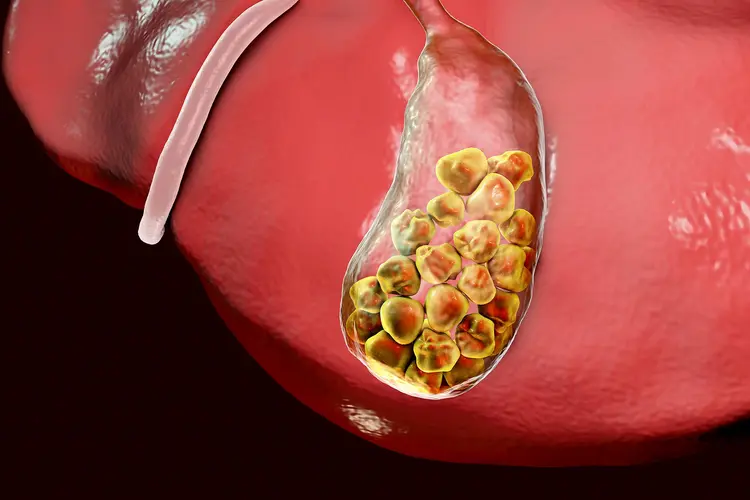
Gallbladder stones, commonly known as gallstones, are one of the most common digestive disorders affecting millions of people worldwide. While some gallstones remain silent and cause no symptoms, others can lead to severe abdominal pain, infection, jaundice, pancreatitis, and other potentially serious complications.
Timely gallbladder stones treatment is essential to prevent recurrent attacks and complications. Dr. Nishant Kurian is an experienced gastrointestinal and minimally invasive surgeon specializing in gallstones surgery, gallbladder removal surgery, robotic gallbladder surgery, and advanced minimally invasive procedures designed to provide faster recovery and excellent long-term outcomes.
The gallbladder is a small organ located beneath the liver that stores bile, a digestive fluid produced by the liver. Gallstones are hardened deposits that form inside the gallbladder when substances in bile become imbalanced.
Gallstones may vary in size from tiny grains to large stones and can occur as a single stone or multiple stones.
While many people with gallstones never experience symptoms, others develop painful attacks and complications that require medical attention.
For symptomatic patients, cholecystectomy surgery for gallstones remains the most effective and permanent treatment.
Gallstones develop when the components of bile become concentrated and crystallize.
Gallstones can occur in both men and women but are more common in adults over the age of 40.
Many gallstones remain asymptomatic. However, when a stone blocks the gallbladder outlet or bile ducts, symptoms can develop suddenly.
Patients experiencing recurrent symptoms should consult a gallstone specialist doctor for evaluation and treatment.
Early treatment can prevent serious complications and emergency surgery.
Accurate diagnosis helps determine the most appropriate treatment plan.
Timely treatment significantly reduces the risk of these complications.
The best treatment for gallstones depends on whether symptoms are present.
Many patients with silent gallstones do not require immediate treatment and may simply be monitored.
Once symptoms develop, the recommended treatment is gallbladder removal surgery, medically known as a cholecystectomy.
Cholecystectomy surgery for gallstones is the gold standard treatment for symptomatic gallstones.
The procedure involves complete removal of the gallbladder, preventing recurrence of gallstones and associated complications.
Today, most gallbladder surgeries are performed using minimally invasive laparoscopic or robotic techniques.
Modern advances have transformed gallstone treatment through minimally invasive surgery.
Laparoscopic surgery is performed through small keyhole incisions using a high-definition camera and specialized instruments.
As a top laparoscopic surgeon for gallstones, Dr. Nishant Kurian offers advanced minimally invasive treatment tailored to each patient’s condition.
Robotic gallbladder surgery represents the next generation of minimally invasive surgery.
Using advanced robotic technology, surgeons can perform gallbladder removal with enhanced precision, visualization, and control.
CMR Robotic Cholecystectomy represents the latest advancement in minimally invasive gallbladder surgery, combining robotic precision with enhanced surgical control. This advanced technology allows surgeons to perform gallbladder removal surgery with greater accuracy, improved visualization, and superior dexterity compared to conventional laparoscopic techniques.
Using the state-of-the-art CMR robotic platform, Dr. Nishant Kurian can perform complex gallbladder procedures through small incisions while maintaining exceptional precision around delicate structures such as the bile duct and surrounding blood vessels.
As an experienced Robotic Cholecystectomy Surgeon in Delhi, Dr. Nishant Kurian offers CMR Robotic Cholecystectomy for suitable patients seeking the benefits of advanced robotic-assisted surgery for gallstones and gallbladder disease.
Most procedures are completed safely within a short duration and allow rapid recovery.
Recovery is generally quick following minimally invasive surgery.
Dr. Nishant Kurian provides comprehensive postoperative care to ensure smooth recovery and excellent outcomes.
The gallbladder is not essential for survival, and most patients live completely normal lives after surgery.
Patients typically experience significant improvement in quality of life after successful surgery.
Dr. Nishant Kurian specializes in advanced gastrointestinal and minimally invasive surgery with extensive experience in treating gallstone disease.
Patients seeking the best gallbladder surgeon, expert doctor for cholecystectomy, or an experienced gallbladder surgery specialist in India benefit from personalized care, advanced technology, and evidence-based treatment.

For symptomatic gallstones, gallbladder removal surgery (cholecystectomy) is considered the most effective and permanent treatment.
In most cases, removing only the stones is not recommended because new stones can form again. Gallbladder removal offers definitive treatment.
Yes. Laparoscopic cholecystectomy is considered the standard treatment and is associated with excellent outcomes and rapid recovery.
Robotic gallbladder surgery is an advanced minimally invasive procedure that uses robotic technology to enhance precision and surgical control.
Patients with symptomatic gallstones, recurrent gallbladder attacks, gallbladder polyps, chronic cholecystitis, or other gallbladder conditions may be candidates for CMR robotic gallbladder surgery. This advanced approach allows patients to benefit from modern surgical technology while receiving safe, effective, and personalized gallstone treatment.
Most laparoscopic or robotic gallbladder procedures take approximately 30 to 90 minutes, depending on the complexity of the case.
Most patients return to routine activities within one to two weeks following minimally invasive surgery.
Gallbladder surgery should be performed by an experienced general surgeon for gallbladder removal with expertise in laparoscopic and robotic techniques.
Experience advanced laparoscopic, robotic, and gastrointestinal surgical care with Dr. Nishant Kurian, focused on precision treatment, faster recovery, and better patient outcomes.
© 2026 www.drnishantkurian.com
This will close in 20 seconds
Demo Description
This will close in 0 seconds