Item #1

Banner Title

Lorem Ipsum is simply dumy text of the printing typesetting industry lorem ipsum.

Edit Template

Treatment for Complications After Gallbladder Surgery in Delhi

Expert Management of Bile Duct Injury, Bile Leak & Jaundice After Gallbladder Surgery by Dr. Nishant Kurian

Gallbladder removal surgery (cholecystectomy) is one of the most commonly performed surgical procedures worldwide and is generally very safe. However, in rare cases, patients may develop complications such as jaundice after gallbladder surgery, bile leak after cholecystectomy, bile duct injury, biliary strictures, infections, or persistent abdominal pain.

These complications often require prompt diagnosis and specialized treatment by an experienced hepatopancreatobiliary (HPB) surgeon. Early intervention can prevent long-term liver damage, recurrent infections, and complex biliary problems.

Dr. Nishant Kurian is an experienced HPB surgeon in Delhi for bile duct repair, specializing in the management of complex post-cholecystectomy complications, including bile duct injury repair surgery, bile leak after cholecystectomy treatment, bile duct reconstruction surgery, and advanced biliary reconstruction procedures.
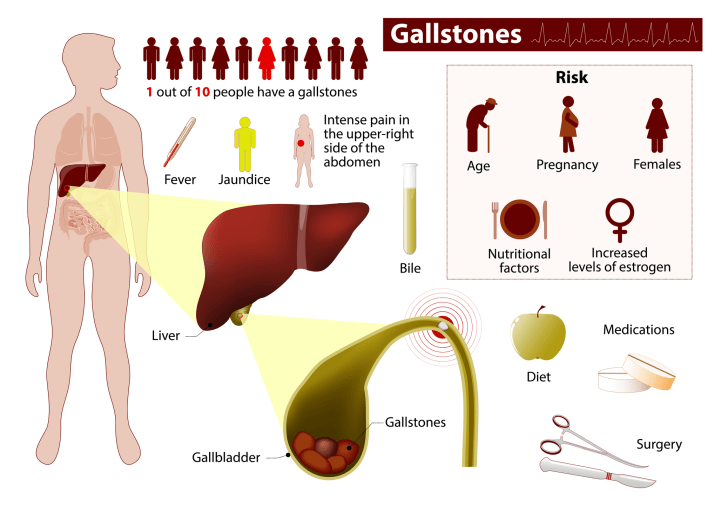

Is It Normal to Have Problems After Gallbladder Surgery?

Most patients recover smoothly after laparoscopic or robotic gallbladder removal. However, some patients may experience unexpected symptoms that require medical attention.

Warning Signs After Gallbladder Surgery Include:
  • Persistent abdominal pain
  • Fever and chills
  • Jaundice (yellowing of the eyes and skin)
  • Bile in the surgical drain
  • Abdominal swelling
  • Persistent nausea or vomiting
  • Dark urine
  • Pale stools
  • Recurrent infections
  • Unexplained weakness

These symptoms should never be ignored and may indicate a bile duct injury or bile leak.

What Are the Common Complications After Gallbladder Surgery?

Although uncommon, complications can occur following gallbladder removal surgery.

Common Post-Cholecystectomy Complications Include:
  • Bile duct injury
  • Bile leak
  • Jaundice after surgery
  • Bile duct narrowing (stricture)
  • Collection of bile inside the abdomen (biloma)
  • Biliary peritonitis
  • Liver infection
  • Recurrent cholangitis (bile duct infection)
  • Retained bile duct stones
  • Persistent abdominal pain

Many of these complications require specialized evaluation by an expert doctor for post gallbladder surgery complications.

What is a Bile Duct Injury?

A bile duct injury occurs when the bile duct is accidentally cut, clipped, burned, or damaged during gallbladder surgery.

The bile duct is responsible for carrying bile from the liver to the intestine. Damage to this structure can disrupt bile flow and lead to serious complications.

Types of Bile Duct Injury
  • Partial bile duct injury
  • Complete bile duct transection
  • Thermal injury to the bile duct
  • Bile duct clipping or obstruction
  • Associated vascular injury

Prompt diagnosis and specialized treatment are critical for achieving the best outcomes.

Jaundice After Gallbladder Surgery

Jaundice after gallbladder surgery is not considered normal and may indicate:
  • Bile duct injury
  • Bile duct obstruction
  • Retained bile duct stones
  • Biliary stricture
  • Bile leakage
  • Liver dysfunction
Symptoms May Include:
  • Yellowing of the eyes and skin
  • Dark urine
  • Pale stools
  • Itching
  • Abdominal pain
  • Fever

Patients who develop jaundice after surgery should seek immediate evaluation by an experienced HPB specialist for biliary injury.

Bile Leak After Cholecystectomy

A bile leak after cholecystectomy occurs when bile escapes from the biliary system into the abdominal cavity instead of flowing normally into the intestine.

Common Causes Include:
  • Injury to the bile duct
  • Leakage from small bile ducts
  • Incomplete closure of the cystic duct stump
  • Unrecognized biliary injury
Symptoms of Bile Leak
  • Persistent abdominal pain
  • Fever
  • Abdominal distension
  • Nausea and vomiting
  • Bile in the drain after surgery
  • Delayed recovery

Early diagnosis is essential because untreated bile leaks can lead to severe infection and peritonitis.

What Does Bile in the Drain Mean After Surgery?

The presence of bile in the drain following gallbladder surgery often indicates a bile leak.

While small leaks may occasionally resolve with drainage and endoscopic treatment, significant bile leakage may require specialized intervention or surgery.

Persistent bile drainage should always be evaluated by an emergency bile duct repair surgeon or HPB specialist.

How Are Post-Gallbladder Surgery Complications Diagnosed?

Accurate diagnosis helps determine the extent of injury and the most effective treatment approach.

Diagnostic Evaluation May Include:
  • Clinical Examination – Assessment of symptoms, surgical history, and drain output.
  • Blood Tests – Evaluation of liver function, infection markers, and bilirubin levels.
  • Ultrasound Scan – Detection of fluid collections and bile leaks.
  • CT Scan – Provides detailed assessment of abdominal collections and complications.
  • MRCP (Magnetic Resonance Cholangiopancreatography) – A highly effective test for evaluating bile duct injuries and leaks.
  • ERCP (Endoscopic Retrograde Cholangiopancreatography) – Can diagnose and treat selected bile leaks and obstructions.
  • Percutaneous Cholangiography – May be required in complex cases.

What is the Best Treatment for Bile Duct Injury?

The best treatment for bile duct injury depends on:

  • Type of injury
  • Location of injury
  • Timing of diagnosis
  • Associated infections
  • Previous interventions
Treatment options may include:
  • Endoscopic stenting
  • Percutaneous drainage
  • Bile duct reconstruction surgery
  • Hepaticojejunostomy surgery
  • Complex biliary reconstruction

Early referral to an experienced HPB surgeon significantly improves long-term outcomes.

Bile Duct Injury Repair Surgery

Bile duct injury repair surgery is often required when there is significant damage to the biliary system.

The goal is to:
  • Restore normal bile flow
  • Prevent recurrent infections
  • Preserve liver function
  • Eliminate bile leakage
  • Improve long-term quality of life

These procedures are highly specialized and should be performed by an experienced biliary reconstruction surgeon.

Hepaticojejunostomy Surgery

Hepaticojejunostomy surgery is considered the gold-standard reconstructive procedure for major bile duct injuries.

During the procedure:
  • The damaged bile duct is removed or bypassed
  • Healthy bile ducts are identified
  • The bile ducts are connected directly to the small intestine
  • Long-term bile drainage is restored
Benefits of Hepaticojejunostomy
  • Durable long-term results
  • Excellent bile drainage
  • Reduced risk of recurrent strictures
  • Lower risk of recurrent infections
  • Preservation of liver function

Dr. Nishant Kurian is an experienced hepaticojejunostomy surgeon with expertise in managing complex biliary injuries and reconstructions.

Bile Duct Reconstruction Surgery

Bile duct reconstruction surgery is performed to restore the continuity of the biliary system after injury.

Goals of Reconstruction
  • Restore normal bile flow
  • Prevent bile leakage
  • Protect liver function
  • Reduce future complications
  • Improve long-term outcomes

Successful reconstruction often requires advanced HPB surgical expertise.

Why Early Referral Matters

Many patients undergo multiple unsuccessful procedures before reaching a specialist.

Delayed treatment may lead to:
  • Recurrent bile duct infections
  • Secondary liver damage
  • Complex biliary strictures
  • Cirrhosis
  • Repeated hospitalizations

Early evaluation by a top surgeon for bile duct reconstruction improves the likelihood of successful treatment.

Why Choose Dr. Nishant Kurian for Bile Duct Injury & Post-Cholecystectomy Complications?

Dr. Nishant Kurian specializes in advanced hepatopancreatobiliary surgery and the management of complex biliary injuries referred from across India.

Expertise Includes:
  • Bile duct injury repair surgery
  • Bile leak after cholecystectomy treatment
  • Jaundice after gallbladder surgery management
  • Hepaticojejunostomy surgery
  • Bile duct reconstruction surgery
  • Complex biliary injury repair
  • Post-gallbladder surgery complication management
  • Advanced liver and bile duct surgery
  • Revision biliary surgery
  • Multidisciplinary HPB care

Patients seeking the best bile duct injury surgeon, advanced liver and bile duct surgeon in India, or an emergency bile duct repair surgeon benefit from specialized expertise, evidence-based treatment, and comprehensive postoperative care.

Frequently Asked Questions

1

Is jaundice normal after gallbladder surgery?

No. Jaundice after surgery may indicate bile duct obstruction, bile duct injury, or retained stones and should be evaluated immediately.

2

What does bile in the drain mean after surgery?

Bile in the drain often suggests a bile leak and requires prompt medical assessment.

3

Can a bile leak heal on its own?

Small leaks may occasionally resolve with drainage and endoscopic treatment, but larger leaks often require specialized intervention.

4

What is bile duct injury repair surgery?

It is a reconstructive procedure performed to restore bile flow after damage to the bile duct.

5

What is hepaticojejunostomy surgery?

Hepaticojejunostomy is the gold-standard bile duct reconstruction procedure that connects healthy bile ducts directly to the small intestine.

6

Who should treat bile duct injuries?

Bile duct injuries should be managed by an experienced HPB surgeon with expertise in complex biliary reconstruction and hepaticojejunostomy surgery.

Don’t ignore persistent pain, digestive discomfort, or hernia-related symptoms

Experience advanced laparoscopic, robotic, and gastrointestinal surgical care with Dr. Nishant Kurian, focused on precision treatment, faster recovery, and better patient outcomes.

Book An Appointment

Advanced Onco, GI Laparoscopic and Robotic Surgery in Delhi

PSRI HOSPITAL, SHEIKH SARAI PHASE 2, SAKET, NEW DELHI

drnishantkurian85@gmail.com

+91-9220878969

© 2026 www.drnishantkurian.com


    This will close in 20 seconds

    Schedule Appointment


      This will close in 0 seconds

      Call Now Button