Item #1

Banner Title

Lorem Ipsum is simply dumy text of the printing typesetting industry lorem ipsum.

Edit Template

Hydatid Cyst Treatment in Delhi

Advanced Liver Hydatid Cyst Surgery & Minimally Invasive HPB Care by Dr. Nishant Kurian

Hydatid disease, also known as echinococcosis, is a parasitic infection that can lead to the formation of cysts in various organs, most commonly the liver. While some hydatid cysts remain asymptomatic for years, others can grow significantly and cause pain, infection, rupture, or pressure on surrounding organs.

pressure on surrounding organs.
Timely diagnosis and appropriate hydatid cyst treatment are essential to prevent serious complications. Dr. Nishant Kurian is an experienced HPB surgeon for hydatid cyst management, specializing in advanced hydatid cyst surgery, liver hydatid cyst surgery, and minimally invasive liver procedures designed to safely remove cysts while preserving healthy liver tissue.
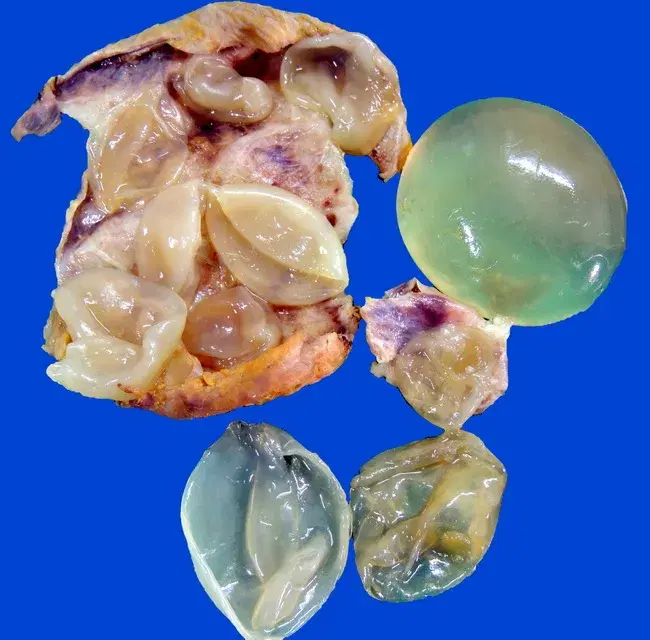

What is a Hydatid Cyst?

A hydatid cyst is a fluid-filled cyst caused by infection with the parasite Echinococcus. The disease is commonly referred to as hydatid disease or echinococcosis.

After entering the body, the parasite may travel through the bloodstream and lodge in organs, particularly the liver, where it forms cysts that gradually enlarge over time.

Organs Commonly Affected Include:
  • Liver (most common)
  • Lungs
  • Spleen
  • Kidneys
  • Brain (rare)
  • Other abdominal organs

The liver accounts for approximately 70–80% of hydatid disease cases, making treatment for hydatid cyst in liver one of the most commonly required interventions.

What Causes Hydatid Disease?

Hydatid disease is caused by infection with the Echinococcus tapeworm.

Humans become infected through accidental ingestion of parasite eggs, often through:

Common Sources of Infection
  • Contact with infected dogs
  • Consumption of contaminated food or water
  • Poor hand hygiene after handling animals
  • Exposure in livestock-rearing areas

Humans are accidental hosts and do not spread the disease to others.

Symptoms of Hydatid Cyst

Small cysts may remain silent for years and are often discovered incidentally during imaging studies.

As cysts enlarge, symptoms may develop.

Common Symptoms Include:
  • Upper abdominal pain
  • Right-sided abdominal discomfort
  • Abdominal swelling
  • Nausea and vomiting
  • Loss of appetite
  • Feeling of fullness
  • Fever (if infection occurs)
  • Jaundice (if bile ducts are compressed)

Patients with persistent symptoms should seek evaluation from a hydatid disease specialist in Delhi.

When Should You See a Specialist?

Medical attention is recommended if:
  • A liver cyst is identified on ultrasound or CT scan
  • Abdominal pain persists without explanation
  • Hydatid disease is suspected
  • A cyst increases in size during follow-up
  • Jaundice develops
  • Signs of infection occur
  • A previously diagnosed hydatid cyst becomes symptomatic

Early intervention helps prevent serious complications.

How is Hydatid Cyst Diagnosed?

Accurate diagnosis is essential for planning treatment and reducing the risk of complications.

Diagnostic Evaluation May Include:
  • Clinical Examination – Assessment of symptoms, exposure history, and risk factors.
  • Blood Tests – May detect antibodies against the parasite.
  • Ultrasound Scan – Often the first and most commonly used imaging study.
  • CT Scan – Provides detailed information regarding cyst size, location, and relationship to surrounding structures.
  • MRI Scan – Useful in selected complex cases.
  • Liver Function Tests – Performed when bile duct involvement is suspected.

Imaging plays a crucial role in determining whether surgery is required.

Possible Complications of Untreated Hydatid Cyst

Without treatment, hydatid cysts may lead to:
  • Progressive enlargement of the cyst
  • Infection of the cyst
  • Rupture into the abdomen
  • Rupture into bile ducts
  • Jaundice
  • Severe allergic reactions (anaphylaxis)
  • Secondary spread of the disease
  • Liver dysfunction

Timely hydatid cyst treatment significantly reduces these risks.

What is the Best Treatment for Hydatid Cyst?

The best treatment for hydatid cyst depends on:

  • Size of the cyst
  • Location within the liver
  • Presence of symptoms
  • Risk of rupture
  • Communication with bile ducts
  • Overall patient health
Treatment options may include:
  • Anti-parasitic medications
  • Image-guided procedures in selected cases
  • Hydatid cyst surgery
  • Liver hydatid cyst removal surgery

For large, symptomatic, complicated, or high-risk cysts, surgery is often the most definitive treatment.

When is Hydatid Cyst Surgery Required?

Hydatid cyst surgery may be recommended when:

  • The cyst is large
  • Symptoms are present
  • The cyst is infected
  • There is risk of rupture
  • The cyst communicates with bile ducts
  • Medical treatment alone is unlikely to be successful

The goal is complete removal of the disease while minimizing the risk of recurrence.

Liver Hydatid Cyst Surgery

Liver hydatid cyst surgery is performed to safely remove the cyst and prevent future complications.

Depending on the cyst location and complexity, surgery may involve:
  • Hydatid Cyst Removal Surgery – Removal of the cyst contents and treatment of the cyst cavity while preserving healthy liver tissue.

  • Partial Pericystectomy – Removal of the cyst wall along with parasitic tissue.
  • Total Pericystectomy – Complete removal of the cyst and surrounding capsule when technically feasible.
  • Liver Resection – In selected patients, a portion of the liver containing the cyst may need to be removed.

As an experienced liver cyst surgeon, Dr. Nishant Kurian tailors the surgical approach to each patient’s condition.

Hydatid Cyst Removal Surgery

Hydatid cyst removal surgery aims to:
  • Remove parasitic tissue
  • Prevent rupture
  • Avoid recurrence
  • Protect surrounding organs
  • Preserve healthy liver tissue

Special precautions are taken during surgery to prevent spillage of cyst contents and minimize the risk of recurrence or allergic reactions.

Minimally Invasive Liver Surgery for Hydatid Cysts

Many patients can now benefit from advanced minimally invasive techniques.

Laparoscopic Hydatid Cyst Surgery

Selected liver hydatid cysts can be treated using laparoscopic surgery through small incisions.

Benefits of Minimally Invasive Liver Surgery
  • Smaller incisions
  • Reduced postoperative pain
  • Less blood loss
  • Faster recovery
  • Shorter hospital stay
  • Earlier return to daily activities
  • Better cosmetic outcomes

As a top laparoscopic liver surgeon in India and minimally invasive liver surgery specialist, Dr. Nishant Kurian offers advanced laparoscopic approaches whenever appropriate.

Recovery After Hydatid Cyst Surgery

Recovery depends on the size and complexity of the cyst as well as the surgical approach used.

Following surgery:
  • Early mobilization is encouraged
  • Oral intake is gradually resumed
  • Hospital stay varies according to the procedure performed
  • Anti-parasitic medications may be continued
  • Follow-up imaging is recommended

Most patients recover well and return to normal activities within a few weeks.

Can Hydatid Disease Recur?

Recurrence is uncommon when surgery is performed properly and appropriate postoperative treatment is completed.

Regular follow-up helps ensure:
  • Complete disease clearance
  • Early detection of recurrence
  • Long-term liver health

Specialized surgical expertise significantly reduces recurrence risk.

Why Choose Dr. Nishant Kurian for Hydatid Cyst Treatment?

Dr. Nishant Kurian is an experienced hepatopancreatobiliary surgeon specializing in complex liver surgery and minimally invasive treatment of liver cysts.

Expertise Includes:
  • Hydatid cyst treatment
  • Hydatid cyst surgery
  • Echinococcosis treatment
  • Liver hydatid cyst surgery
  • Hydatid cyst removal surgery
  • Liver hydatid cyst removal surgery
  • Surgery for hydatid disease
  • Liver resection surgery
  • Minimally invasive liver surgery
  • Advanced HPB surgery

Patients seeking the best hydatid cyst surgeon, experienced hydatid cyst surgery doctor, or an expert doctor for hydatid cyst removal benefit from personalized treatment, advanced surgical technology, and evidence-based care.

Frequently Asked Questions

1

What is a hydatid cyst?

A hydatid cyst is a parasitic cyst caused by Echinococcus infection, most commonly affecting the liver.

2

What is the best treatment for hydatid cyst?

Treatment depends on the cyst size and complexity. Large or symptomatic cysts often require surgery for definitive treatment.

3

Can hydatid cysts be treated without surgery?

Some small cysts may be treated with medication or image-guided procedures, but surgery remains the preferred treatment for many patients.

4

What is liver hydatid cyst surgery?

It is a procedure performed to remove hydatid cysts from the liver while preserving healthy liver tissue.

5

Is laparoscopic surgery possible for hydatid cysts?

Yes. Many suitable patients can undergo minimally invasive laparoscopic hydatid cyst surgery with faster recovery.

6

Can a hydatid cyst burst?

Yes. Untreated cysts may rupture into the abdomen or bile ducts and cause serious complications.

7

Who should perform hydatid cyst surgery?

Hydatid cyst surgery should be performed by an experienced HPB surgeon or liver cyst surgeon with expertise in complex liver procedures.

Don’t ignore persistent pain, digestive discomfort, or hernia-related symptoms

Experience advanced laparoscopic, robotic, and gastrointestinal surgical care with Dr. Nishant Kurian, focused on precision treatment, faster recovery, and better patient outcomes.

Book An Appointment

Advanced Onco, GI Laparoscopic and Robotic Surgery in Delhi

PSRI HOSPITAL, SHEIKH SARAI PHASE 2, SAKET, NEW DELHI

drnishantkurian85@gmail.com

+91-9220878969

© 2026 www.drnishantkurian.com


    This will close in 20 seconds

    Schedule Appointment


      This will close in 0 seconds

      Call Now Button