Understand your liver condition, symptoms, causes and advanced treatment options.
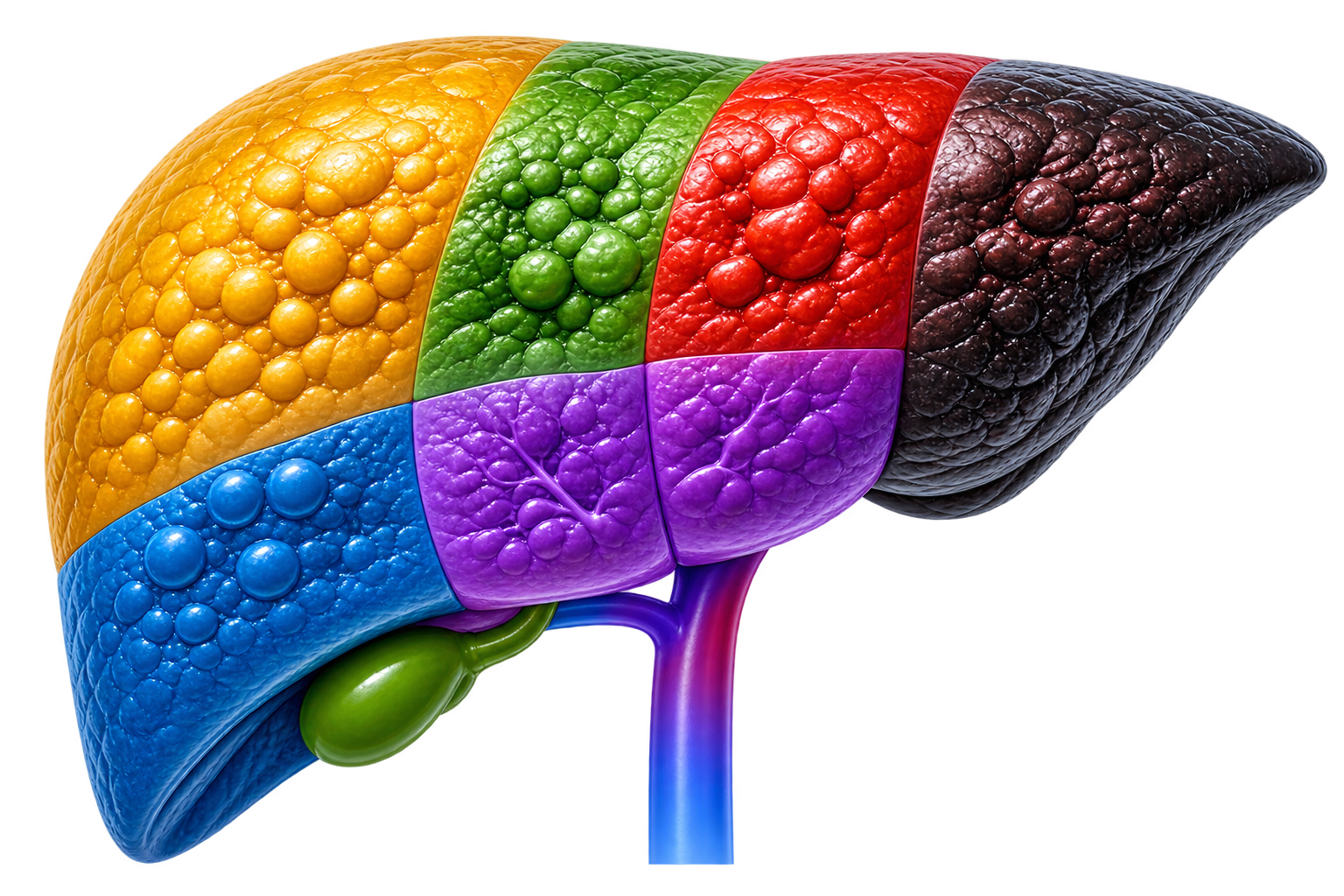
Excess fat build-up in the liver can lead to inflammation and serious complications.
Scarring of the liver tissue due to long-term damage and inflammation.
Liver cancer develops when abnormal liver cells grow uncontrollably and may require carefully planned surgical, interventional, or multidisciplinary treatment.
Cirrhosis is advanced liver scarring caused by long-term liver damage, which can gradually impair liver function and lead to serious complications.
Hepatitis is inflammation of the liver that may result from viral infections, autoimmune conditions, medications, or other causes affecting liver health.
Autoimmune hepatitis is a disease where your immune system attacks your own healthy liver cells, leading to inflammation and potential liver damage.
Liver failure occurs when the liver can no longer perform essential functions, requiring urgent assessment, supportive treatment, and sometimes transplantation.
Gallbladder cancer is a rare and aggressive malignancy that originates in the inner glandular cells of the gallbladder.
Fatty liver occurs when excess fat builds up in the liver, often linked to metabolic health, lifestyle factors (Alcohol), and other underlying conditions.
Bile duct cancer (cholangiocarcinoma) develops in the ducts carrying bile from the liver and may require complex surgery, reconstruction, or cancer-directed treatment.

Not sure which condition applies to you?
Our experts can help you identify the issue and guide you.
Minimally invasive liver surgery for faster recovery and comfort.

Liver transplantation using a healthy liver segment from a donor.
Transplantation using a donated liver from a deceased donor.

Advanced treatments for selected liver tumors without surgery.

Comprehensive assessment to determine suitability for liver transplantation.
Liver Transplant & GI Surgeon | MBBS, MS, DNB (Surgical Gastroenterology)
Acute liver failure (ALF) is a sudden loss of liver function in a patient generally with no other pre-existing liver disease, also known as fulminant hepatic failure (FHF). It occurs rapidly- with a span of a few weeks or even days and may be caused by a virus or drug. It might be simply the worsening of acute hepatitis, which becomes a serious problem and can be life-threatening, due to internal bleeding or severe brain edema leading to increased pressure in the brain. In such conditions, an urgent transplant may be the only curative, life-saving option.
Acute Liver Failure (ALF) occurs when there is a severe injury to the liver in a short span of time (usually within a few days to weeks), leading to a rapid decline in the liver function. The individuals rapidly display symptoms such as jaundice, altered mental status, dark-colored urine, and bleeding tendency.
Patients with previously undiagnosed Wilsons’ disease, acquired or reactivation of hepatitis B virus, or autoimmune hepatitis, with underlying cirrhosis, and the disease has been diagnosed for <26 weeks may also be suffering from Acute Liver failure. It needs to be carefully diagnosed and should not be confused with other liver diseases/ severe alcohol abuse.
You may be displaying symptoms such as:
As the condition worsens you may also experience disorientation and sleepiness. Other symptoms include:
ALF is a life-threatening emergency. The provision of effective intensive care support, together with the protection of the airways, is the most crucial component of the treatment for acute liver failure. The cause of a patient’s liver failure and the existence of any complications both influence the choice of treatment. Close attention must be paid to the patient’s hemodynamics and fluid management. Monitoring their metabolic parameters, checking for infections, ensuring nourishment, and quickly identifying Gastrointestinal bleeding are all critical.
With supportive care and medications, most of these patients can be effectively treated in a special Liver ICU unit, even without a liver transplant.
Understand your liver condition, symptoms, causes and advanced treatment options.
Excess fat build-up in the liver can lead to inflammation and serious complications.
Scarring of the liver tissue due to long-term damage and inflammation.
Liver cancer develops when abnormal liver cells grow uncontrollably and may require carefully planned surgical, interventional, or multidisciplinary treatment.
Cirrhosis is advanced liver scarring caused by long-term liver damage, which can gradually impair liver function and lead to serious complications.
Hepatitis is inflammation of the liver that may result from viral infections, autoimmune conditions, medications, or other causes affecting liver health.
Autoimmune hepatitis is a disease where your immune system attacks your own healthy liver cells, leading to inflammation and potential liver damage.
Liver failure occurs when the liver can no longer perform essential functions, requiring urgent assessment, supportive treatment, and sometimes transplantation.
Gallbladder cancer is a rare and aggressive malignancy that originates in the inner glandular cells of the gallbladder.
Fatty liver occurs when excess fat builds up in the liver, often linked to metabolic health, lifestyle factors (Alcohol), and other underlying conditions.
Bile duct cancer (cholangiocarcinoma) develops in the ducts carrying bile from the liver and may require complex surgery, reconstruction, or cancer-directed treatment.
Not sure which condition applies to you?
Our experts can help you identify the issue and guide you.