Understand your liver condition, symptoms, causes and advanced treatment options.
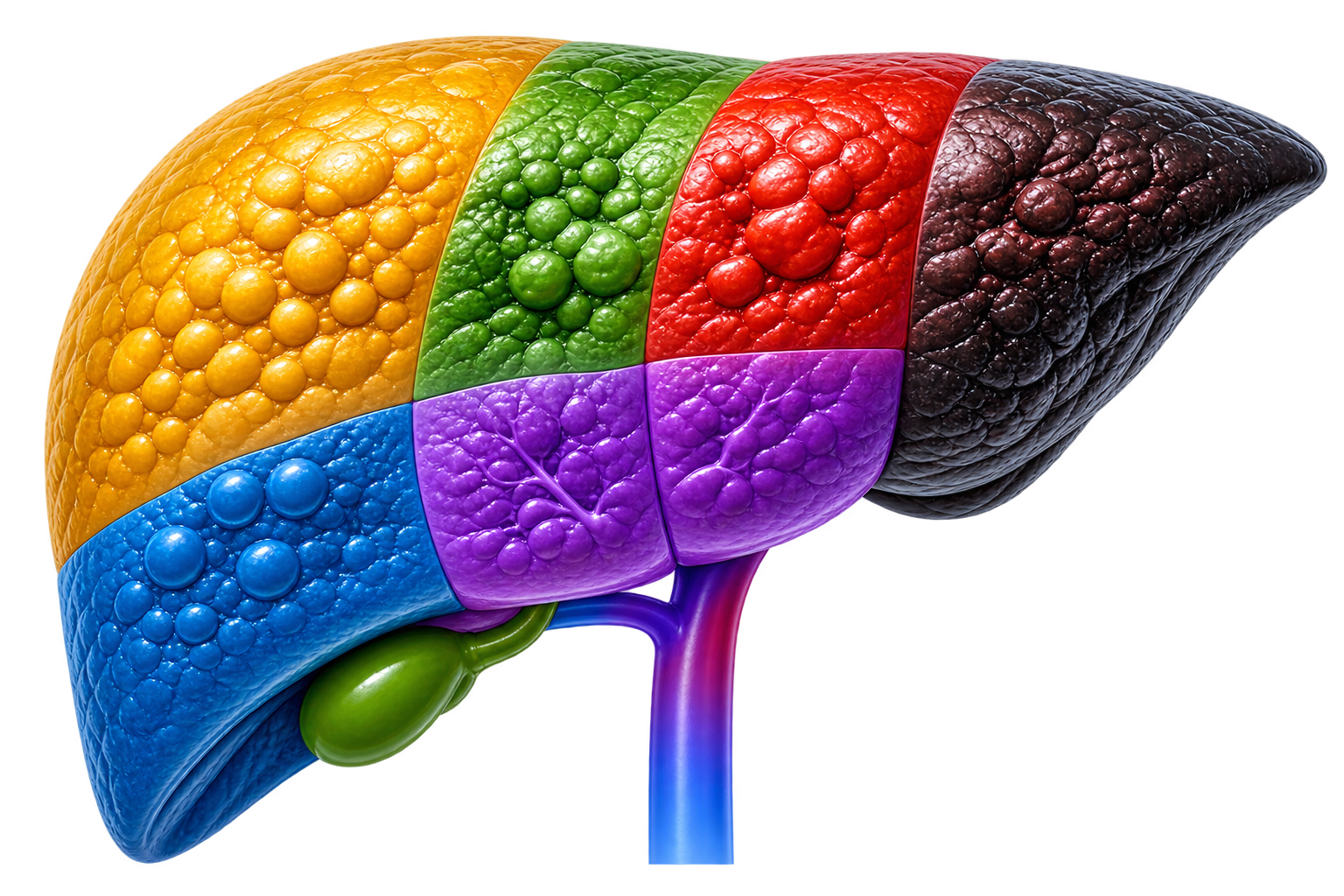
Excess fat build-up in the liver can lead to inflammation and serious complications.
Scarring of the liver tissue due to long-term damage and inflammation.
Liver cancer develops when abnormal liver cells grow uncontrollably and may require carefully planned surgical, interventional, or multidisciplinary treatment.
Cirrhosis is advanced liver scarring caused by long-term liver damage, which can gradually impair liver function and lead to serious complications.
Hepatitis is inflammation of the liver that may result from viral infections, autoimmune conditions, medications, or other causes affecting liver health.
Autoimmune hepatitis is a disease where your immune system attacks your own healthy liver cells, leading to inflammation and potential liver damage.
Liver failure occurs when the liver can no longer perform essential functions, requiring urgent assessment, supportive treatment, and sometimes transplantation.
Gallbladder cancer is a rare and aggressive malignancy that originates in the inner glandular cells of the gallbladder.
Fatty liver occurs when excess fat builds up in the liver, often linked to metabolic health, lifestyle factors (Alcohol), and other underlying conditions.
Bile duct cancer (cholangiocarcinoma) develops in the ducts carrying bile from the liver and may require complex surgery, reconstruction, or cancer-directed treatment.

Not sure which condition applies to you?
Our experts can help you identify the issue and guide you.
Minimally invasive liver surgery for faster recovery and comfort.

Liver transplantation using a healthy liver segment from a donor.
Transplantation using a donated liver from a deceased donor.

Advanced treatments for selected liver tumors without surgery.

Comprehensive assessment to determine suitability for liver transplantation.
Liver Transplant & GI Surgeon | MBBS, MS, DNB (Surgical Gastroenterology)
Gallbladder and bile duct cancer, known as cholangiocarcinoma, is a rare cancer that forms in the bile ducts or gallbladder. These ducts carry bile from the liver to the small intestine to aid digestion. Cholangiocarcinoma can develop within the liver (intrahepatic) or outside it (extrahepatic).
Location plays a key role in determining treatment and prognosis for each type.
Symptoms are often subtle, including jaundice, weight loss, and abdominal pain. Risk factors include liver disease, bile duct stones, and chronic inflammation. Early detection is key for treatment, which may involve surgery, chemotherapy, or radiation therapy.
Symptoms of cholangiocarcinoma are often subtle and can go unnoticed in its early stages, making it difficult to detect. Common signs include jaundice (yellowing of the skin and eyes), unexplained weight loss, abdominal pain, and dark urine. Risk factors include chronic liver disease, primary sclerosing cholangitis (a disease that affects the bile ducts), bile duct stones, and certain genetic conditions. Additionally, long-term inflammation of the bile ducts can increase the risk of developing this cancer.
Diagnosis often involves imaging tests like CT scans, MRIs, or ultrasounds, and may require biopsies to confirm the presence of cancerous cells. Cholangiocarcinoma is typically treated through surgery, especially if detected early. However, in more advanced cases, treatments like chemotherapy, radiation therapy, or targeted therapy may be employed to manage the disease.
Given the rarity and complexity of gallbladder and bile duct cancer, early diagnosis and treatment are crucial for improving survival rates. Awareness of symptoms and risk factors can help in early detection, leading to better outcomes.
Understand your liver condition, symptoms, causes and advanced treatment options.
Excess fat build-up in the liver can lead to inflammation and serious complications.
Scarring of the liver tissue due to long-term damage and inflammation.
Liver cancer develops when abnormal liver cells grow uncontrollably and may require carefully planned surgical, interventional, or multidisciplinary treatment.
Cirrhosis is advanced liver scarring caused by long-term liver damage, which can gradually impair liver function and lead to serious complications.
Hepatitis is inflammation of the liver that may result from viral infections, autoimmune conditions, medications, or other causes affecting liver health.
Autoimmune hepatitis is a disease where your immune system attacks your own healthy liver cells, leading to inflammation and potential liver damage.
Liver failure occurs when the liver can no longer perform essential functions, requiring urgent assessment, supportive treatment, and sometimes transplantation.
Gallbladder cancer is a rare and aggressive malignancy that originates in the inner glandular cells of the gallbladder.
Fatty liver occurs when excess fat builds up in the liver, often linked to metabolic health, lifestyle factors (Alcohol), and other underlying conditions.
Bile duct cancer (cholangiocarcinoma) develops in the ducts carrying bile from the liver and may require complex surgery, reconstruction, or cancer-directed treatment.
Not sure which condition applies to you?
Our experts can help you identify the issue and guide you.