Liver Transplant FAQ’s

Best Liver Transplant Surgeon in India

Liver Transplant & GI Surgeon | MBBS, MS, DNB (Surgical Gastroenterology)

A liver transplant is the procedure of replacing old, damaged liver with a new one. It provides the patient with a new life. The procedure is quite complex, but it is necessary to safeguard the life of the patient.

Liver transplant can be of two types, based on the origin of the liver.

Living donor transplant: When a donor is a living person, we only take a part of the liver to ensure the safety of both, the donor as well as the recipient.

Deceased donor transplant: When the donor is the person who is technically dead or brain dead, then we take the whole organ. It is then termed a deceased donor transplant.

A liver transplant may be recommended when you are suffering from an end-stage liver disorder and is a serious, life-threatening disease. It can be caused by several factors like consuming alcohol, autoimmune diseases, excess intake of medicines, etc. Cirrhosis is a common cause of end-stage liver disease.

People who need it may be facing Acute Liver Failure or Chronic Liver Failure. Acute liver failure is a condition, in which liver is damaged suddenly, while patient had a healthy liver before getting that disease. Chronic liver disease is a condition, in which patient is suffering from liver disease for a longer duration. usually, they have this disease for years, and they have ailing liver with variety of symptoms like ascites, jaundice, swelling of feet, gastro-intestinal bleed, encephalopathy. Such patient can be managed for some duration with help of life-style modification and medical management.

There are certain globally accepted criteria to define the severity of the disease, like Child Pugh score, MELD in chronic liver disease and King’s college criteria in acute liver failure. Once these criteria are fulfilled, benefits of doing a liver transplantation are more than just continuing medical management.

Liver transplant surgically replaces a failing or deceased liver with a healthy one. At this point the liver is so damaged that no machine can do its function, leaving transplant as the only option.

The following are the qualifications and requirements of a liver donor:

  • Compatible blood group with the recipient.
  • A family member or close relative of the patient.
  • Family friends, well wishers and neighbors are not accepted as donors.
  • Must be of age group 18 – 55yrs.
  • Not overweight, as overweight people may have a fatty liver.
  • The donor’s liver should be large and healthy enough to provide adequately for both the patient and the donor.
  • Donor must be in good overall physical and mental health and must undergo thorough medical and psychological evaluation, while fully understanding the risks of the surgery.

India is the best choice for liver transplant surgery for the following reasons:

  • Pricing in India is just a fraction of the money charged in most developed countries for the exact same treatment.
  • The price may be less but the treatment, expertise of liver transplant surgeons, and technology used is not compromised with a 95% success rate.

Patients that undergo liver transplantation are given anti rejection medication called immunosuppression in order to prevent the patient’s body and immune system from rejecting the transplanted organ. The patient and their family are explained in detail about the medication and its side affects prior to the surgery as well as before discharge. The medication is for lifetime; the dosages may be reduced over a period of time but cannot be stopped entirely. Patients are advised against self medication and dosage should not be missed.

The cost of liver transplant in India can range from 20 -30 lakhs, which includes the post surgery evaluation, the surgery and post surgery recovery period. There are certain things such as organ recovery and transport, length of stay at hospital, any health complications, recovery and rehabilitation that can affect the cost of the liver transplant.

Liver transplant is a highly successful treatment in India with a in hospital survival rate of 95% , meaning that out of 100 liver transplant patients , 95 recovery fully and go ahead to live full and healthy lives.

After the transplantation has been successful most patients lead a comfortable and healthy life, returning to their daily routines after about 2-3 months of surgery.

Most can return to daily activities and healthy exercise after three months, but an advised to avoid contact sports such as boxing and rock climbing for about 6 months after the surgery. Patients that were in severe condition before the surgery may take a longer period of time.

Patients can return to driving after 2 months of the surgery but are advised against driving after taking pain medication as they may contain narcotics.

Sexual activities can be resumed once the person is comfortable, mostly after 1 month for the donor and 2-3 months for the recipient.

For women it is advised not to conceive until 6 months after the transplant for the donor and 12 months for the patient. Women planning on conceiving or breast feeding are further advised to discuss with their transplant team and gynecologist.

Schedule Consultation

Explore Liver Conditions

Understand your liver condition, symptoms, causes and advanced treatment options.
Liver Diseases

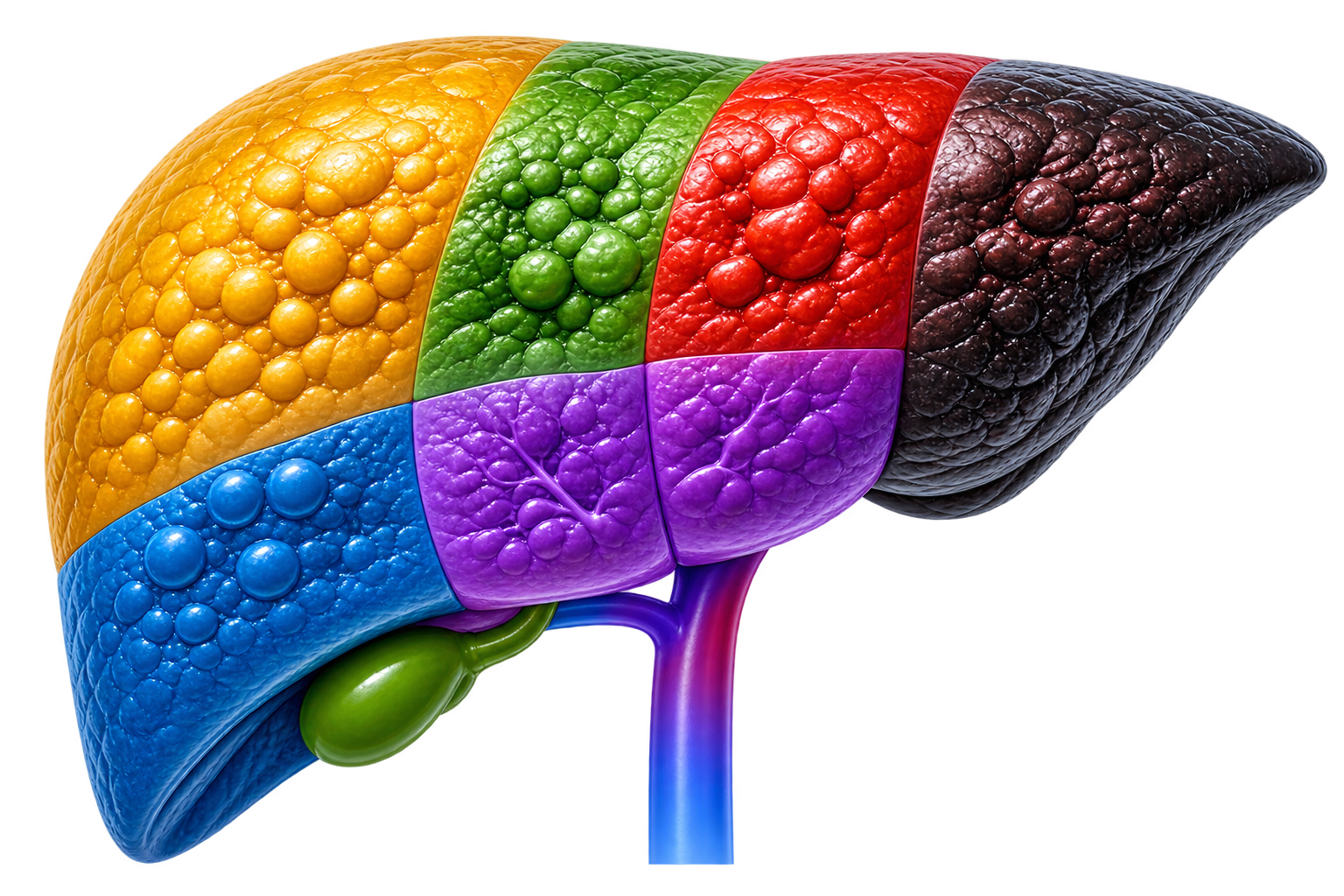
Excess fat build-up in the liver can lead to inflammation and serious complications.

Chronic Liver Disease

Scarring of the liver tissue due to long-term damage and inflammation.

Liver Cancer

Liver cancer develops when abnormal liver cells grow uncontrollably and may require carefully planned surgical, interventional, or multidisciplinary treatment.

Liver cirrhosis

Cirrhosis is advanced liver scarring caused by long-term liver damage, which can gradually impair liver function and lead to serious complications.

Liver Hepatitis

Hepatitis is inflammation of the liver that may result from viral infections, autoimmune conditions, medications, or other causes affecting liver health.

Autoimmune hepatitis

Autoimmune hepatitis is a disease where your immune system attacks your own healthy liver cells, leading to inflammation and potential liver damage.

Acute Liver Failure

Liver failure occurs when the liver can no longer perform essential functions, requiring urgent assessment, supportive treatment, and sometimes transplantation.

Gall Bladder Cancer

Gallbladder cancer is a rare and aggressive malignancy that originates in the inner glandular cells of the gallbladder.

Fatty Liver

Fatty liver occurs when excess fat builds up in the liver, often linked to metabolic health, lifestyle factors (Alcohol), and other underlying conditions.

Bile Duct Cancer

Bile duct cancer (cholangiocarcinoma) develops in the ducts carrying bile from the liver and may require complex surgery, reconstruction, or cancer-directed treatment.

Not sure which condition applies to you?

Our experts can help you identify the issue and guide you.