Understand your liver condition, symptoms, causes and advanced treatment options.
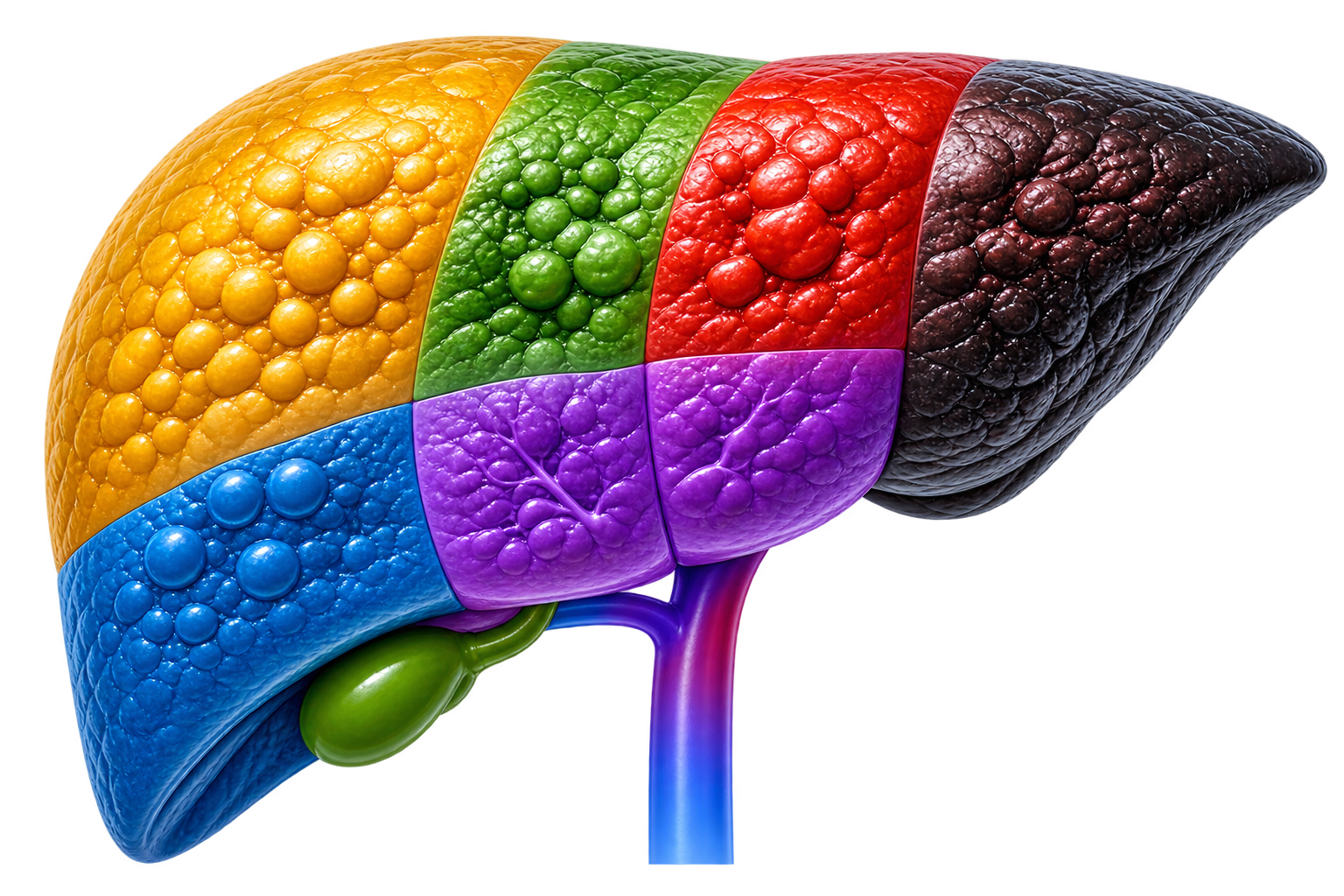
Excess fat build-up in the liver can lead to inflammation and serious complications.
Scarring of the liver tissue due to long-term damage and inflammation.
Liver cancer develops when abnormal liver cells grow uncontrollably and may require carefully planned surgical, interventional, or multidisciplinary treatment.
Cirrhosis is advanced liver scarring caused by long-term liver damage, which can gradually impair liver function and lead to serious complications.
Hepatitis is inflammation of the liver that may result from viral infections, autoimmune conditions, medications, or other causes affecting liver health.
Autoimmune hepatitis is a disease where your immune system attacks your own healthy liver cells, leading to inflammation and potential liver damage.
Liver failure occurs when the liver can no longer perform essential functions, requiring urgent assessment, supportive treatment, and sometimes transplantation.
Gallbladder cancer is a rare and aggressive malignancy that originates in the inner glandular cells of the gallbladder.
Fatty liver occurs when excess fat builds up in the liver, often linked to metabolic health, lifestyle factors (Alcohol), and other underlying conditions.
Bile duct cancer (cholangiocarcinoma) develops in the ducts carrying bile from the liver and may require complex surgery, reconstruction, or cancer-directed treatment.

Not sure which condition applies to you?
Our experts can help you identify the issue and guide you.
Minimally invasive liver surgery for faster recovery and comfort.

Liver transplantation using a healthy liver segment from a donor.
Transplantation using a donated liver from a deceased donor.

Advanced treatments for selected liver tumors without surgery.

Comprehensive assessment to determine suitability for liver transplantation.
Liver Transplant & GI Surgeon | MBBS, MS, DNB (Surgical Gastroenterology)
Liver cirrhosis is a chronic liver disease, in which scar tissues develop on the liver surface and prevent normal functioning. It disrupts blood flow and slows the ability of the liver to process nutrients, hormones, and toxins.
Cirrhosis can be life-threatening because of irreversible scarring. The symptoms can be none to very mild in an early stage. But as the disease progresses over time, there is an accumulation of fibrous scar tissue that replaces the healthy liver tissue. Regenerative nodules may also form as the liver tries to heal itself.
Cirrhosis can be seen in the advanced stages of Non-alcoholic fatty liver disease and various other conditions which lead to liver damage. Mostly the scarring caused by Cirrhosis cannot be reversed, but proper treatment can help keep it under check. Hepatitis B & C, long-term alcohol abuse, excess of toxic substances like copper or iron in the liver, etc. can be other causes apart from NAFLD.
A lot of times symptoms are not visible until cirrhosis has progressed. The symptoms become visible because the scarring reaches a point where the liver fails to function normally. Limiting its ability to:
Some of the symptoms include:
The course of treatment to be taken is determined by how badly the liver is injured. Most important goal is to preserve the healthy tissue that is left.
Depending on how well the liver is functioning, there are two stages the symptoms of Cirrhosis fall into: compensated and decompensated cirrhosis. The course of treatment depends on the stage a person is in.
Your doctor will ask you to undergo various tests and physical examinations looking at your past medical history. You may have tests such as:
You might have to undergo various imaging tests as advised by your doctor. Namely:
If the diagnostic tests suggest that you have been suffering from Liver Cirrhosis your doctor may suggest a treatment plan with various options to slow down the progression of scar tissue buildup and prevention/treatment of any other health issue. Cirrhosis is a progressive disease, so the liver damage can sometimes reverse or improve if whatever is triggering it is gone.
Treatment depends upon the stage of cirrhosis, it’s mainly medical in the compensated stage. There is no permanent cure for chronic liver disease as damage to the liver is irreversible. Most of the treatment is based on the removal of offending agents, precautions to slow down the damage, and prevention and treatment of complications. Such patients are advised to stop drinking alcohol, and offending medications and are suggested to take a balanced, healthy, low-fat diet.
Lifestyle modifications: Changing your lifestyle can not cure cirrhosis completely, but can definitely stop it from getting worse. Dietary changes must be made, including cutting back on calories and avoiding fast food, soda, and big meals. You need to prefer to drink lot of liquids if doctors allows, including enough fruits and vegetables in your diet, avoiding drinking too much alcohol, and engaging in daily exercise. Following the doctor’s recommendations for eating wholesome foods and boosting physical activity is crucial.
Diuretics: To be taken in consultation with doctors. It boosts urine production, which further aids in eliminating any excess water and salt content.
Ammonia Reducer: To be taken in consultation with doctors. It aids in lowering the body’s ammonia levels and stabilizes its effects.
Beta Blocker: To be taken in consultation with doctors. Beta blockers can help reduce the pressure on the eyes when used as eye drops. It even helps in bringing down the patient’s heart rate and blood pressure.
Antibiotics and Antiviral Drugs: To be taken in consultation with doctors if patient has Hepatitis B or Hepatitis C.
But if Cirrhosis has reached a point where treatment is not enough, the patient has to go through a transplant.
Understand your liver condition, symptoms, causes and advanced treatment options.
Excess fat build-up in the liver can lead to inflammation and serious complications.
Scarring of the liver tissue due to long-term damage and inflammation.
Liver cancer develops when abnormal liver cells grow uncontrollably and may require carefully planned surgical, interventional, or multidisciplinary treatment.
Cirrhosis is advanced liver scarring caused by long-term liver damage, which can gradually impair liver function and lead to serious complications.
Hepatitis is inflammation of the liver that may result from viral infections, autoimmune conditions, medications, or other causes affecting liver health.
Autoimmune hepatitis is a disease where your immune system attacks your own healthy liver cells, leading to inflammation and potential liver damage.
Liver failure occurs when the liver can no longer perform essential functions, requiring urgent assessment, supportive treatment, and sometimes transplantation.
Gallbladder cancer is a rare and aggressive malignancy that originates in the inner glandular cells of the gallbladder.
Fatty liver occurs when excess fat builds up in the liver, often linked to metabolic health, lifestyle factors (Alcohol), and other underlying conditions.
Bile duct cancer (cholangiocarcinoma) develops in the ducts carrying bile from the liver and may require complex surgery, reconstruction, or cancer-directed treatment.
Not sure which condition applies to you?
Our experts can help you identify the issue and guide you.