Understand your liver condition, symptoms, causes and advanced treatment options.
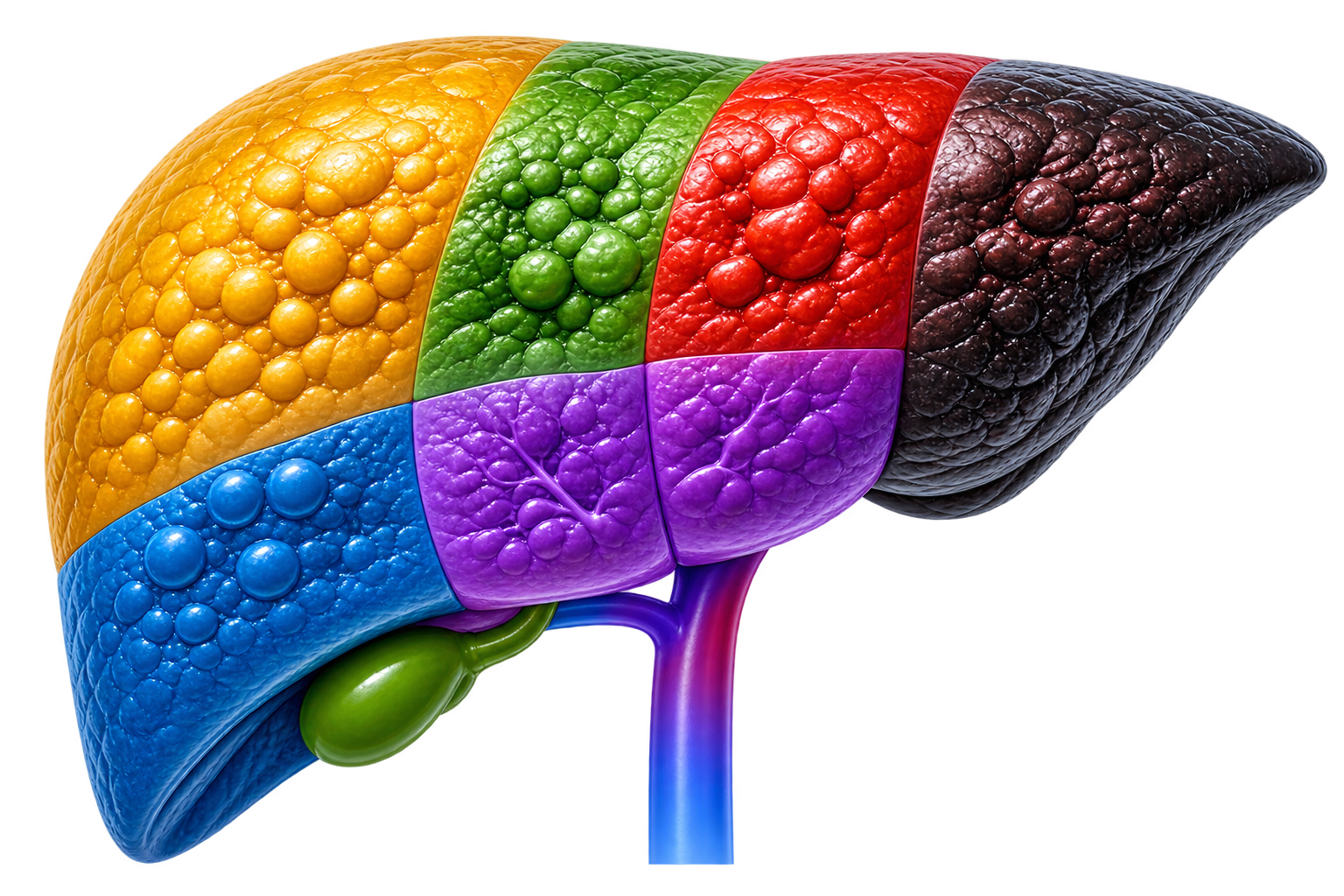
Excess fat build-up in the liver can lead to inflammation and serious complications.
Scarring of the liver tissue due to long-term damage and inflammation.
Liver cancer develops when abnormal liver cells grow uncontrollably and may require carefully planned surgical, interventional, or multidisciplinary treatment.
Cirrhosis is advanced liver scarring caused by long-term liver damage, which can gradually impair liver function and lead to serious complications.
Hepatitis is inflammation of the liver that may result from viral infections, autoimmune conditions, medications, or other causes affecting liver health.
Autoimmune hepatitis is a disease where your immune system attacks your own healthy liver cells, leading to inflammation and potential liver damage.
Liver failure occurs when the liver can no longer perform essential functions, requiring urgent assessment, supportive treatment, and sometimes transplantation.
Gallbladder cancer is a rare and aggressive malignancy that originates in the inner glandular cells of the gallbladder.
Fatty liver occurs when excess fat builds up in the liver, often linked to metabolic health, lifestyle factors (Alcohol), and other underlying conditions.
Bile duct cancer (cholangiocarcinoma) develops in the ducts carrying bile from the liver and may require complex surgery, reconstruction, or cancer-directed treatment.

Not sure which condition applies to you?
Our experts can help you identify the issue and guide you.
Minimally invasive liver surgery for faster recovery and comfort.

Liver transplantation using a healthy liver segment from a donor.

Transplantation using a donated liver from a deceased donor.

Advanced treatments for selected liver tumors without surgery.

Comprehensive assessment to determine suitability for liver transplantation.
Liver Transplant & GI Surgeon | MBBS, MS, DNB (Surgical Gastroenterology)
Inflammation of the liver is generally referred to as Hepatitis. A number of viruses (viral hepatitis), substances, medications, alcohol, certain genetic abnormalities, an overactive immune system that mistakenly attacks the liver (autoimmune hepatitis), and other factors can result in liver inflammation. Hepatitis can be Chronic, which is a long-term condition that typically causes more modest symptoms and increasing liver damage, or Acute, which flares up quickly and then goes away.
Acute Hepatitis is a result of liver inflammation caused by a viral attack. The inflammation impacts liver function such as nutrient processing, blood filtration, etc. Initially many people with hepatitis do not display any symptoms and thus are unaware of the infection. Symptoms with an acute infection occur between 2 weeks to 6 months after being infected. These symptoms might be relatively mild and would go away in a few days or weeks.
Acute Hepatitis is caused by infection with a virus (viral hepatitis A, B, C, D, or E), Overdose of drugs (such as acetaminophen, paracetamol), chemical exposure (such as dry-cleaning chemicals, and some wild mushrooms), heavy alcohol abuse, toxins, and certain medical conditions too.
It is important to understand the correct cause of hepatitis in order to treat it correctly. Doctors will have to conduct a variety of tests to diagnose the situation correctly. The tests include:
Treatment: The most common infectious causes of acute hepatitis are hepatitis A and E, which typically have a self-limited clinical course and resolve in 2 to 4 weeks with supportive therapy such as IV fluids, antiemetics, and symptomatic medication. Alcohol, other drugs that can be hepatotoxic, as well as over-the-counter supplements, should be avoided by patients. They should also be educated on the transmission of infections to others.
People might not recover fully from acute hepatitis and develop chronic hepatitis, as the liver continues to sustain more damage and inflammation. Hepatitis is considered chronic if symptoms persist for more than six months. Chronic hepatitis can last for a year. Common causes can include hepatitis B and C viruses and certain drugs.
Most people affected with Chronic Hepatitis may not show symptoms until it starts affecting liver function. Some common symptoms include:
Due to the fact that chronic hepatitis typically does not display any early signs, the condition is frequently identified by a regular blood test. If your doctor thinks you could have chronic hepatitis, they may check you for jaundice, soreness in the abdomen (particularly in the right upper corner, which is where the liver is), and indications of fluid that collect in the abdomen during liver failure.
Diagnostic procedures might include:
Treatment of chronic hepatitis focuses on preventing the conditions to worsen further or progressing to cirrhosis and liver failure. It also aims at the treatment of the cause and more complicated situations, such as ascites and hepatic encephalopathy, in people with cirrhosis.
Antiviral medicines are used to treat chronic hepatitis B and C. The success rates for the newest medications are quite high. Unless blood tests reveal you are already immune to these viruses, those with hepatitis C should get the hepatitis A and B vaccines. Hepatitis A or B symptoms can become more severe in you than in someone who does not have hepatitis C.
Medication-related Chronic hepatitis requires a change in the drug causing it. Doctors advise making changes to one’s lifestyle, most notably abstaining from alcohol if alcohol is the root cause. Overall a healthy lifestyle, with a balanced diet and good physical exercise can be of great help.
Understand your liver condition, symptoms, causes and advanced treatment options.
Excess fat build-up in the liver can lead to inflammation and serious complications.
Scarring of the liver tissue due to long-term damage and inflammation.
Liver cancer develops when abnormal liver cells grow uncontrollably and may require carefully planned surgical, interventional, or multidisciplinary treatment.
Cirrhosis is advanced liver scarring caused by long-term liver damage, which can gradually impair liver function and lead to serious complications.
Hepatitis is inflammation of the liver that may result from viral infections, autoimmune conditions, medications, or other causes affecting liver health.
Autoimmune hepatitis is a disease where your immune system attacks your own healthy liver cells, leading to inflammation and potential liver damage.
Liver failure occurs when the liver can no longer perform essential functions, requiring urgent assessment, supportive treatment, and sometimes transplantation.
Gallbladder cancer is a rare and aggressive malignancy that originates in the inner glandular cells of the gallbladder.
Fatty liver occurs when excess fat builds up in the liver, often linked to metabolic health, lifestyle factors (Alcohol), and other underlying conditions.
Bile duct cancer (cholangiocarcinoma) develops in the ducts carrying bile from the liver and may require complex surgery, reconstruction, or cancer-directed treatment.
Not sure which condition applies to you?
Our experts can help you identify the issue and guide you.