Liver Cancer

Best Liver Transplant Surgeon in India

Liver Transplant & GI Surgeon | MBBS, MS, DNB (Surgical Gastroenterology)

What is Liver Cancer?

Liver cancer, as can be understood from the name, is a type of cancer that begins in the liver cells. Hepatocellular carcinoma, the most common type of liver cancer, develops in the cells of the liver known as Hepatocytes. Primary liver cancer is caused due to prevalence of hepatitis caused by virus causing chronic hepatitis. Primary liver cancer is commonly caused by chronic infection with diseases like hepatitis B & C, alcohol abuse, cirrhosis. According to statistics, more than half of those with liver cancer also have cirrhosis. Most of the patient can be incidentally detected to have liver cancer on the routine ultrasound and CT Scan, i.e. they don’t have any symptoms. Others can have vague symptoms like fever, fatigue, chills, and night sweats. Patients with advanced disease can have symptoms of liver failure like pain and swelling of abdomen, few patients may have unexpected weight loss, jaundice, itching, swelling of the feet, and loss of appetite.

Types of Liver Cancer

Following are the four major types:

  • Hepatocellular Carcinoma: It is also known as hepatoma and makes up roughly 75% of all liver cancer cases. It begins in the hepatocytes (type of liver cells) and can spread from the liver to other organs like the pancreas, intestines, and stomach. The risk of developing hepatocellular carcinoma is increased in people whose alcohol addiction has severely damaged their liver.
  • Cholangiocarcinoma: Commonly known as bile duct cancer as it occurs in the liver’s bile ducts. Bile is a digestive aid that is transported from the liver to the gallbladder via small tubes called bile ducts. Extrahepatic bile duct cancer, on the other hand, is cancer that begins in the parts of the bile ducts outside the liver. Cancer that begins in the parts of the bile ducts inside the liver is known as intrahepatic bile duct cancer.
  • Liver Angiosarcoma: It is a relatively uncommon type of liver cancer that begins in the blood vessels of the liver and spreads quickly. Thus, early diagnosis is relatively difficult. It is usually detected at an advanced stage, making treatment very challenging.
  • Hepatoblastoma: The majority of cases of this rarest type of liver cancer occur in infants under the age of three.
Liver Cancer Treatment Options
  • Ablation (Microwave ablation/ radiofrequency ablation): This treatment procedure can be used with patients whose tumor is small or surgery is not a viable option. High energy waves are then passed into the tumor through the probe which in turn heats and destroys the cancer cells.
  • Embolization and Chemoembolization: In this procedure, chemotherapy drugs and a mixture of oil and small particles are injected into the artery which supplies blood to the tumor. This blocks the supply of blood and oxygen to it and also ensures that the chemotherapy medications stay in the liver for a more extended period of time.
  • Hepatectomy: Also known as liver resection, it is a surgical treatment to remove a portion of the liver in case of liver disease. As long as the remaining portion of the liver is healthy, up to two-thirds of it can be removed. Our liver is a regenerative organ which means the remaining part will enlarge to its previous size if it is healthy.
  • Liver Transplant: In is procedure, a diseased liver is transplanted and replaced by a healthy liver from the donor. When the cancer is contained to the liver and has not progressed to other tissues or organs, only then liver transplant performed.
  • Radiation Therapy: This method of treatment involves using high-energy rays (or particles) to destroy cancer cells. But it might not be considered a viable option for patients whose liver is already damaged due to conditions such as hepatitis or cirrhosis. This procedure is either performed externally where the radiation from an outside source is focused on cancer or internally where small radioactive beads are injected into the hepatic artery which in turn give off small amounts of radiation.
  • Targeted Therapy: This method of cancer treatment involves drugs that identify and attack precisely cancer cells leaving out healthy cells. Targeted therapy can be used individually or in combination with other cancer treatments. This procedure is preferred in case cancer has spread to other parts of the body or surgery isn’t possible right away because of the tumor’s size and its proximity to important blood vessels.

Not all the treatment options are open for all the patients with various degree of liver cancers. The final treatment is decided based on the liver functions, liver cancer stage. It spreads in the liver. It involvement of the Liver Bashers and spreads outside the liver. So the final treatment is decided or, individualized based on the patient condition and cancer status.

Schedule Consultation

Explore Liver Conditions

Understand your liver condition, symptoms, causes and advanced treatment options.
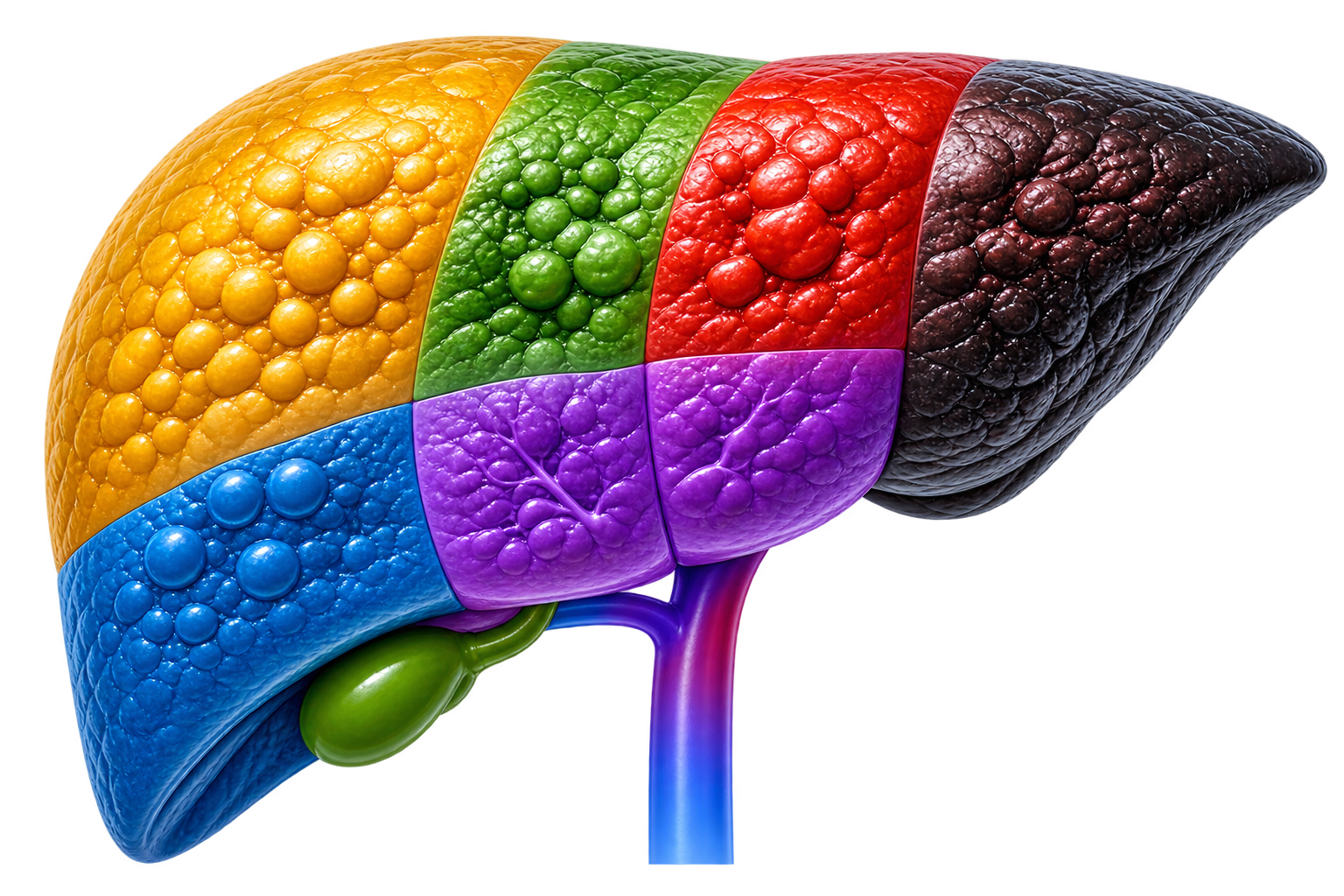
Liver Diseases

Excess fat build-up in the liver can lead to inflammation and serious complications.

Chronic Liver Disease

Scarring of the liver tissue due to long-term damage and inflammation.

Liver Cancer

Liver cancer develops when abnormal liver cells grow uncontrollably and may require carefully planned surgical, interventional, or multidisciplinary treatment.

Liver cirrhosis

Cirrhosis is advanced liver scarring caused by long-term liver damage, which can gradually impair liver function and lead to serious complications.

Liver Hepatitis

Hepatitis is inflammation of the liver that may result from viral infections, autoimmune conditions, medications, or other causes affecting liver health.

Autoimmune hepatitis

Autoimmune hepatitis is a disease where your immune system attacks your own healthy liver cells, leading to inflammation and potential liver damage.

Acute Liver Failure

Liver failure occurs when the liver can no longer perform essential functions, requiring urgent assessment, supportive treatment, and sometimes transplantation.

Gall Bladder Cancer

Gallbladder cancer is a rare and aggressive malignancy that originates in the inner glandular cells of the gallbladder.

Fatty Liver

Fatty liver occurs when excess fat builds up in the liver, often linked to metabolic health, lifestyle factors (Alcohol), and other underlying conditions.

Bile Duct Cancer

Bile duct cancer (cholangiocarcinoma) develops in the ducts carrying bile from the liver and may require complex surgery, reconstruction, or cancer-directed treatment.

Not sure which condition applies to you?

Our experts can help you identify the issue and guide you.