Understand your liver condition, symptoms, causes and advanced treatment options.
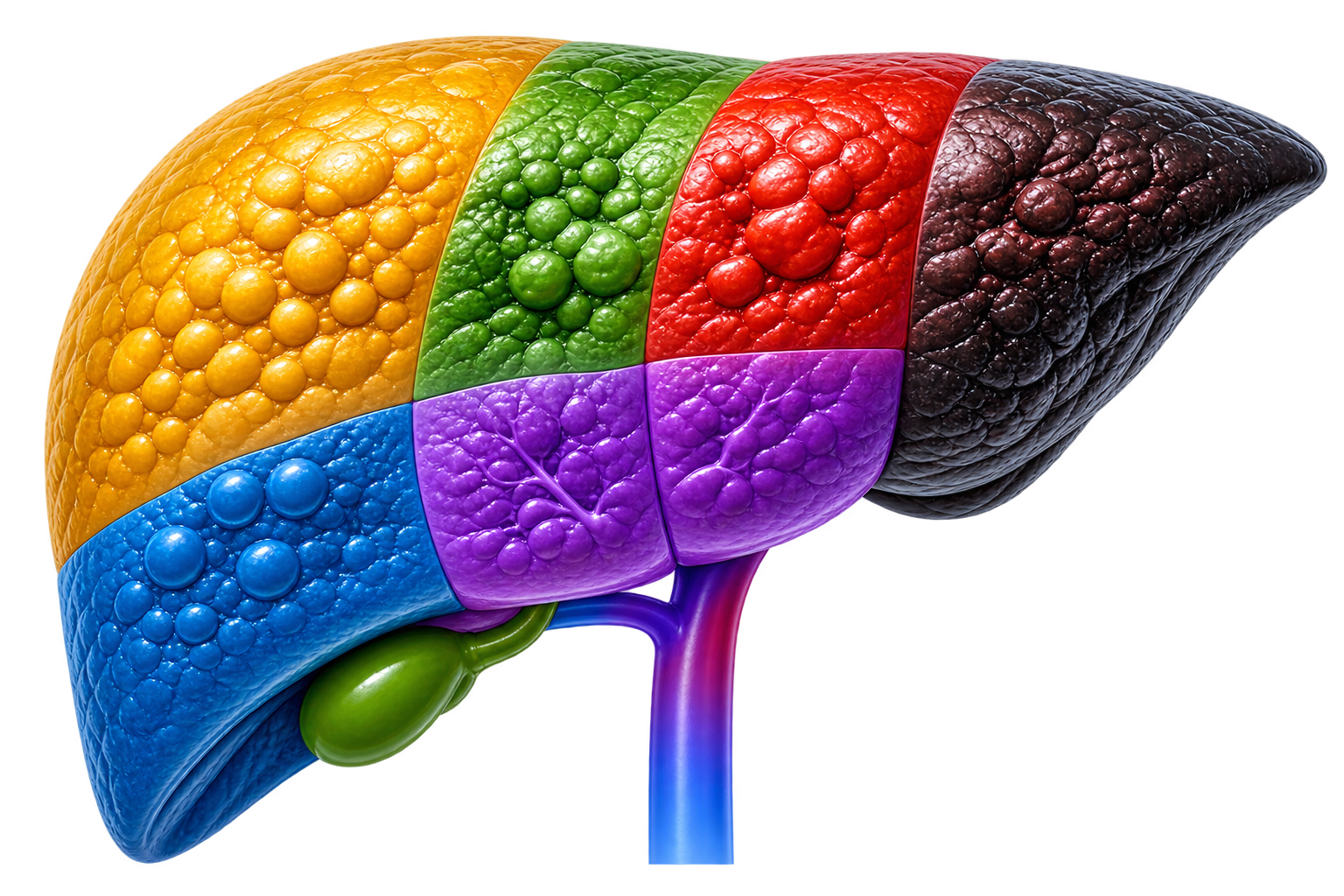
Excess fat build-up in the liver can lead to inflammation and serious complications.
Scarring of the liver tissue due to long-term damage and inflammation.
Liver cancer develops when abnormal liver cells grow uncontrollably and may require carefully planned surgical, interventional, or multidisciplinary treatment.
Cirrhosis is advanced liver scarring caused by long-term liver damage, which can gradually impair liver function and lead to serious complications.
Hepatitis is inflammation of the liver that may result from viral infections, autoimmune conditions, medications, or other causes affecting liver health.
Autoimmune hepatitis is a disease where your immune system attacks your own healthy liver cells, leading to inflammation and potential liver damage.
Liver failure occurs when the liver can no longer perform essential functions, requiring urgent assessment, supportive treatment, and sometimes transplantation.
Gallbladder cancer is a rare and aggressive malignancy that originates in the inner glandular cells of the gallbladder.
Fatty liver occurs when excess fat builds up in the liver, often linked to metabolic health, lifestyle factors (Alcohol), and other underlying conditions.
Bile duct cancer (cholangiocarcinoma) develops in the ducts carrying bile from the liver and may require complex surgery, reconstruction, or cancer-directed treatment.

Not sure which condition applies to you?
Our experts can help you identify the issue and guide you.
Minimally invasive liver surgery for faster recovery and comfort.

Liver transplantation using a healthy liver segment from a donor.
Transplantation using a donated liver from a deceased donor.

Advanced treatments for selected liver tumors without surgery.

Comprehensive assessment to determine suitability for liver transplantation.
Liver Transplant & GI Surgeon | MBBS, MS, DNB (Surgical Gastroenterology)
A liver transplant is a procedure in which a sick or malfunctioning liver is replaced with all or part of a healthy liver that has been donated. Mostly a healthy liver comes from a deceased organ donor. And sometimes a living person in good health might donate a part of their liver. The donor might be a family member or someone whose blood group is an adequate match.
The most likely condition for a transplant is liver cirrhosis. Alcohol consumption, Hepatitis A, B, and C, and Non-Alcoholic Fatty Liver Disease are the main causes of cirrhosis (NAFLD).
You can understand whether you need a liver transplant or not via your Child-Turcotte-Pugh (CTP), Model for End-Stage Liver Disease (MELD) and Pediatric End-stage Liver Disease (PELD) score. You can consult our team to understand these scores and get a better understanding with personalized recommendations.
Given below are some of the major issues with liver transplants:
Every patient in need of a liver transplant must undergo a thorough assessment. When you are referred to the Liver Transplant Program by your specialist or a member of our team, the assessment phase begins.
To go ahead with a transplant, You must be diagnosed and recommended by our experts or be referred by your clinician to the Liver Transplant Program. Each and every patient goes through a preliminary assessment after which a decision is reached for the transplantation process. A detailed analysis of your personal, medical, and family history is compiled through the process. The aim is to achieve :
Moreover, you’ll get information that will assist you in deciding whether you want to proceed with the transplant.
Consultations with the transplant team, which consists of a hepatologist, transplant surgeon, clinical coordinator, social worker, dietitian, and psychologist, are routine assessments. Appointments with experts from other fields are also made as needed.
There will be a need for constant monitoring after surgery for infections and liver rejection. You will also need to take a number of medications to guard against rejection and common infections following your transplant.
Understand your liver condition, symptoms, causes and advanced treatment options.
Excess fat build-up in the liver can lead to inflammation and serious complications.
Scarring of the liver tissue due to long-term damage and inflammation.
Liver cancer develops when abnormal liver cells grow uncontrollably and may require carefully planned surgical, interventional, or multidisciplinary treatment.
Cirrhosis is advanced liver scarring caused by long-term liver damage, which can gradually impair liver function and lead to serious complications.
Hepatitis is inflammation of the liver that may result from viral infections, autoimmune conditions, medications, or other causes affecting liver health.
Autoimmune hepatitis is a disease where your immune system attacks your own healthy liver cells, leading to inflammation and potential liver damage.
Liver failure occurs when the liver can no longer perform essential functions, requiring urgent assessment, supportive treatment, and sometimes transplantation.
Gallbladder cancer is a rare and aggressive malignancy that originates in the inner glandular cells of the gallbladder.
Fatty liver occurs when excess fat builds up in the liver, often linked to metabolic health, lifestyle factors (Alcohol), and other underlying conditions.
Bile duct cancer (cholangiocarcinoma) develops in the ducts carrying bile from the liver and may require complex surgery, reconstruction, or cancer-directed treatment.
Not sure which condition applies to you?
Our experts can help you identify the issue and guide you.