Understand your liver condition, symptoms, causes and advanced treatment options.
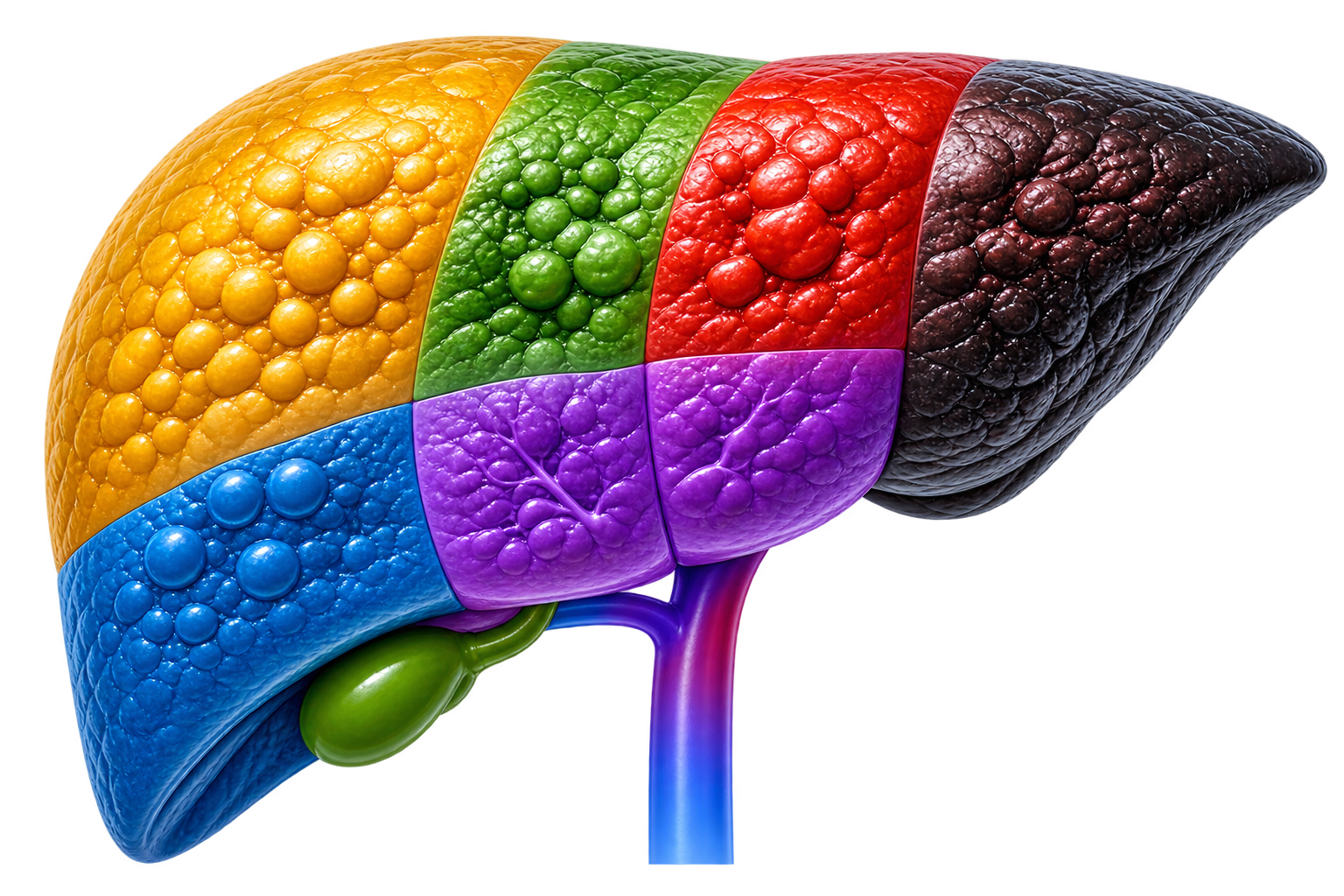
Excess fat build-up in the liver can lead to inflammation and serious complications.
Scarring of the liver tissue due to long-term damage and inflammation.
Liver cancer develops when abnormal liver cells grow uncontrollably and may require carefully planned surgical, interventional, or multidisciplinary treatment.
Cirrhosis is advanced liver scarring caused by long-term liver damage, which can gradually impair liver function and lead to serious complications.
Hepatitis is inflammation of the liver that may result from viral infections, autoimmune conditions, medications, or other causes affecting liver health.
Autoimmune hepatitis is a disease where your immune system attacks your own healthy liver cells, leading to inflammation and potential liver damage.
Liver failure occurs when the liver can no longer perform essential functions, requiring urgent assessment, supportive treatment, and sometimes transplantation.
Gallbladder cancer is a rare and aggressive malignancy that originates in the inner glandular cells of the gallbladder.
Fatty liver occurs when excess fat builds up in the liver, often linked to metabolic health, lifestyle factors (Alcohol), and other underlying conditions.
Bile duct cancer (cholangiocarcinoma) develops in the ducts carrying bile from the liver and may require complex surgery, reconstruction, or cancer-directed treatment.

Not sure which condition applies to you?
Our experts can help you identify the issue and guide you.
Minimally invasive liver surgery for faster recovery and comfort.

Liver transplantation using a healthy liver segment from a donor.
Transplantation using a donated liver from a deceased donor.

Advanced treatments for selected liver tumors without surgery.

Comprehensive assessment to determine suitability for liver transplantation.
Liver Transplant & GI Surgeon | MBBS, MS, DNB (Surgical Gastroenterology)
As most of the patients are coming from outside city and also from other countries, the medical history is reviewed, video consultation is done, the investigations are reviewed. The severity of the disease is determined by symptoms, blood investigations and Ultrasound abdomen, which would guide if patient can be managed with medication alone or would be more benefited by liver transplantation. Once ensured that patient deserves liver transplant, patient and family members are counselled regarding the evaluation and are guided appropriately by team to plan further to make a personal visit to the hospital. They are guided about the measures to identify potential donors among their relatives/family members. They are also conveyed about the expected length of stay in India, nearby the hospital, expected expenses involved.
The final decision for going ahead for transplant is made after their meeting with Dr Punit Singla, everything is reviewed and a physical examination is done. The planning for the patient evaluation would be as follows, which guide not only about current status but also to optimize the condition of the patient.
Both of them, donor and recipient undergo thorough checkup by superspecialist in respective fields, i.e. Cardiology for heart, Pulmonologist for chest, Transplant Anesthetist; who guide them about optimizing their health conditions.
After the complete evaluation and assessment, both cases are reviewed and discussed among the core team members. They re-determine the requirement of the liver transplant, evaluate the risks involved and possible optimizable factors, make surgical planning and counsel the patient and family about the case, treatment plan, the risk factors and expected prognosis.
Every transplant can be done only after permission by authorization committee as per THOA 1994 act.
Once approved for transplant, if no living donor is present, the patient will be placed on the national waiting list. The wait may be anywhere from less than a month to five years, depend on the severity of the patient’s condition and availability of donors.
Understand your liver condition, symptoms, causes and advanced treatment options.
Excess fat build-up in the liver can lead to inflammation and serious complications.
Scarring of the liver tissue due to long-term damage and inflammation.
Liver cancer develops when abnormal liver cells grow uncontrollably and may require carefully planned surgical, interventional, or multidisciplinary treatment.
Cirrhosis is advanced liver scarring caused by long-term liver damage, which can gradually impair liver function and lead to serious complications.
Hepatitis is inflammation of the liver that may result from viral infections, autoimmune conditions, medications, or other causes affecting liver health.
Autoimmune hepatitis is a disease where your immune system attacks your own healthy liver cells, leading to inflammation and potential liver damage.
Liver failure occurs when the liver can no longer perform essential functions, requiring urgent assessment, supportive treatment, and sometimes transplantation.
Gallbladder cancer is a rare and aggressive malignancy that originates in the inner glandular cells of the gallbladder.
Fatty liver occurs when excess fat builds up in the liver, often linked to metabolic health, lifestyle factors (Alcohol), and other underlying conditions.
Bile duct cancer (cholangiocarcinoma) develops in the ducts carrying bile from the liver and may require complex surgery, reconstruction, or cancer-directed treatment.
Not sure which condition applies to you?
Our experts can help you identify the issue and guide you.