Fatty Liver Disease

Best Liver Transplant Surgeon in India

Liver Transplant & GI Surgeon | MBBS, MS, DNB (Surgical Gastroenterology)

When Fat Builds Up in the Liver, Early Action Can Make a Difference

When Fat Builds Up in the Liver

Fatty liver disease occurs when excess fat accumulates in the liver. It can develop silently, without obvious symptoms, and may range from simple fat accumulation to inflammation and liver damage.

Today, fatty liver is increasingly associated with metabolic health, including excess weight, insulin resistance, type 2 diabetes, abnormal cholesterol and triglycerides, and high blood pressure.

The encouraging part? Fatty liver can often be managed—and in many people, liver health can improve significantly with timely intervention and sustainable lifestyle changes.

What Is Fatty Liver?

A healthy liver contains some fat. When excess fat accumulates in the liver, it is known as fatty liver disease.

The condition is now commonly described as Metabolic Dysfunction-Associated Steatotic Liver Disease (MASLD) when it is associated with metabolic risk factors.

Fatty liver may remain mild and stable, but in some people it can progress to inflammation, fibrosis (scarring), cirrhosis and, in advanced cases, liver failure or liver cancer.

The important message: Fatty liver is not always harmless—and because it can be silent, identifying it early matters.

Why Does Fatty Liver Happen?

Fatty liver is closely connected to the way the body handles fat, sugar and insulin.

Common Causes & Risk Factors

  • Excess body weight
  • Insulin resistance
  • Type 2 diabetes
  • High triglycerides
  • Abnormal cholesterol
  • High blood pressure
  • Sedentary lifestyle
  • Excess added sugar
  • Metabolic syndrome
  • Certain medications
  • Genetic factors

Fatty liver can also occur for causes other than metabolic dysfunction. Your liver specialist can evaluate the underlying cause rather than assuming every case is the same.

Symptoms of Fatty Liver

The Problem: It Can Be Silent

Many people with fatty liver have few or no symptoms. This means you can have liver fat accumulation without knowing it.

When symptoms do occur, they may include:

  • Persistent fatigue
  • Low energy
  • Abdominal discomfort
  • Discomfort in the upper-right abdomen

Because symptoms may be absent, liver health may sometimes be discovered during routine blood tests or imaging performed for another reason.

Don’t Wait for Symptoms

If you have metabolic risk factors, abnormal liver enzymes, or an imaging report showing fatty liver, discussing the findings with a doctor can help determine whether further evaluation is appropriate.

Is Fatty Liver a Serious Condition?

It can be – but not every case progresses.

Some people have fat accumulation with little or no liver damage. Others develop inflammation and progressive scarring.

A more advanced form involving inflammation and liver injury is called MASH (Metabolic Dysfunction-Associated Steatohepatitis).

Over time, progressive liver damage may lead to:

Fat accumulation → Inflammation → Fibrosis → Cirrhosis → Liver Failure

Advanced liver disease can also increase the risk of liver cancer.

Early identification and appropriate management can help reduce the risk of progression.

Fatty Liver in Children

Yes, Children Can Develop Fatty Liver Too

Fatty liver is no longer only an adult concern.

MASLD/NAFLD can occur in children and adolescents, particularly in association with excess weight, insulin resistance, type 2 diabetes and other metabolic risk factors. It has become an important cause of chronic liver disease in children.

Why Parents Should Pay Attention

Children with fatty liver may have few or no symptoms. When symptoms occur, tiredness or discomfort in the upper-right abdomen may be noticed.

Risk factors can include:

  • Excess weight
  • Insulin resistance
  • Type 2 diabetes
  • High triglycerides
  • Abnormal cholesterol
  • High blood pressure
  • Low physical activity
  • High-sugar diet
  • Family history

Other causes of fatty liver can occur in children as well, so medical evaluation is important rather than assuming the cause.

A Family Approach Works Better

Managing fatty liver in a child should focus on healthy growth and long-term habits, not crash diets or rapid weight loss.

Healthy family meals, fewer sugar-sweetened beverages, appropriate portions, regular physical activity and medical follow-up can all form part of a child’s care plan. For children who are overweight, doctors may recommend gradual weight management while supporting normal growth and development.

How Is Fatty Liver Diagnosed?

Fatty liver cannot always be identified from symptoms alone.

Your doctor may consider:

Medical Evaluation: Review of medical history, family history, lifestyle and metabolic risk factors.

Blood Tests: Liver enzymes and other blood tests may help assess liver health and identify associated metabolic conditions.

Liver Imaging: Ultrasound or other imaging techniques may be used to detect liver fat and evaluate the liver.

Fibrosis Assessment: Additional tests may be recommended to assess whether liver scarring is present.

Further Evaluation: In selected cases, more advanced testing or liver biopsy may be considered.

There is no single test that answers every question. The appropriate evaluation depends on the individual patient.

Fatty Liver Treatment

Treatment Starts With Understanding the Cause

There is no one-size-fits-all treatment for fatty liver.

The treatment plan depends on the amount of liver fat, the presence of inflammation or fibrosis, associated metabolic conditions and the patient’s overall health.

Lifestyle Modification: Healthy eating habits and regular physical activity are fundamental components of fatty liver management.

Weight Management: For people with overweight or obesity, gradual and medically appropriate weight management can reduce liver fat and may improve inflammation and fibrosis.

Metabolic Health: Managing diabetes, insulin resistance, cholesterol, triglycerides and blood pressure can be an important part of protecting liver health.

Treating Advanced Disease: Patients with significant fibrosis, cirrhosis or complications require specialist management and regular monitoring.

Advanced Liver Care: When liver disease progresses to advanced liver failure, liver transplantation may become a consideration for appropriately selected patients.

For children, treatment primarily focuses on healthy lifestyle changes and appropriate weight management under medical supervision; currently, there are no medicines specifically approved to treat pediatric NAFLD/MASLD.

How Can You Control Fatty Liver?

Small Changes. Consistent Habits. Healthier Liver.

Choose Better Foods: Build meals around vegetables, fruits, whole grains, pulses and appropriate protein while limiting highly processed foods and excess added sugars.

Cut Sugary Drinks: Regular consumption of sugar-sweetened beverages can contribute to metabolic risk. Choose water and other healthier options more often.

Stay Physically Active: Regular physical activity can benefit liver and metabolic health—even when weight loss is not the primary outcome.

Manage Metabolic Conditions: Keep diabetes, blood pressure, cholesterol and triglycerides under appropriate medical supervision.

Avoid Unnecessary Supplements: “Liver detox” products and herbal supplements are not automatically safe. Some supplements can actually harm the liver, so discuss them with your doctor before use.

Monitor Your Liver: If fatty liver has already been detected, follow-up helps determine whether the condition is stable, improving or progressing.

Can Fatty Liver Be Reversed?

In many people, liver fat can decrease substantially when the underlying metabolic and lifestyle factors are addressed.

The goal isn’t simply to “lose weight.” It is to improve overall metabolic health and protect the liver from progressive damage.

The right approach depends on your individual condition, so avoid extreme diets or self-directed treatments. A liver specialist can help identify the cause, assess the degree of liver involvement and create an appropriate management plan.

When Should You See a Liver Specialist?

Consider medical evaluation if you have:

  • Fatty liver on ultrasound
  • Persistently abnormal liver enzymes
  • Diabetes or insulin resistance
  • High triglycerides or cholesterol
  • Excess weight with metabolic risk factors
  • Unexplained fatigue
  • Upper abdominal discomfort
  • A family history of significant liver disease

Early evaluation can help identify liver damage before complications develop.

Your Liver Deserves Attention Before It Sends a Warning

Fatty liver may begin quietly – but that doesn’t mean it should be ignored.

Whether you are an adult with metabolic risk factors or a parent concerned about your child’s liver health, understanding the cause and assessing the liver early can make a meaningful difference.

Take the First Step Toward Better Liver Health

Consult an experienced liver specialist to understand your liver health, assess your risk and explore the right care pathway for you.

Frequently Asked Questions
1

What is fatty liver disease?

Fatty liver disease occurs when excess fat accumulates in the liver. When associated with metabolic dysfunction, it is commonly called MASLD.

2

Can fatty liver cause symptoms?

Often it causes few or no symptoms. Some people may experience fatigue or discomfort in the upper-right abdomen.

3

Can children get fatty liver?

Yes. Fatty liver/MASLD can occur in children and adolescents, particularly in association with metabolic risk factors.

4

Is fatty liver reversible?

Liver fat can often improve when the underlying metabolic and lifestyle factors are appropriately addressed. The degree of improvement varies between individuals.

5

Does fatty liver always become cirrhosis?

No. Many people do not progress to advanced liver disease. However, some develop inflammation and fibrosis, which can progress to cirrhosis.

6

What should I do if an ultrasound shows fatty liver?

Discuss the finding with your doctor. Further assessment may be appropriate to understand the cause, evaluate liver health and determine whether fibrosis or other liver conditions are present.

7

Can fatty liver occur without obesity?

Yes. Body weight is only one factor. Metabolic health, genetics, medications and other medical conditions can also contribute to fatty liver.

8

What is MASH?

MASH is metabolic dysfunction-associated steatohepatitis—a form of fatty liver disease involving liver inflammation and injury in addition to fat accumulation.

Schedule Consultation

Explore Liver Conditions

Understand your liver condition, symptoms, causes and advanced treatment options.
Liver Diseases

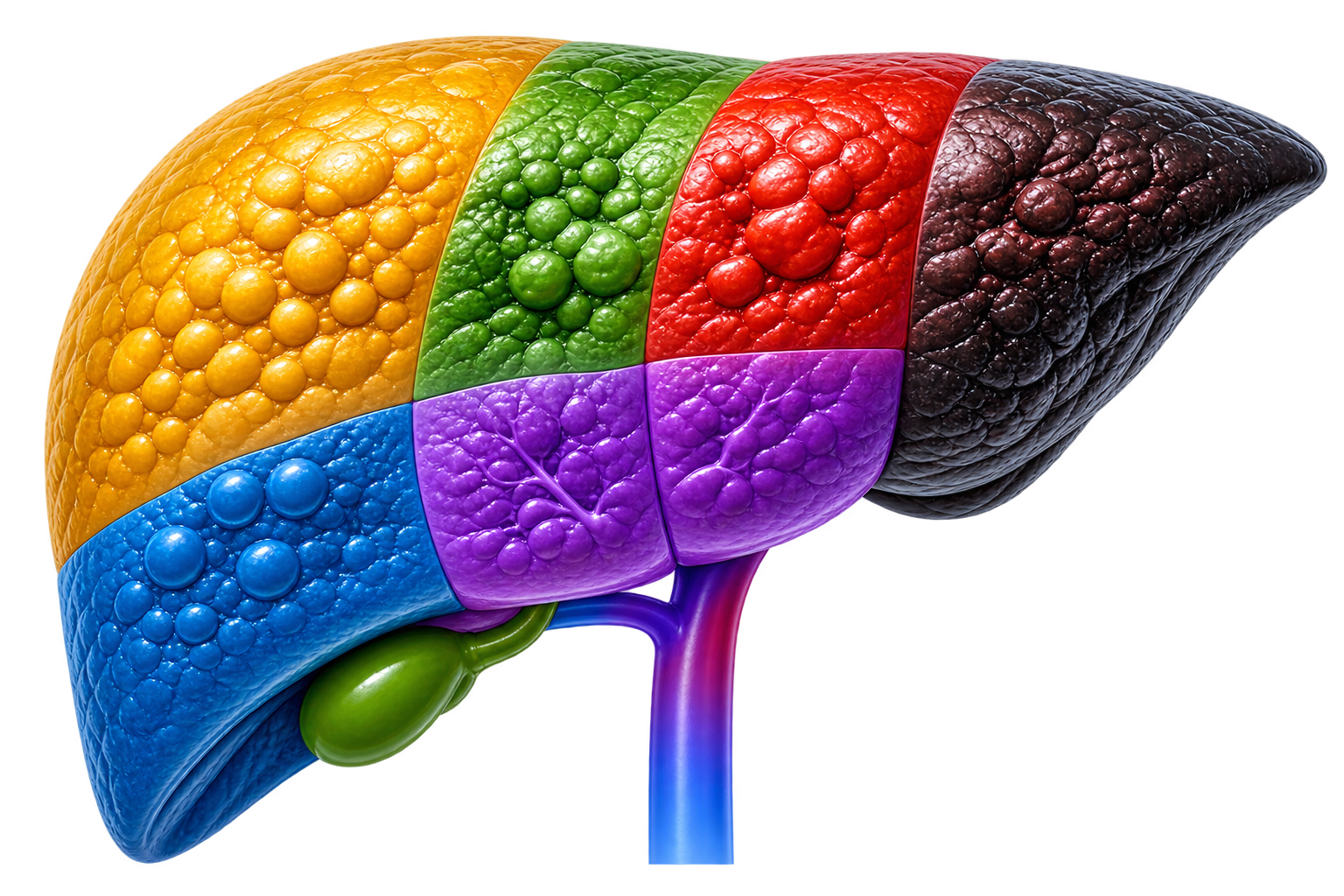
Excess fat build-up in the liver can lead to inflammation and serious complications.

Chronic Liver Disease

Scarring of the liver tissue due to long-term damage and inflammation.

Liver Cancer

Liver cancer develops when abnormal liver cells grow uncontrollably and may require carefully planned surgical, interventional, or multidisciplinary treatment.

Liver cirrhosis

Cirrhosis is advanced liver scarring caused by long-term liver damage, which can gradually impair liver function and lead to serious complications.

Liver Hepatitis

Hepatitis is inflammation of the liver that may result from viral infections, autoimmune conditions, medications, or other causes affecting liver health.

Autoimmune hepatitis

Autoimmune hepatitis is a disease where your immune system attacks your own healthy liver cells, leading to inflammation and potential liver damage.

Acute Liver Failure

Liver failure occurs when the liver can no longer perform essential functions, requiring urgent assessment, supportive treatment, and sometimes transplantation.

Gall Bladder Cancer

Gallbladder cancer is a rare and aggressive malignancy that originates in the inner glandular cells of the gallbladder.

Fatty Liver

Fatty liver occurs when excess fat builds up in the liver, often linked to metabolic health, lifestyle factors (Alcohol), and other underlying conditions.

Bile Duct Cancer

Bile duct cancer (cholangiocarcinoma) develops in the ducts carrying bile from the liver and may require complex surgery, reconstruction, or cancer-directed treatment.

Not sure which condition applies to you?

Our experts can help you identify the issue and guide you.