Understand your liver condition, symptoms, causes and advanced treatment options.
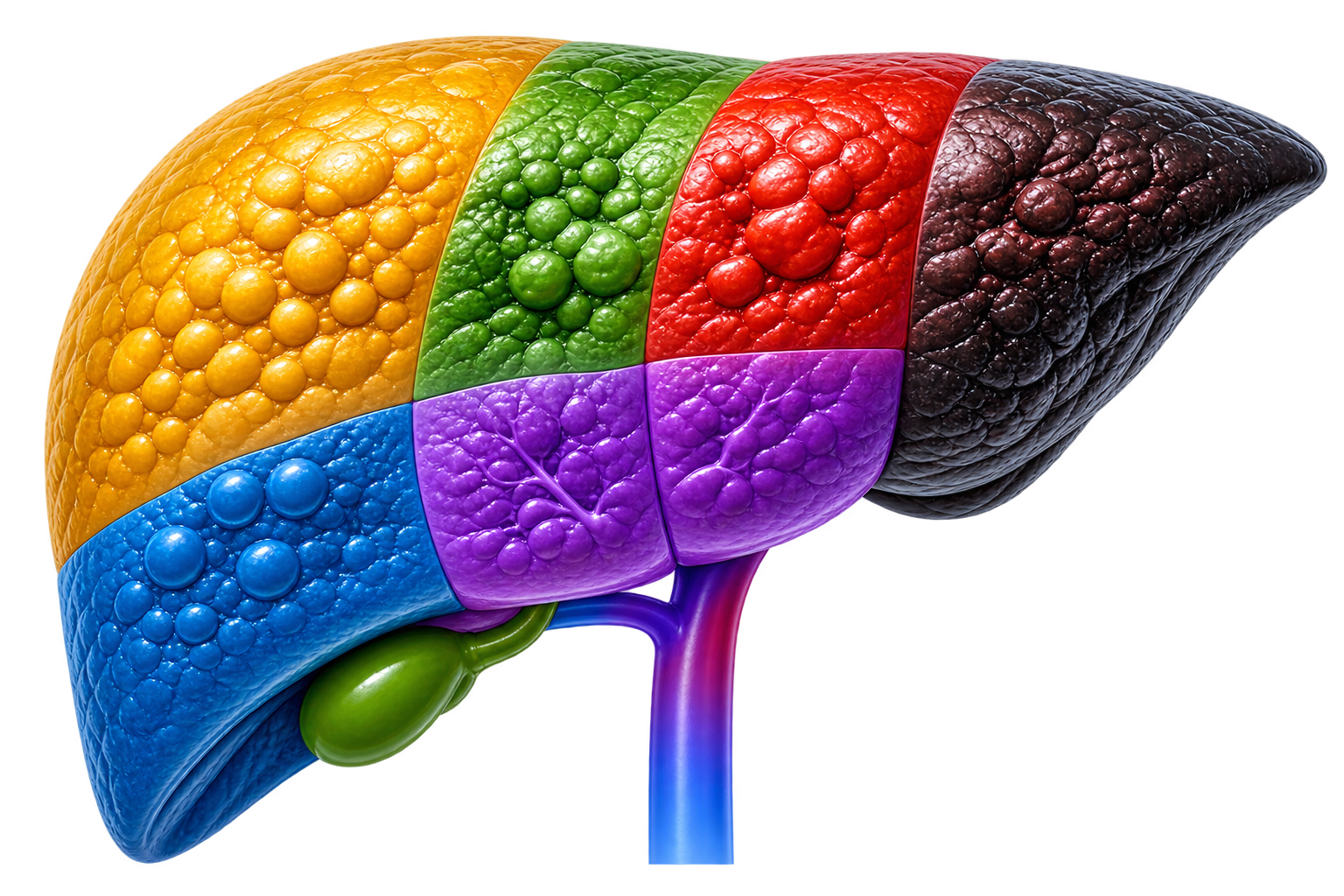
Excess fat build-up in the liver can lead to inflammation and serious complications.
Scarring of the liver tissue due to long-term damage and inflammation.
Liver cancer develops when abnormal liver cells grow uncontrollably and may require carefully planned surgical, interventional, or multidisciplinary treatment.
Cirrhosis is advanced liver scarring caused by long-term liver damage, which can gradually impair liver function and lead to serious complications.
Hepatitis is inflammation of the liver that may result from viral infections, autoimmune conditions, medications, or other causes affecting liver health.
Autoimmune hepatitis is a disease where your immune system attacks your own healthy liver cells, leading to inflammation and potential liver damage.
Liver failure occurs when the liver can no longer perform essential functions, requiring urgent assessment, supportive treatment, and sometimes transplantation.
Gallbladder cancer is a rare and aggressive malignancy that originates in the inner glandular cells of the gallbladder.
Fatty liver occurs when excess fat builds up in the liver, often linked to metabolic health, lifestyle factors (Alcohol), and other underlying conditions.
Bile duct cancer (cholangiocarcinoma) develops in the ducts carrying bile from the liver and may require complex surgery, reconstruction, or cancer-directed treatment.

Not sure which condition applies to you?
Our experts can help you identify the issue and guide you.
Minimally invasive liver surgery for faster recovery and comfort.

Liver transplantation using a healthy liver segment from a donor.
Transplantation using a donated liver from a deceased donor.

Advanced treatments for selected liver tumors without surgery.

Comprehensive assessment to determine suitability for liver transplantation.
Liver Transplant & GI Surgeon | MBBS, MS, DNB (Surgical Gastroenterology)
Nearly one-third of American adults have fatty liver disease, and many don’t even know it. Fatty liver disease is a condition in which fat accumulates in the liver, and can eventually lead to cirrhosis, or irreversible scarring of the liver. While there is no cure for fatty liver disease, making some simple lifestyle changes can help to reverse the condition.
Cutting out sugar and refined carbs is one of the most important things you can do to reverse fatty liver disease. Sugar promotes insulin resistance, which is a major factor in the development of non-alcoholic fatty liver disease. Replacing sugary drinks with water or unsweetened tea and coffee, and swapping out processed snacks for whole foods like nuts will help to keep your blood sugar levels in check. Make sure to get plenty of fiber by eating plenty of fruits, vegetables, and whole grains. Eating more omega-3 fatty acids, which are found in fish, nuts, and seeds can help the body use insulin better.
Exercise is also crucial for reversing fatty liver disease. Exercise helps to improve insulin sensitivity, reduces inflammation, and helps to promote healthy weight loss. Aim for at least 30 minutes of moderate exercise most days of the week. If you’re just starting out, try adding 10-15 minutes of walking or other light activity to your daily routine.
In addition to making lifestyle changes, it’s also important to manage any underlying health conditions that may be contributing to your fatty liver disease. If you have diabetes, high cholesterol, or high blood pressure, work with your healthcare team to get these conditions under control. By making some simple changes and taking care of your overall.
Understand your liver condition, symptoms, causes and advanced treatment options.
Excess fat build-up in the liver can lead to inflammation and serious complications.
Scarring of the liver tissue due to long-term damage and inflammation.
Liver cancer develops when abnormal liver cells grow uncontrollably and may require carefully planned surgical, interventional, or multidisciplinary treatment.
Cirrhosis is advanced liver scarring caused by long-term liver damage, which can gradually impair liver function and lead to serious complications.
Hepatitis is inflammation of the liver that may result from viral infections, autoimmune conditions, medications, or other causes affecting liver health.
Autoimmune hepatitis is a disease where your immune system attacks your own healthy liver cells, leading to inflammation and potential liver damage.
Liver failure occurs when the liver can no longer perform essential functions, requiring urgent assessment, supportive treatment, and sometimes transplantation.
Gallbladder cancer is a rare and aggressive malignancy that originates in the inner glandular cells of the gallbladder.
Fatty liver occurs when excess fat builds up in the liver, often linked to metabolic health, lifestyle factors (Alcohol), and other underlying conditions.
Bile duct cancer (cholangiocarcinoma) develops in the ducts carrying bile from the liver and may require complex surgery, reconstruction, or cancer-directed treatment.
Not sure which condition applies to you?
Our experts can help you identify the issue and guide you.