Lorem Ipsum is simply dumy text of the printing typesetting industry lorem ipsum.
Advanced Laparoscopic & Robotic Hernia Surgery by Dr. Nishant Kurian at PSRI Hospital, Saket
Experiencing swelling, pain, or discomfort in the groin area? It may be an inguinal hernia (groin hernia), a common condition that can gradually worsen if left untreated.
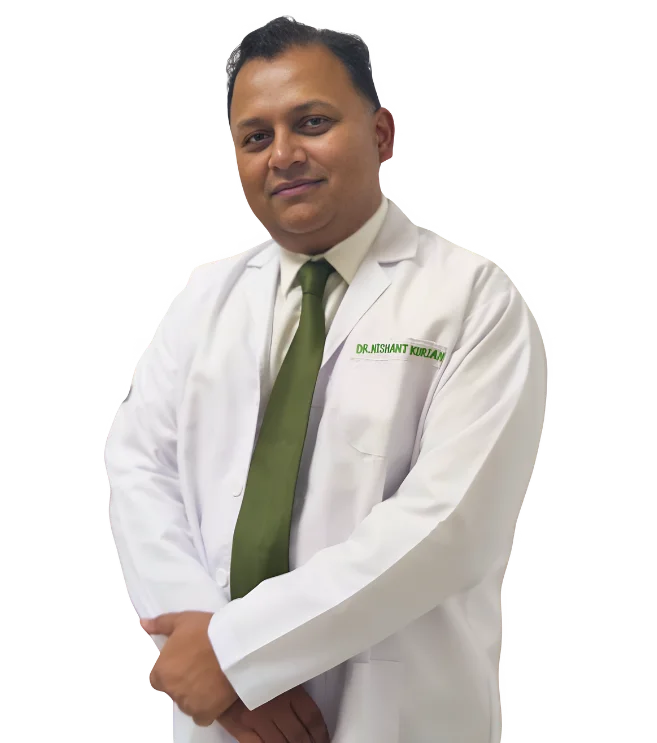
Dr. Nishant Kurian, Consultant in the Department of Surgical Gastroenterology at PSRI Hospital, Saket, Delhi, offers advanced laparoscopic and robotic hernia surgery focused on faster recovery, minimal pain, and reduced scarring.
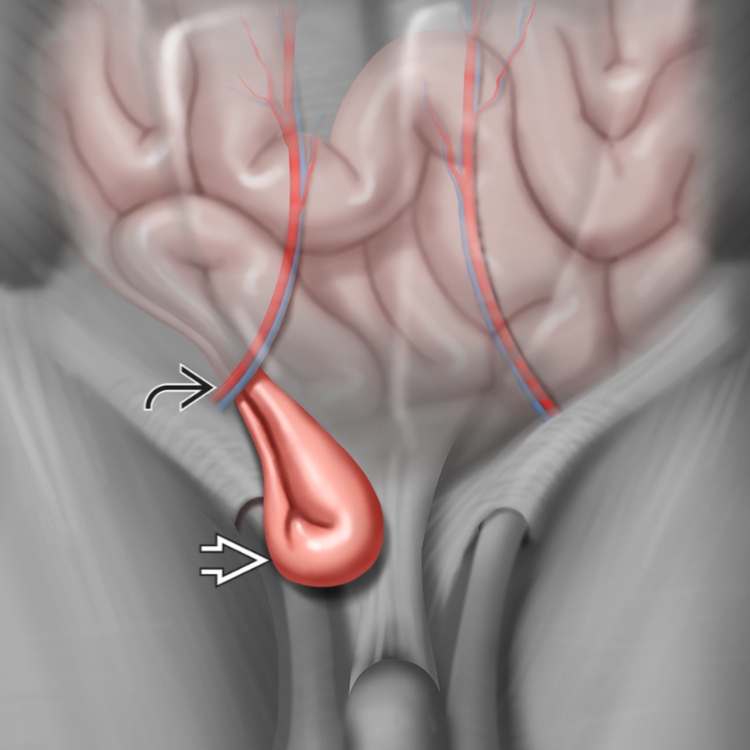
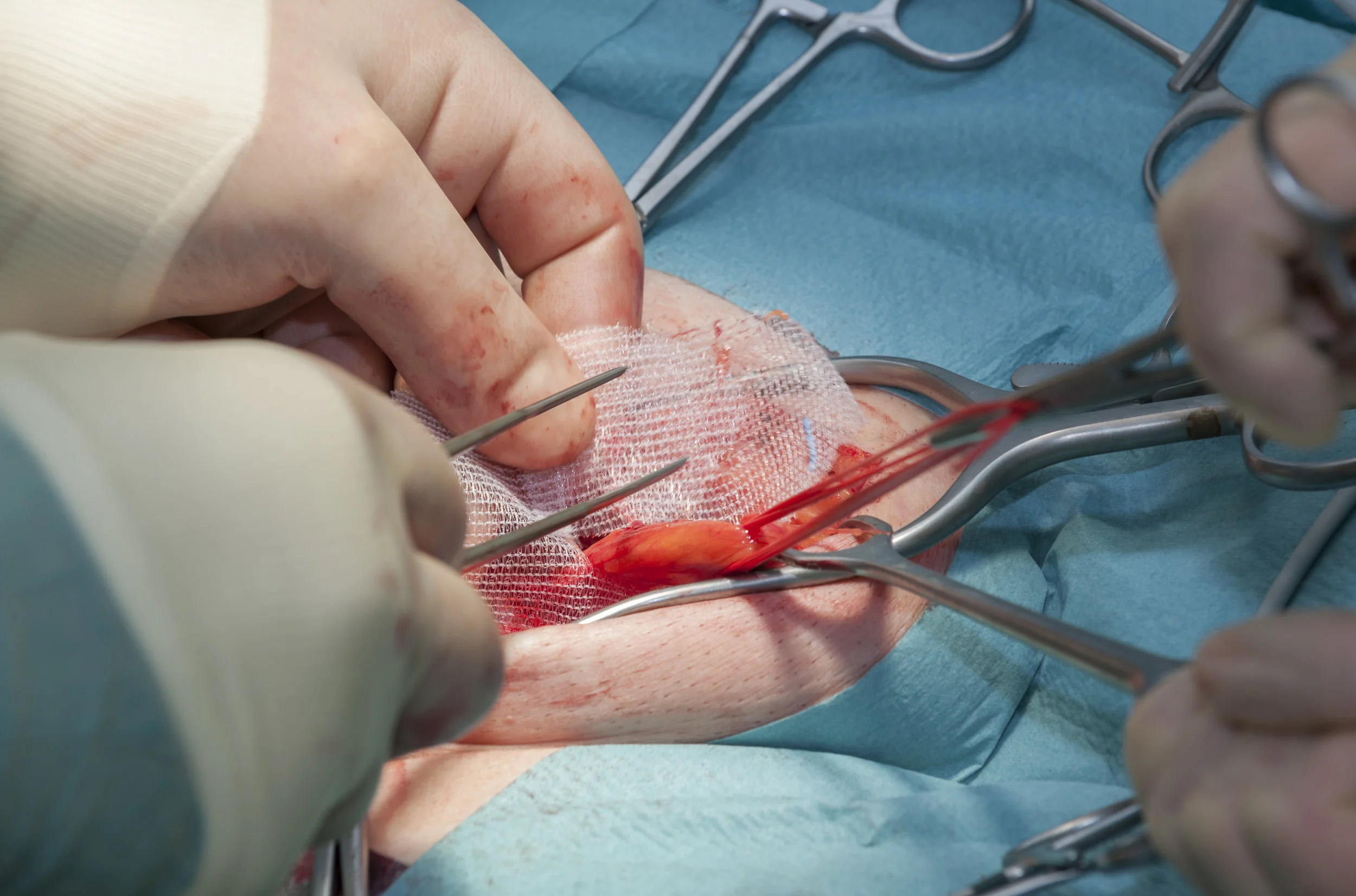
An inguinal hernia occurs when a portion of the intestine or abdominal tissue pushes through a weak area in the lower abdominal wall near the groin.
Groin hernias are more common in men but can also occur in women.
You may need medical evaluation if you experience:
Symptoms often become more noticeable with physical activity or prolonged standing.
Several factors can weaken the abdominal wall and increase the risk of hernia formation.
Ignoring a hernia can lead to serious complications and emergency surgery.
Early treatment allows safer surgery and quicker recovery.
Surgery is the only permanent treatment for an inguinal hernia. Modern minimally invasive techniques provide better recovery, less pain, and smaller scars.
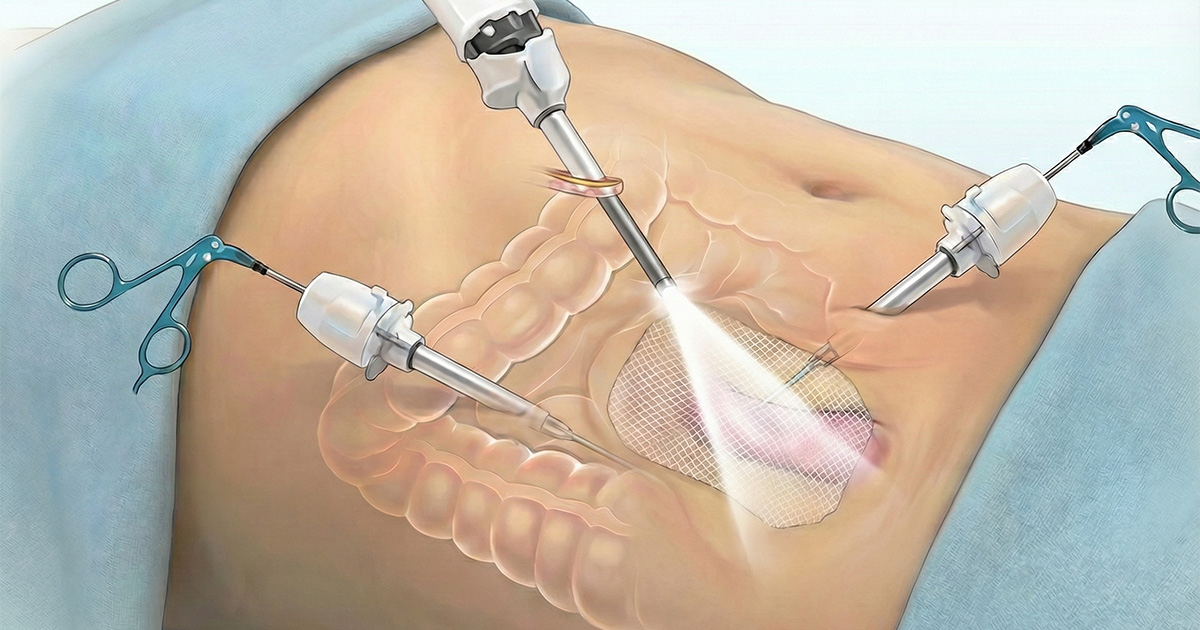
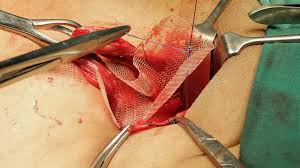
Laparoscopic hernia repair is a minimally invasive procedure performed using small incisions and mesh repair.
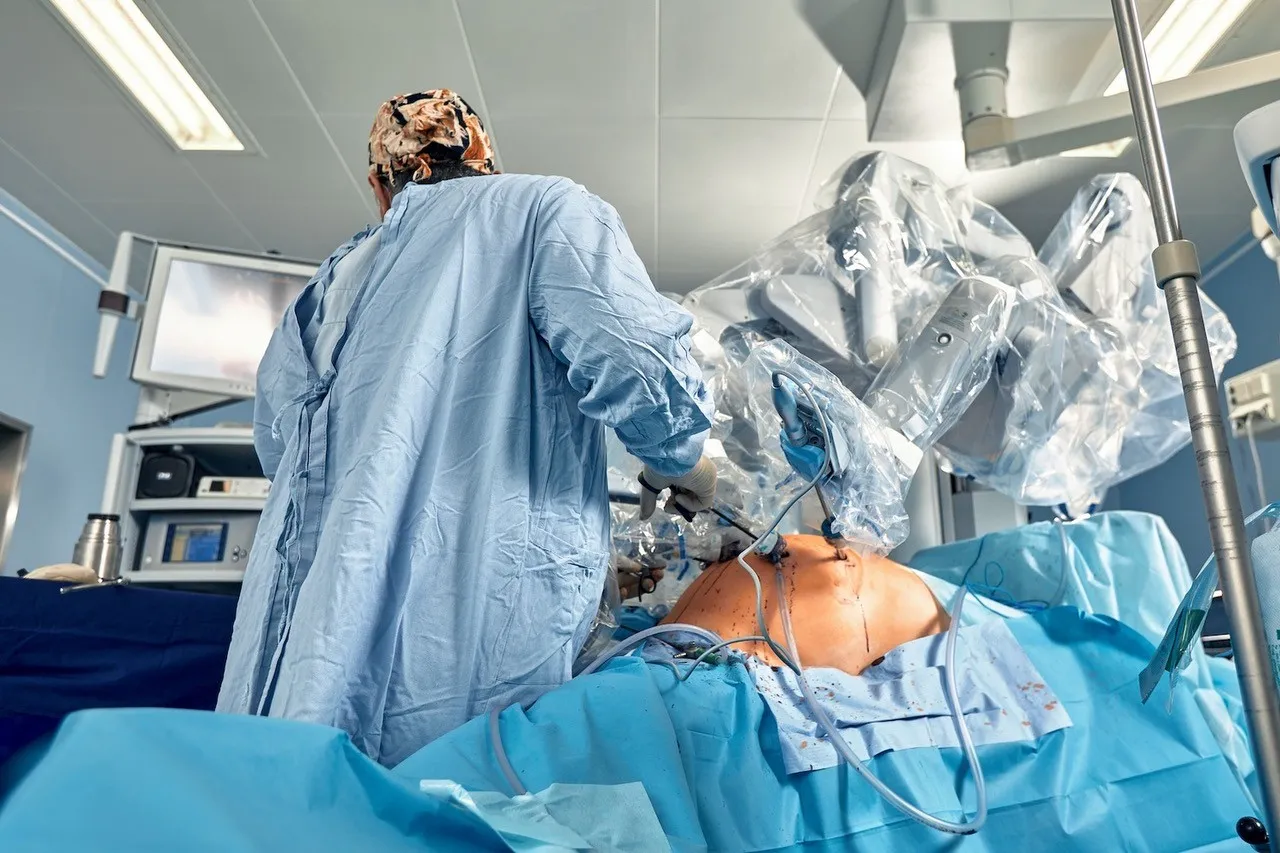
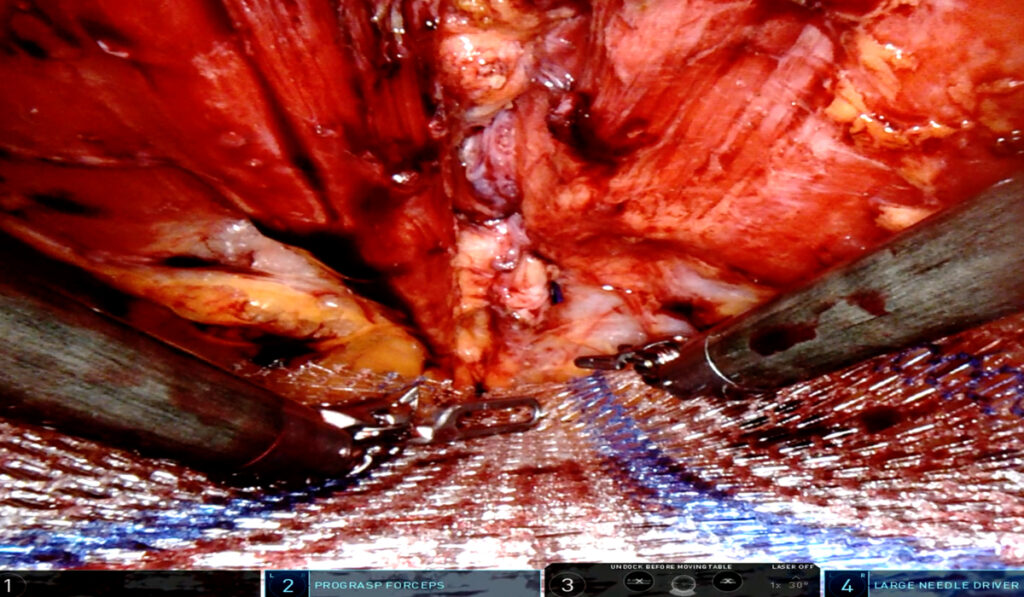
Robotic-assisted hernia surgery offers enhanced precision and high-definition visualization, especially useful in complex or recurrent hernias.
(TAPP – Transabdominal Preperitoneal Repair)
In this laparoscopic technique, mesh is placed from inside the abdominal cavity to strengthen the weak area.
TEP (Totally Extraperitoneal) and eTEP are advanced laparoscopic techniques performed without entering the abdominal cavity.
Open surgery may be advised in selected cases such as:
The ideal procedure depends on the patient’s condition and surgical evaluation.
Non-surgical methods may provide temporary relief but do not permanently cure a hernia.
Surgery remains the definitive treatment.
Early diagnosis helps prevent complications and allows planned minimally invasive treatment.
Dr. Nishant Kurian is a Consultant in the Department of Surgical Gastroenterology at PSRI Hospital, Saket, Delhi, with expertise in advanced laparoscopic and robotic gastrointestinal surgeries.
Modern laparoscopic and robotic hernia surgeries are associated with significantly less pain compared to traditional surgery.
Most patients return to light activities within a few days and resume normal routine within 1–2 weeks.
No. Hernias do not heal on their own and usually increase in size over time.
Both are advanced minimally invasive techniques. The ideal approach depends on the complexity of the hernia and patient condition.
Recurrence risk is low when surgery is performed by an experienced hernia surgeon using appropriate techniques and mesh repair
Experience advanced laparoscopic, robotic, and gastrointestinal surgical care with Dr. Nishant Kurian, focused on precision treatment, faster recovery, and better patient outcomes.
© 2026 www.drnishantkurian.com
This will close in 20 seconds
Demo Description
This will close in 0 seconds