Item #1

Banner Title

Lorem Ipsum is simply dumy text of the printing typesetting industry lorem ipsum.

Edit Template

Esophageal Cancer Treatment in Delhi

Symptoms, Diagnosis & Advanced Treatment Options by Dr. Nishant Kurian at PSRI Hospital, Saket

Esophageal cancer, also known as oesophageal cancer or food pipe cancer, develops in the lining of the esophagus, the hollow muscular tube that carries food from the throat to the stomach. It is one of the more serious gastrointestinal cancers and often requires timely diagnosis and specialized surgical treatment for the best outcomes.

Dr. Nishant Kurian, Consultant in the Department of Surgical Gastroenterology at PSRI Hospital, Saket, Delhi, offers patients comprehensive and evidence-based care for esophageal cancer using advanced laparoscopic and robotic surgical techniques.

What is Esophageal Cancer?

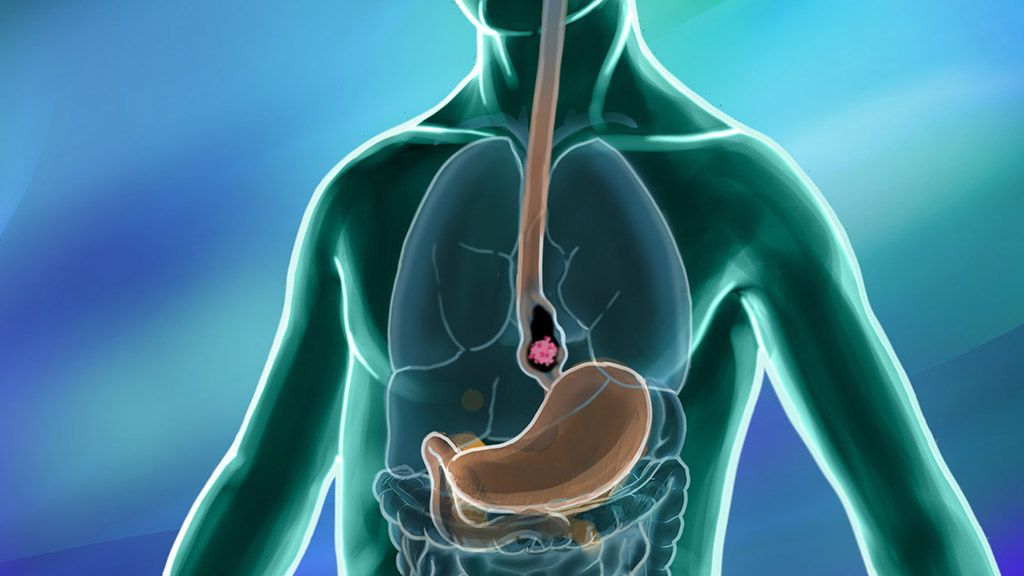
Esophageal cancer occurs when abnormal cells grow uncontrollably in the food pipe. The disease may develop anywhere along the esophagus and can gradually interfere with swallowing and digestion. It might be surprising to know that Esophageal Cancer is one of the most common causes behind death by cancer globally.

Symptoms of Esophageal Cancer

The symptoms of esophageal cancer may appear gradually and worsen over time. Common warning signs include:

Difficulty swallowing and progressive weight loss are among the most common symptoms seen in patients with oesophageal cancer.

Type of Esophageal Cancer

The two most common types include:

  • Squamous Cell Carcinoma: Usually develops in the upper or middle part of the esophagus and is commonly associated with smoking and tobacco consumption.
  • Adenocarcinoma: Often affects the lower esophagus and is linked with long-standing acid reflux (GERD), obesity, and Barrett’s esophagus (a precancerous condition).

Esophageal cancer is more common in men and is often diagnosed in later stages as early symptoms may be subtle.

Risk Factors for Oesophageal Cancer

Several lifestyle and medical conditions that cause long term chronic irritation to the mucous lining of esophagus can increase the risk of developing esophageal cancer, including:

Diagnosis of Esophageal Cancer

Early and accurate diagnosis plays a critical role in planning effective treatment.

Diagnostic investigations may include:
  • GI Endoscopy: A flexible camera is used to examine the esophagus and identify abnormal growths.
  • Biopsy: A tissue sample is taken during endoscopy to confirm the presence of cancer cells.
  • CT Scan / PET Scan: Imaging tests help determine the size of the tumor and whether the cancer has spread.
  • Endoscopic Ultrasound (EUS): Used for detailed staging and evaluation of nearby lymph nodes.

Treatment Options for Esophageal Cancer

Treatment depends on the stage of cancer, tumor location, and the patient’s overall health. A multidisciplinary approach often provides the best outcomes.

Surgery for Esophageal Cancer

Surgery remains one of the most effective treatment options for localized esophageal cancer. The procedure commonly performed is called an esophagectomy, where the cancerous part of the esophagus is removed and the digestive tract is reconstructed using another part of the gastrointestinal tract, mostly the stomach.

As an experienced esophagectomy specialist and GI cancer surgeon for esophagus, Dr. Nishant Kurian focuses on Advanced Minimally Invasive approaches that support faster recovery and reduced surgical trauma.
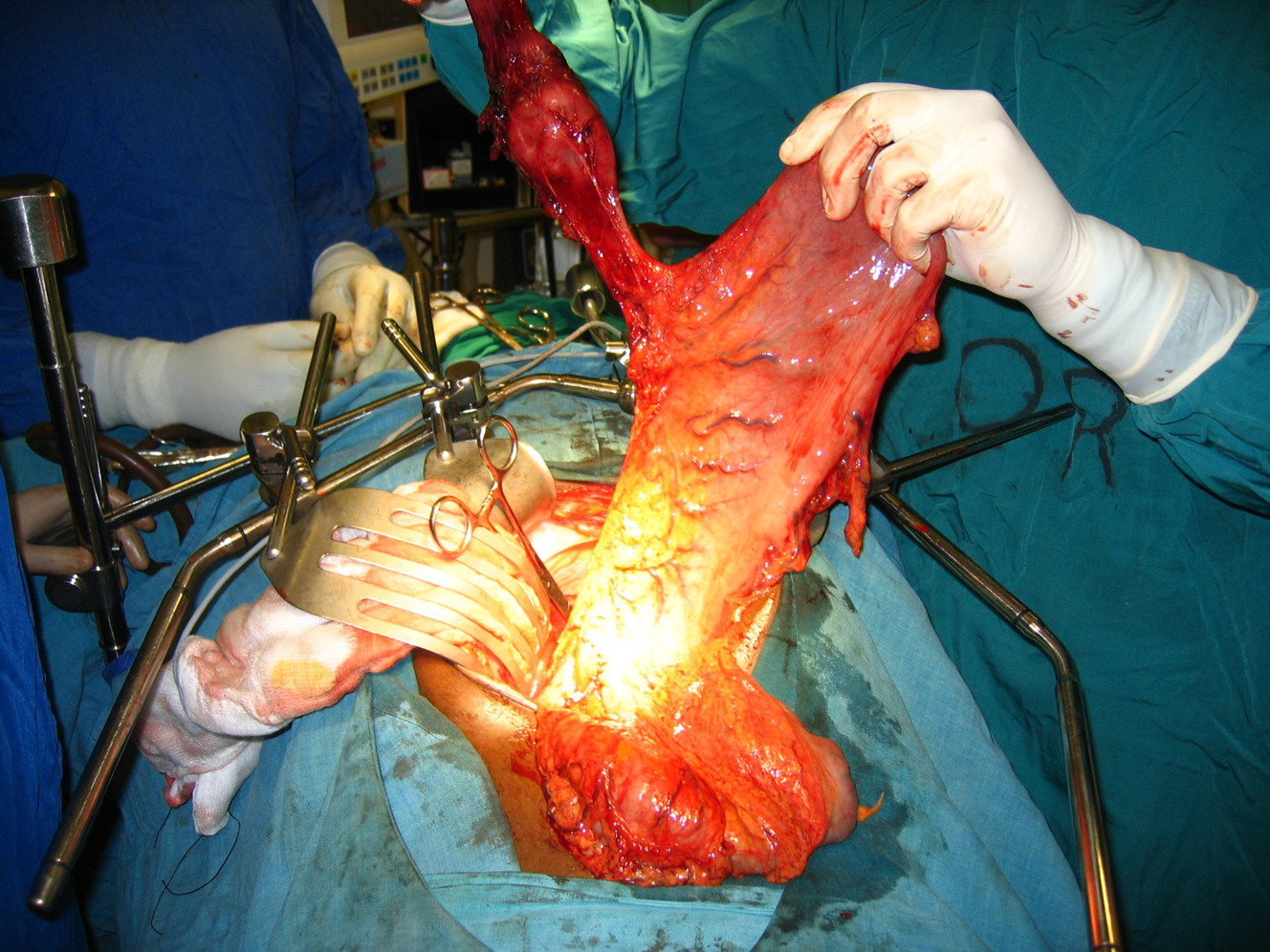
Laparoscopic Esophagectomy

Laparoscopic esophagectomy is a minimally invasive procedure performed using small incisions and specialized instruments. This procedure leads to faster recovery and reduced pain in comparison with conventional open surgery.

Benefits may include:
  • Smaller scars
  • Reduced postoperative pain
  • Faster recovery
  • Shorter hospital stay
  • Lower risk of complications
  • Early return to daily activities

Patients looking for an advanced laparoscopic esophageal surgeon in India or a minimally invasive esophagectomy expert may benefit from Dr. Nishant Kurian’s expertise in modern minimally invasive esophageal cancer surgery.

Robotic Esophagectomy

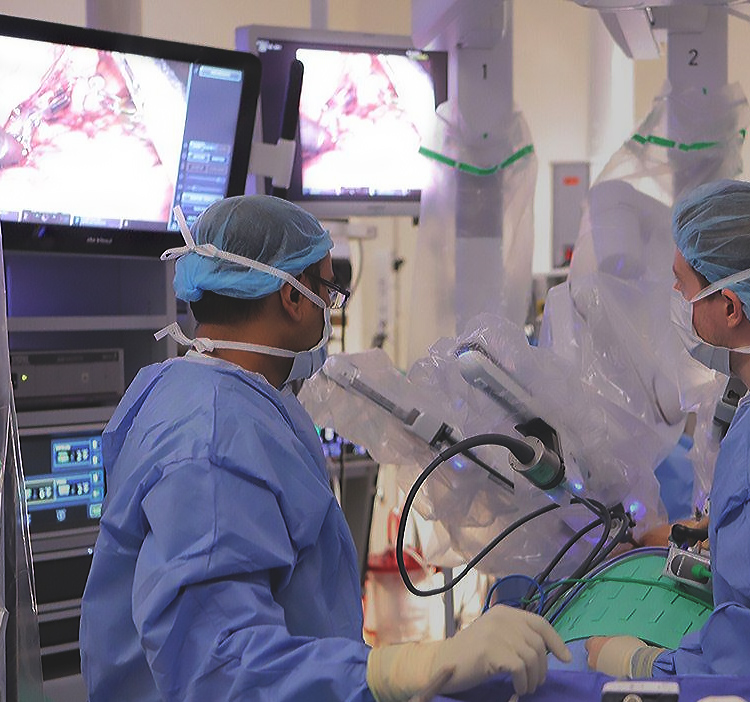
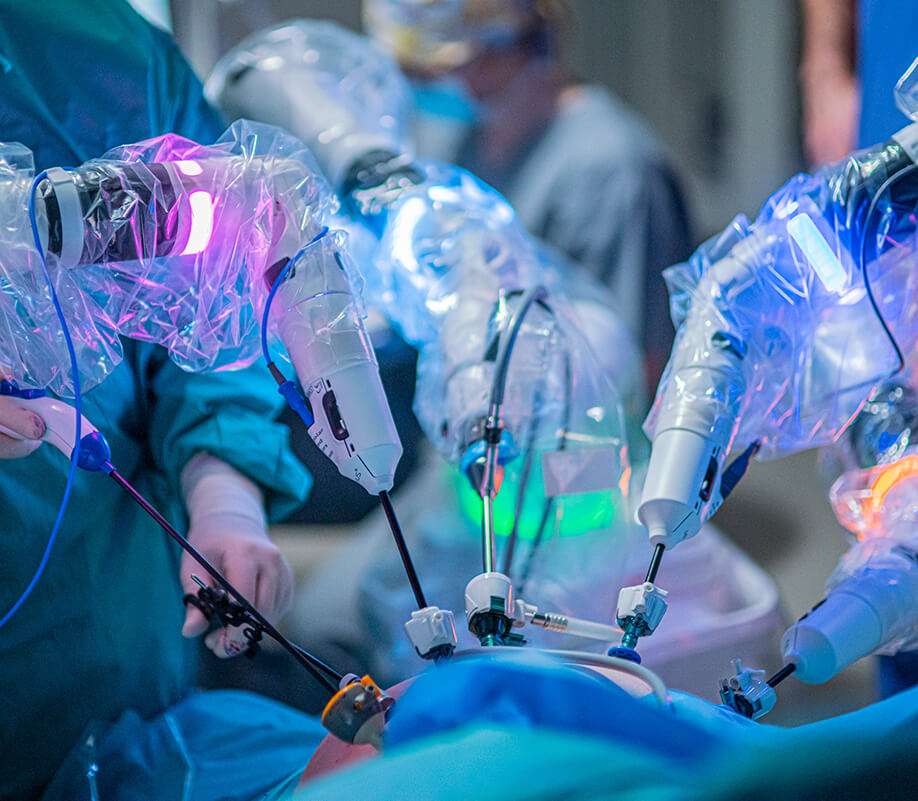
Robot-assisted esophageal cancer surgery offers enhanced precision, improved visualization, and greater surgical control during complex procedures.

As an experienced robotic esophageal surgeon in Delhi, Dr. Kurian uses advanced robotic techniques for carefully selected patients requiring this surgery.

Advantages of robotic esophagectomy include:
  • Greater surgical precision
  • Better preservation of surrounding structures
  • Enhanced lymph node dissection
  • Reduced blood loss
  • Faster recovery and mobilization

Robotic surgery has become an important advancement in modern gastrointestinal cancer care for suitable patients.

Chemotherapy & Radiation Therapy

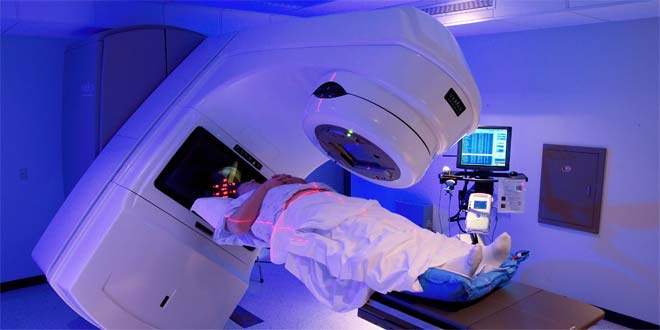
For advanced or locally spread cancers, chemotherapy and radiation therapy may be used:

  • Before surgery to shrink the tumor
  • After surgery to reduce recurrence risk
  • As part of combined cancer treatment protocols

Some patients may require multimodal treatment involving surgery, medical oncology, and radiation oncology together.

When Should You Consult a Specialist?

Persistent difficulty in swallowing , unexplained weight loss, or long-standing acid reflux should never be ignored. Early diagnosis significantly improves treatment outcomes in esophageal cancer.

Consulting an experienced esophageal cancer specialist at the right time can help patients access advanced treatment options with better long-term results.

Why Choose Dr. Nishant Kurian for Oesophageal Cancer Treatment?

Dr. Nishant Kurian is an experienced gastrointestinal and minimally invasive surgeon with expertise in complex GI cancer surgeries.

Patients seeking:

can benefit from a patient-focused approach that combines surgical precision with comprehensive cancer care.

Frequently Asked Questions

1

What are the common symptoms of esophageal cancer?

Difficulty swallowing, weight loss, acid reflux, chest discomfort, and persistent indigestion are some common symptoms of esophageal cancer.

2

What is an esophagectomy?

An esophagectomy is a surgery performed to remove the cancer-affected part of the esophagus and reconstruct the food passage.

3

Is robotic surgery available for esophageal cancer?

Yes, robotic esophagectomy is an advanced minimally invasive procedure that offers better precision, smaller incisions, and faster recovery.

4

What are the benefits of laparoscopic or robotic esophageal surgery?

These minimally invasive techniques may result in less pain, shorter hospital stay, smaller scars, and quicker recovery.

5

Who should consult an esophageal cancer specialist?

Patients with persistent swallowing difficulty, unexplained weight loss, chronic acidity, or chest discomfort should consult an experienced esophageal cancer specialist doctor.

6

Is esophageal cancer treatable if detected early?

Yes, early diagnosis and timely treatment significantly improve outcomes in oesophageal cancer treatment.

Don’t ignore persistent pain, digestive discomfort, or hernia-related symptoms

Experience advanced laparoscopic, robotic, and gastrointestinal surgical care with Dr. Nishant Kurian, focused on precision treatment, faster recovery, and better patient outcomes.

Book An Appointment

Advanced Onco, GI Laparoscopic and Robotic Surgery in Delhi

PSRI HOSPITAL, SHEIKH SARAI PHASE 2, SAKET, NEW DELHI

drnishantkurian85@gmail.com

+91-9220878969

© 2026 www.drnishantkurian.com


    This will close in 20 seconds

    Schedule Appointment


      This will close in 0 seconds

      Call Now Button