Lorem Ipsum is simply dumy text of the printing typesetting industry lorem ipsum.
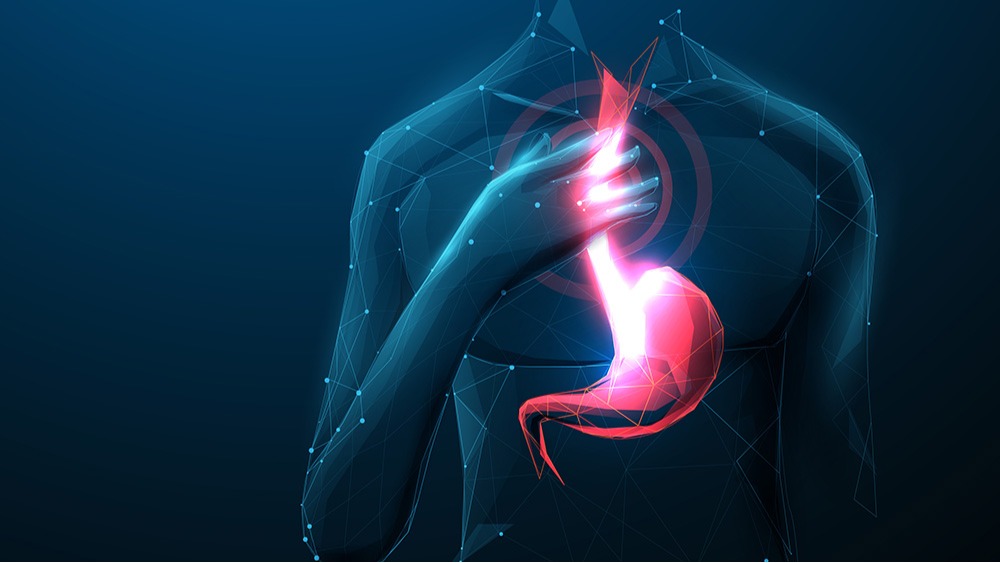
Heartburn that keeps returning is more than just “acidity.”
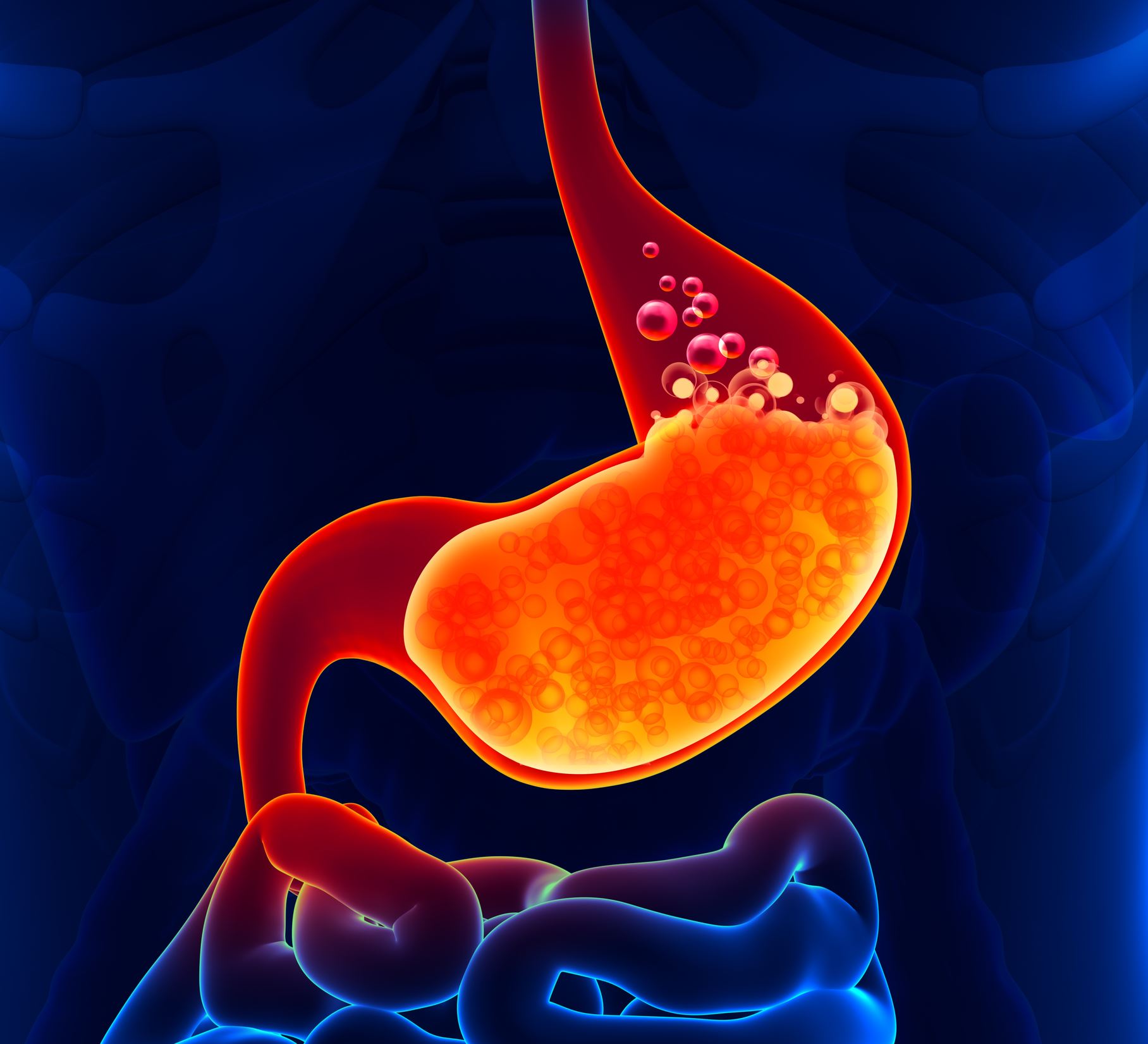
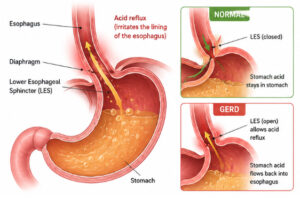
When acid from the stomach repeatedly flows back into the food pipe (esophagus), it can lead to irritation, inflammation, sleep disturbance, swallowing difficulty, and long-term complications. This condition is known as Gastroesophageal Reflux Disease (GERD).
In many patients, the root cause is a Hiatus Hernia, where a portion of the stomach moves upward through the diaphragm into the chest cavity. This weakens the natural anti-reflux barrier and allows acid to travel upward more easily.
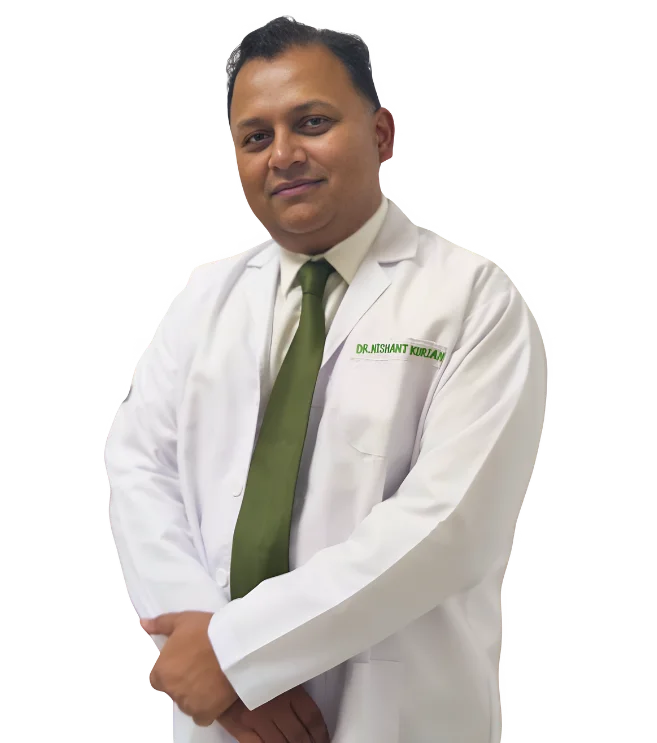
With Dr. Nishant Kurian, patients receive advanced evaluation and minimally invasive treatment for chronic acid reflux, GERD, and hiatal hernia conditions with a focus on long-term relief and improved quality of life.
Gastroesophageal Reflux Disease (GERD) occurs when stomach acid frequently flows back into the esophagus due to weakness of the lower esophageal sphincter (LES), the valve between the food pipe and stomach.
Chronic untreated reflux can damage the lining of the esophagus and may lead to complications such as ulcers, narrowing of the food pipe, Barrett’s esophagus, or even esophageal cancer in severe long-standing cases. Patients searching for GERD treatment, acid reflux specialist, or a doctor for chronic heartburn treatment often experience symptoms that persist despite medications and lifestyle changes.
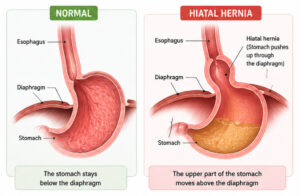
A Hiatus Hernia develops when the upper part of the stomach slips through the diaphragm into the thorax (chest cavity). The diaphragm normally helps support the anti-reflux mechanism. When a hiatal hernia is present, the protective barrier weakens, making acid reflux more frequent and severe.
Many patients searching for Hiatus hernia treatment or Hiatal hernia surgery are diagnosed with GERD associated with a hiatal hernia.
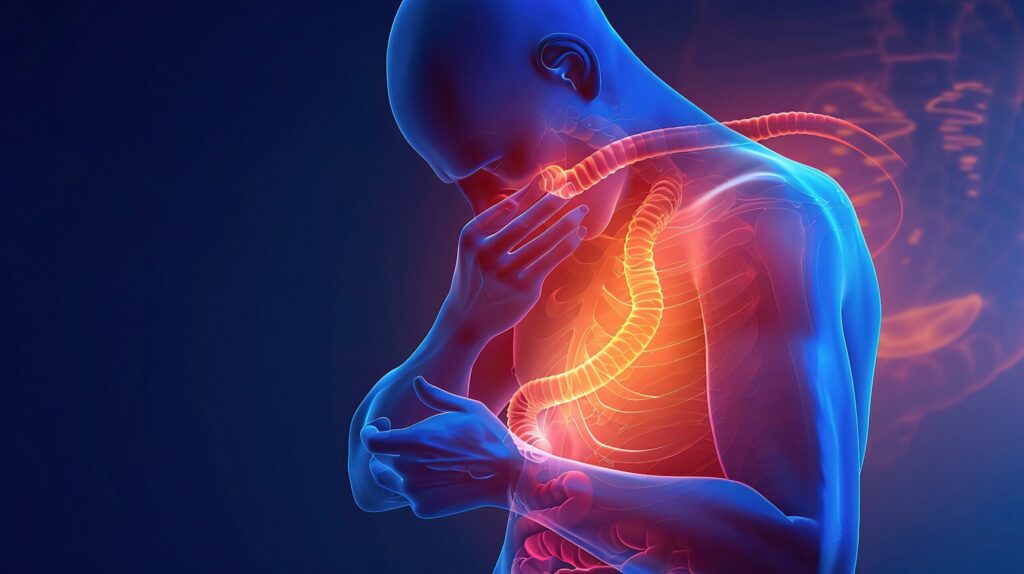
Symptoms may vary from mild discomfort to severe chronic reflux disease. Common symptoms include:
Patients with persistent reflux symptoms despite medications should consult Dr. Kurian, an experienced acid reflux specialist doctor in Delhi.
Several factors can contribute to GERD and hiatal hernia:
Accurate diagnosis is important before deciding the best GERD treatment plan. Investigations may include:
These tests help determine the required course of treatment, whether lifestyle changes, medicines, or surgery would provide the best long-term outcome.
Treatment depends on symptom severity, duration, response to medications and the presence of structural defects like hiatal hernia.
Acid-suppressing medicines such as antacids, H2 blockers, and proton pump inhibitors (PPIs) can help reduce symptoms temporarily.
However, many patients continue to experience recurrent reflux despite long-term medication use. Medicines control acid production but may not correct the underlying anatomical problem causing reflux.
For patients with severe reflux, persistent symptoms, large hiatal hernia, or long-term dependence on medications, surgery may offer lasting relief.
Dr. Nishant Kurian performs advanced minimally invasive procedures for GERD and hiatus hernia using laparoscopic and robotic techniques.
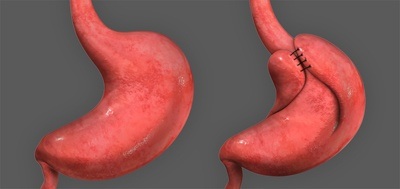
Laparoscopic Nissen Fundoplication is one of the most advanced and effective surgical treatments for chronic GERD and hiatal hernia.
In this minimally invasive procedure:
This helps prevent acid from flowing back into the esophagus and restores the natural barrier against reflux. Patients looking for laparoscopic GERD surgery often choose this procedure for durable symptom relief and improved quality of life.
Dr. Nishant Kurian is an advanced laparoscopic and GI surgeon with expertise in minimally invasive gastrointestinal procedures, including anti-reflux surgery and hiatal hernia repair. His approach focuses on precise diagnosis, individualized treatment planning, and enhanced recovery using modern laparoscopic and robotic surgical techniques.
Patients seeking GERD treatment, hiatus hernia treatment, or an acid reflux specialist doctor in Delhi can benefit from comprehensive evaluation and advanced surgical care.
You should seek specialist consultation if reflux symptoms persist despite medications, interfere with sleep or eating, or if you have a diagnosed hiatal hernia.
No. Occasional acidity is common, but GERD is a chronic condition where acid repeatedly flows back into the esophagus and may require long-term treatment.
Small hiatal hernias may sometimes be managed with medications and lifestyle modifications, but larger or symptomatic hernias often require surgical repair.
It is a minimally invasive anti-reflux surgery where the upper part of the stomach is wrapped around the lower esophagus to strengthen the valve and prevent acid reflux.
Laparoscopic fundoplication provides long-term symptom relief in most patients, especially when combined with lifestyle modifications.
Most patients recover quickly and return to normal routine activities within a few days to weeks depending on the procedure and individual recovery.
Experience advanced laparoscopic, robotic, and gastrointestinal surgical care with Dr. Nishant Kurian, focused on precision treatment, faster recovery, and better patient outcomes.
© 2026 www.drnishantkurian.com
This will close in 20 seconds
Demo Description
This will close in 0 seconds