Item #1

Banner Title

Lorem Ipsum is simply dumy text of the printing typesetting industry lorem ipsum.

Edit Template

Acid Poisoning & Oesophageal Stricture

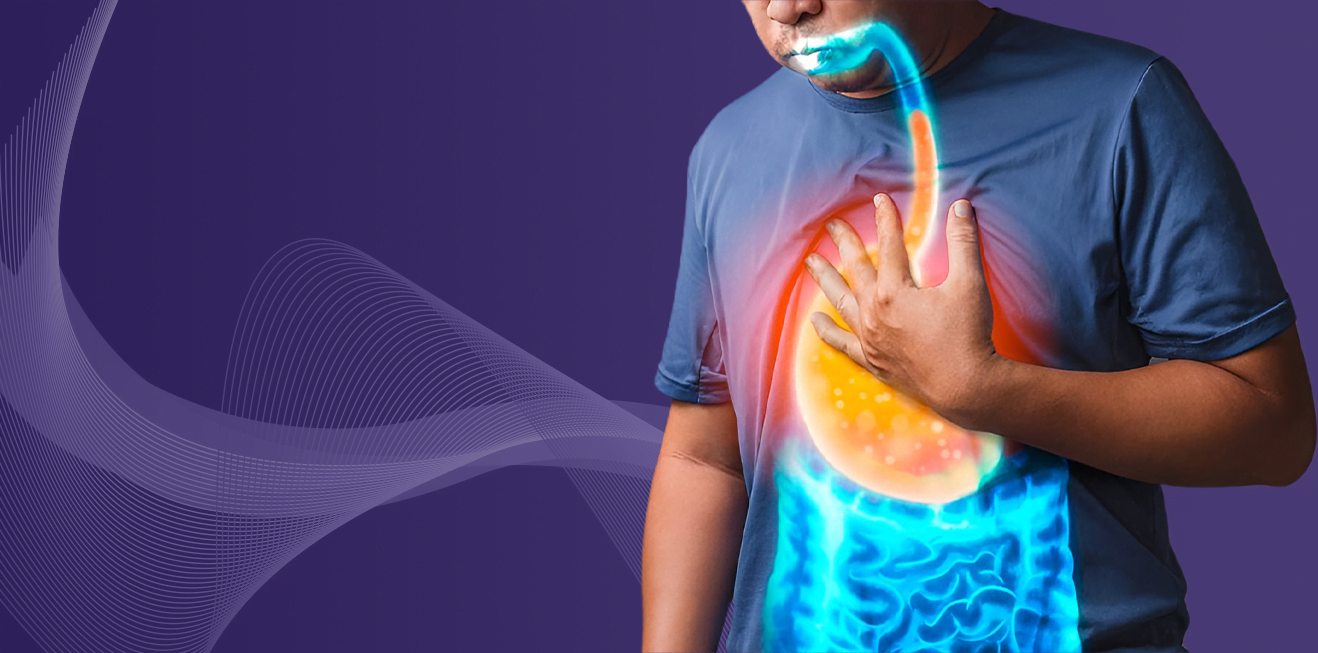
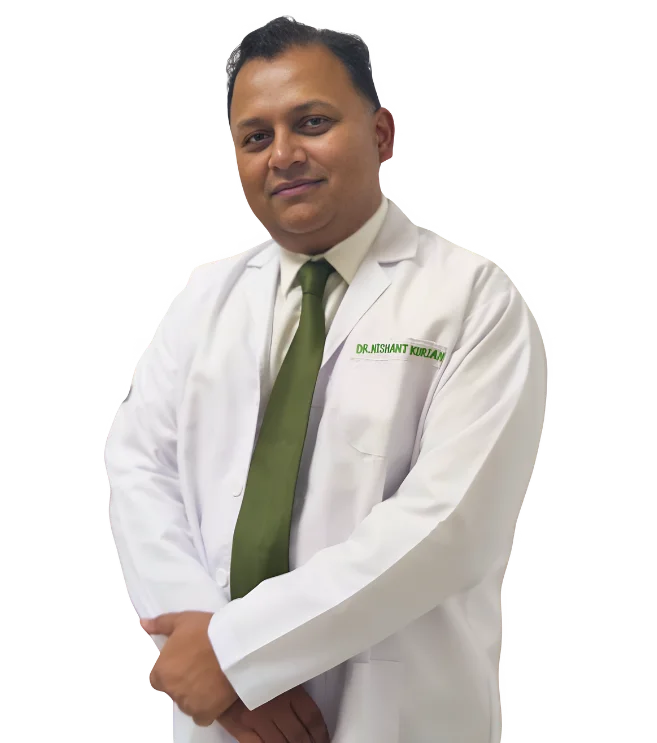
Dr. Nishant Kurian specialises in the diagnosis and advanced surgical management of complex esophageal disorders, including corrosive acid ingestion injuries and oesophageal strictures. Patients suffering from swallowing difficulty after acid ingestion often require highly specialised care, ranging from endoscopic treatment to complex reconstructive procedures such as Colonic pull-up surgery and Esophageal reconstruction surgery.

With expertise in advanced GI and minimally invasive surgery, Dr. Kurian offers comprehensive treatment for patients with severe corrosive injuries affecting the food pipe (esophagus).

Understanding Acid Ingestion Injury and Oesophageal Stricture

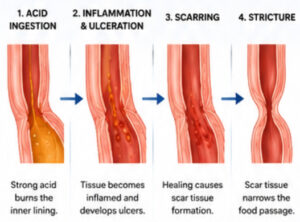
Accidental or intentional acid ingestion can cause severe damage to the food pipe (esophagus). The corrosive chemical burns the inner lining of the esophagus, leading to inflammation, ulceration, and eventually scarring. As the healing process occurs, the scar tissue contracts and narrows the food pipe, causing an oesophageal stricture.

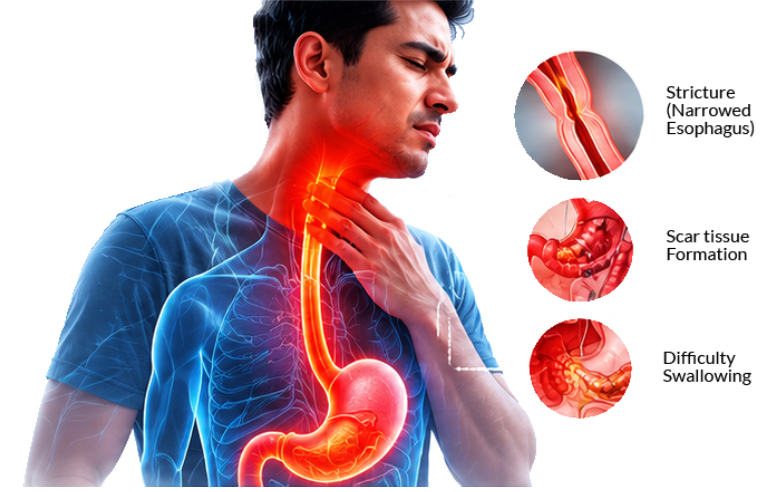
This narrowing can make swallowing painful and difficult, significantly affecting nutrition, hydration, and quality of life. In severe cases, patients may not even be able to swallow liquids or saliva comfortably.

Early diagnosis and expert management are essential because untreated strictures can progressively worsen over time. Advanced surgical reconstruction may be required in patients with extensive damage. For patients seeking specialised Oesophageal stricture treatment, Acid ingestion injury treatment, or Corrosive injury esophagus treatment, timely evaluation by an experienced GI and esophageal surgeon is crucial.
What Causes Corrosive Esophageal Injury?

Acid poisoning can occur due to:

Strong acids cause deep burns within the esophagus and stomach. While some injuries heal with medications and endoscopic treatment, severe burns may lead to permanent narrowing and extensive esophageal damage.

Symptoms of Oesophageal Stricture After Acid Poisoning

Symptoms may develop over time, sometimes gradually over weeks or months.

Common symptoms include:

Patients looking for Treatment for swallowing difficulty after acid ingestion often experience these symptoms for a prolonged period before diagnosis.

Diagnosis of Corrosive Esophageal Stricture

A detailed evaluation helps determine the extent of injury and the best treatment plan.

Investigations may include:
  • Upper GI Endoscopy: Used to assess the severity and length of the stricture.
  • Barium Swallow Study: An X-ray test that outlines the narrowing in the esophagus and helps plan treatment.
  • CT Scan: Helpful in assessing surrounding structures and severe corrosive injury.
  • Nutritional Assessment: Many patients with long-standing strictures require nutritional optimisation before treatment.
  • pH Monitoring: Measures the level of acidity in the oesophagus over a period of time. It can help diagnose acid reflux.

Treatment Options for Oesophageal Stricture

Treatment depends on the severity, length, and location of the stricture.

Endoscopic Dilatation:

In mild to moderate strictures, repeated endoscopic balloon dilatation may help widen the narrowed segment. Some patients require multiple sessions over time. However, very tight or long-segment strictures may not respond adequately to dilatation alone.

Feeding Support:

Patients with severe swallowing difficulty may require temporary feeding tubes to maintain nutrition before definitive treatment.

Medication:

In some cases, medications such as steroid injections may be administered at the site of the stricture to reduce inflammation and help minimise the chances of the narrowing recurring after dilatation procedures.

Surgery for Severe Esophageal Damage:

Patients with extensive corrosive injury may require advanced reconstructive surgery. This includes:

  • Corrosive esophageal stricture surgery
  • Esophageal reconstruction surgery
  • Esophagus replacement surgery
  • Stricture esophagus surgery

The goal is to restore swallowing and improve long-term quality of life.

Colonic Pull-Up Surgery for Severe Esophageal Damage

In patients where the native esophagus is severely damaged and unusable, Colonic pull-up surgery may be recommended by specialists. This is one of the most advanced forms of Esophageal reconstruction surgery performed for complex corrosive injuries.
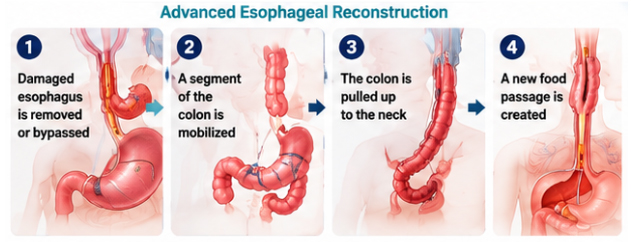
During the procedure:

  • The damaged esophagus is bypassed or removed
  • A segment of the colon is mobilised
  • The colon is used to create a new food passage connecting the throat to the stomach

This procedure is also referred to as: Colon interposition surgery, Esophagus replacement surgery, Colonic pull-up reconstruction.

Why the Colon?

  • Adequate length: The large bowel is long enough to span the gap between the throat and the stomach.
  • Acid resistance: It handles stomach acid reflux much better than other surgical substitutes.
  • Durability: It functions as a durable, long-term conduit for eating and swallowing.

A successful colonic pull-up allows patients to swallow food again and regain nutrition and quality of life.Because of the complexity involved, patients should seek treatment from a Colonic pull-up surgery specialist and an Advanced esophageal surgery specialist experienced in complex GI reconstruction.
Recovery After Esophageal Reconstruction Surgery

Recovery depends on the severity of the disease and the procedure performed.

Postoperative care focuses on:
  • Nutritional rehabilitation
  • Gradual return to oral intake
  • Monitoring for leaks or strictures
  • Long-term swallowing improvement
  • Pulmonary rehabilitation when needed

With expert surgical care and structured follow-up, many patients achieve significant improvement in swallowing and daily functioning.

When Should You Consult a Specialist?

Seek immediate medical evaluation if you experience:
  • Persistent difficulty swallowing
  • Inability to eat properly after acid ingestion
  • Significant weight loss
  • Recurrent vomiting or regurgitation
  • Chest discomfort while swallowing
  • Chronic heartburn or acid reflux

Early intervention improves outcomes and may help prevent progression to severe strictures requiring major reconstruction. For advanced Severe esophageal damage treatment, consultation with an experienced esophageal reconstruction surgeon is essential.

Why Choose Dr. Nishant Kurian for Esophageal Reconstruction?

Dr. Nishant Kurian is an experienced GI and minimally invasive surgeon with expertise in managing complex upper gastrointestinal and esophageal conditions. His approach combines advanced surgical techniques with comprehensive patient-centred care.

Patients looking for:

can benefit from specialised evaluation and treatment planning tailored to the severity of their condition.

Complex procedures such as Colonic pull-up surgery, reconstructive esophageal surgery, and management of severe corrosive injuries require multidisciplinary expertise and meticulous postoperative care.

Frequently Asked Questions

1

What is an oesophageal stricture?

An oesophageal stricture is a narrowing of the food pipe caused by scarring after acid or corrosive injury.

2

What are the symptoms of corrosive esophageal stricture?

Common symptoms include difficulty swallowing, food getting stuck, regurgitation, weight loss, and pain while swallowing.

3

Can oesophageal strictures be treated without surgery?

Yes. Mild strictures may improve with endoscopic dilatation procedures. Severe cases may require surgery.

4

What is Colonic Pull-Up Surgery?

It is an advanced surgery where a part of the colon is used to replace or bypass the damaged esophagus.

5

Who needs esophageal reconstruction surgery?

Patients with severe esophageal damage or long-segment strictures that cannot be treated with dilatation may require reconstruction surgery.

6

How long does recovery take after esophageal reconstruction surgery?

Recovery usually takes several weeks and includes nutritional rehabilitation and gradual return to oral intake.

7

Why choose Dr. Nishant Kurian for oesophageal stricture treatment?

Dr. Nishant Kurian specialises in advanced GI and esophageal reconstruction surgery, including complex colonic pull-up procedures for corrosive injuries.

Don’t ignore persistent pain, digestive discomfort, or hernia-related symptoms

Experience advanced laparoscopic, robotic, and gastrointestinal surgical care with Dr. Nishant Kurian, focused on precision treatment, faster recovery, and better patient outcomes.

Book An Appointment

Advanced Onco, GI Laparoscopic and Robotic Surgery in Delhi

PSRI HOSPITAL, SHEIKH SARAI PHASE 2, SAKET, NEW DELHI

drnishantkurian85@gmail.com

+91-9220878969

© 2026 www.drnishantkurian.com


    This will close in 20 seconds

    Schedule Appointment


      This will close in 0 seconds

      Call Now Button