Understand your liver condition, symptoms, causes and advanced treatment options.
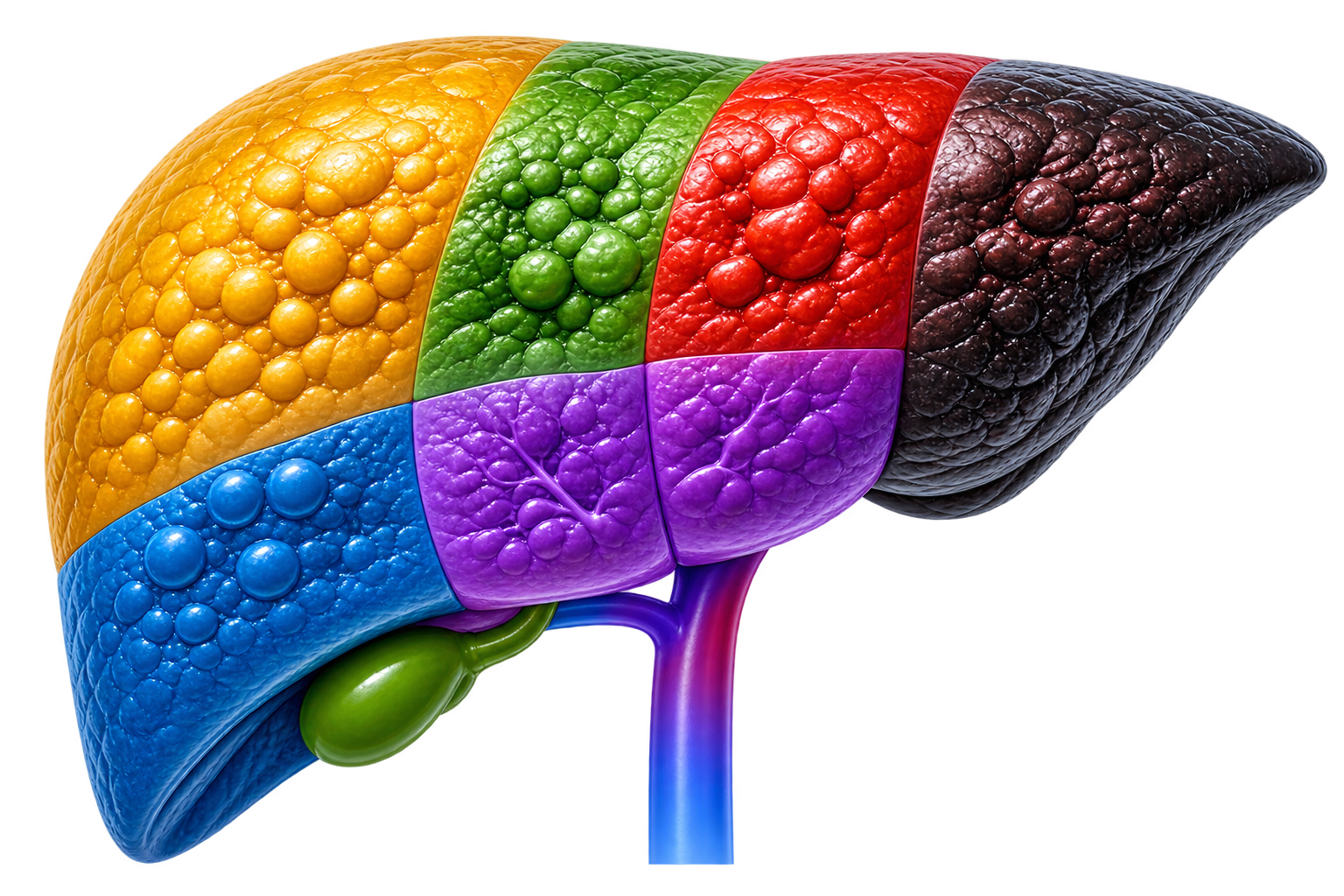
Excess fat build-up in the liver can lead to inflammation and serious complications.
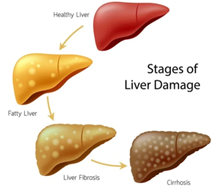
Scarring of the liver tissue due to long-term damage and inflammation.
Liver cancer develops when abnormal liver cells grow uncontrollably and may require carefully planned surgical, interventional, or multidisciplinary treatment.
Cirrhosis is advanced liver scarring caused by long-term liver damage, which can gradually impair liver function and lead to serious complications.
Hepatitis is inflammation of the liver that may result from viral infections, autoimmune conditions, medications, or other causes affecting liver health.
Autoimmune hepatitis is a disease where your immune system attacks your own healthy liver cells, leading to inflammation and potential liver damage.
Liver failure occurs when the liver can no longer perform essential functions, requiring urgent assessment, supportive treatment, and sometimes transplantation.
Gallbladder cancer is a rare and aggressive malignancy that originates in the inner glandular cells of the gallbladder.
Fatty liver occurs when excess fat builds up in the liver, often linked to metabolic health, lifestyle factors (Alcohol), and other underlying conditions.
Bile duct cancer (cholangiocarcinoma) develops in the ducts carrying bile from the liver and may require complex surgery, reconstruction, or cancer-directed treatment.

Not sure which condition applies to you?
Our experts can help you identify the issue and guide you.
Minimally invasive liver surgery for faster recovery and comfort.

Liver transplantation using a healthy liver segment from a donor.
Transplantation using a donated liver from a deceased donor.

Advanced treatments for selected liver tumors without surgery.

Comprehensive assessment to determine suitability for liver transplantation.
Liver Transplant & GI Surgeon | MBBS, MS, DNB (Surgical Gastroenterology)
The Liver, a silent but crucial organ, is often ignored until its problems become evident. This vital organ filters blood, metabolizes drugs, and produces essential proteins. When it malfunctions, it can lead to a cascade of health problems.
Liver diseases cover a broad spectrum, from chronic conditions like hepatitis B and C to acute ones like fulminant Hepatic Failure (FHF). Some individuals might battle metabolic liver diseases, while others face the daunting challenge of liver tumors. In advanced stages, these conditions can progress to decompensated chronic liver disease (CLD) and acute liver failure where the liver’s function deteriorates significantly.
For those with end-stage liver disease, liver transplantation (LT) stands as a beacon of hope for patients suffering from various liver diseases. This complex surgical procedure involves replacing a dysfunctional liver with a healthy one from a deceased donor. It’s a delicate balance of medical expertise and technological prowess.
However, LT is not without its challenges. Transplant immunology plays a crucial role. The body’s immune system is designed to protect us from foreign invaders, including transplanted organs. To prevent rejection, patients undergo immunosuppression therapy, a delicate dance to suppress the immune system without leaving them vulnerable to infections.
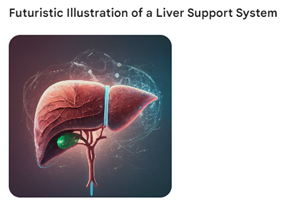
While LT remains a cornerstone of treatment, advancements in liver support systems are offering alternative approaches. These systems provide temporary support to the failing liver, buying precious time until a suitable donor is found or allowing the liver to potentially recover.
Despite these strides, the demand for liver transplants far exceeds the supply of donor organs. This underscores the urgent need for increased organ donation awareness and the development of artificial liver technologies.
In conclusion, the journey of a patient with liver disease can be fraught with challenges. From the insidious onset of chronic conditions to the life-threatening complexities of acute liver failure, the liver’s role in maintaining overall health cannot be overstated. While LT offers a lifeline for many, ongoing research and improved access to care are essential to conquer the complexities of liver diseases.
Understand your liver condition, symptoms, causes and advanced treatment options.
Excess fat build-up in the liver can lead to inflammation and serious complications.
Scarring of the liver tissue due to long-term damage and inflammation.
Liver cancer develops when abnormal liver cells grow uncontrollably and may require carefully planned surgical, interventional, or multidisciplinary treatment.
Cirrhosis is advanced liver scarring caused by long-term liver damage, which can gradually impair liver function and lead to serious complications.
Hepatitis is inflammation of the liver that may result from viral infections, autoimmune conditions, medications, or other causes affecting liver health.
Autoimmune hepatitis is a disease where your immune system attacks your own healthy liver cells, leading to inflammation and potential liver damage.
Liver failure occurs when the liver can no longer perform essential functions, requiring urgent assessment, supportive treatment, and sometimes transplantation.
Gallbladder cancer is a rare and aggressive malignancy that originates in the inner glandular cells of the gallbladder.
Fatty liver occurs when excess fat builds up in the liver, often linked to metabolic health, lifestyle factors (Alcohol), and other underlying conditions.
Bile duct cancer (cholangiocarcinoma) develops in the ducts carrying bile from the liver and may require complex surgery, reconstruction, or cancer-directed treatment.
Not sure which condition applies to you?
Our experts can help you identify the issue and guide you.